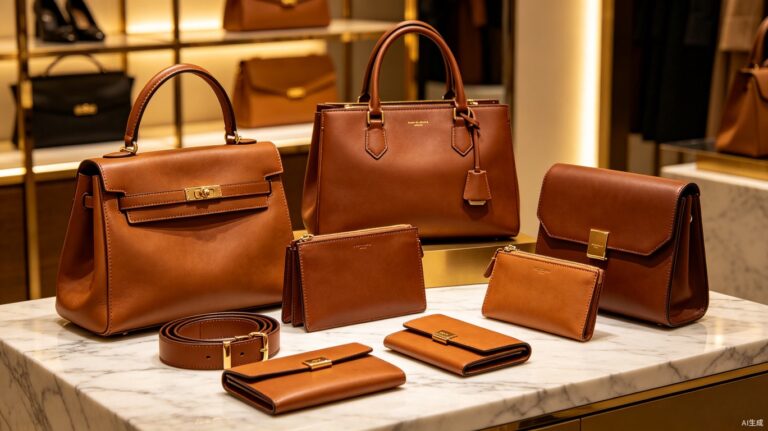
Two quotes sit on my desk for the same 400-seat hotel ballroom program. The first quotes every chair in full-grain hide. The second quotes every chair in polyurethane-coated fabric. The material lines differ by a factor of three to ten, depending on grade. The chairs are identical. The decision is not which material is better. It is which surfaces earn which material, because the honest answer splits the order.
Faux leather compared to real leather is not a ranking with one winner. It is a comparison matrix with two different cost stories, two different care contracts, and two different failure modes. This article runs the comparison the way a spec desk needs it: the matrix first, then the money math, then the program analysis, and finally a verdict table you can put in front of a finance committee.

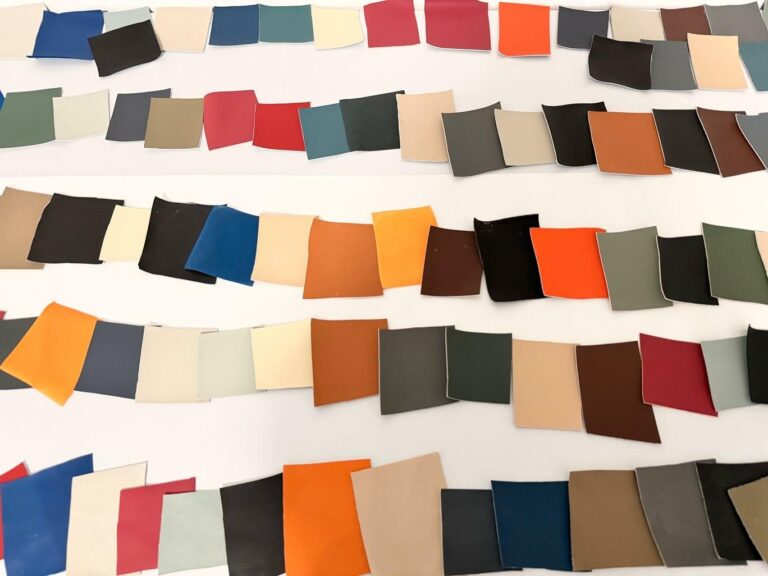
Every comparison starts the same way: two swatch stacks, one budget, and a program that needs a verdict.
The Comparison Matrix: Seven Dimensions That Move Money
Buyer guides list dozens of differences. Most of them do not change an order. These seven do, because each one lands on a budget line or a care contract.
| Dimension | Faux leather | Real leather | What it means for the order |
|---|---|---|---|
| Upfront price | One third to one half of hide cost | High-end cuts run five to ten times synthetic | Capex programs lean faux; investment programs lean hide |
| Service years | 2–5 years typical; care cannot extend it to ten | 10–20+ years with conditioning | Write the replacement year into the budget now |
| Failure mode | Coating cracks, peels, delaminates; unrepairable | Wears into character at stress points | One failure is a write-off; the other is a patina |
| Care contract | Wipe-down with a damp cloth | Conditioning every 3–6 months, humidity-controlled storage | Hide adds a recurring labor line faux never has |
| Breathability | Traps heat and moisture; clammy in warm rooms | Porous; adapts to body and room temperature | Long-contact seating pays the breathability premium |
| Cleaning regime | Damp cloth, immediate, housekeeping-friendly | Spot clean; professional cleaning for deep stains | Wipe-down venues favor faux operationally |
| Stress points | Seams and bends crack; damage accelerates once started | Arms, elbows, corners develop visible character | High-touch zones are where the materials diverge hardest |
One row deserves a warning before the money section. The wipe-down convenience of faux is real, but it is not maintenance in the way buyers assume. Industry guides are blunt on this point: no amount of care prevents the eventual cracking, because the polymer ages regardless. You are not maintaining the material. You are waiting for its chemistry.

One program, one palette: volume orders are where the price band gap compounds.
The Money Math Nobody Runs: Cost per Service Year
Purchase price per unit is the number buyers see. Cost per service year is the number finance should demand. The arithmetic is unglamorous and decisive. A 300-dollar genuine leather jacket worn for fifteen years costs twenty dollars a year. A 75-dollar faux jacket lasting three years costs twenty-five dollars a year, and matching the genuine jacket’s life needs five replacements. The cheaper ticket costs more per year and five times the logistics.
The pattern repeats on smaller lines. A 200-dollar hide belt that serves fifteen years underbids three 40-dollar faux belts bought across the same period. Run the same model on 400 chairs and the budgeting question changes shape: faux leather is not a one-time saving. It is a scheduled replacement liability, and the year count belongs in the same spreadsheet as the purchase order. The faux leather life expectancy notes in this series map those replacement years by material family, so the liability lands in the right fiscal quarter.
The ripples compound beyond the material line. Every replacement is a purchase order, a freight event, a receiving inspection, and a disposal. Five replacement cycles on a 400-seat program mean five of each, plus the venue downtime between them. Finance sees none of this on the original quote. It sees all of it at year three, when the first cycle lands. A spec desk that writes the cadence into the budget keeps the program honest. One that does not simply moves the cost into a different year and calls it a saving.
Where Each One Wins: The Program Analysis
Faux wins programs with hard price caps, fast trend cycles, and wipe-down cleaning regimes. Its price stability across a season beats hide, whose cost swings with quality and global demand. Its cleaning story suits venues where housekeeping works in minutes, not conditioning schedules. And on mixed furniture, faux is the honest answer for the surfaces nobody touches: sides, backs, and deck panels that will never carry body weight or sweat.
Real leather wins programs built around long service, skin contact, and appearance that must improve rather than merely survive. It resists punctures and tearing structurally. It breathes, so it stays comfortable through long meetings and warm climates. It breaks in rather than out, molding to users and aging into patina that reads as luxury rather than wear. The price of those wins is a care contract: conditioning every three to six months and storage away from heat and humidity, year after year.
Two comfort behaviors decide the warm-climate verdicts. Real hide regulates temperature. It adapts to body heat and ambient conditions, staying comfortable across seasons. A coated surface reads clammy in summer heat and cold in winter. Real hide also breaks in personally. New hide feels stiff, then molds to its users and its wear patterns over months, a fit no coating reproduces. Faux keeps its factory hand forever or loosens unpredictably, which is either a strength or a defect depending on how long the program runs.
Most programs that end in disputes skipped one habit: verifying what actually arrived matches what the matrix assumed. The dock tests in this series settle that in two minutes, before the invoice is paid. And a growing share of spec desks now run a third column next to both materials, because aging chemistry is the weakness of the faux side. The silicone leather introduction covers that third option without the hydrolysis clock.

Side by side on the desk, the comparison ends in a handshake, not a knockout.
The Verdict Table: Six Programs, Two Winners
Six common programs, six verdicts, and the caveat that keeps each verdict honest.
| Program | Verdict | Why | The caveat |
|---|---|---|---|
| Hotel ballroom seating | Split the order | Hide on touch surfaces, faux on backs and decks | Split orders need honest labeling per panel |
| Restaurant booths | Faux | Grease, spills, and wipe-down speed rule the venue | Budget the replacement cycle at 2–5 years |
| Family sofa, kids and pets | Faux | Damp-cloth cleanup survives juice and muddy paws | Buy it as consumable seating, not heirloom |
| Executive lounge chair | Real | Long contact rewards breathability; patina reads as status | The conditioning contract is part of the price |
| Seasonal fashion outerwear | Faux | Trend churn and price points beat service years | Price it for one or two seasons, honestly |
| Daily-carry bag line | Real | Corners and bends crack on faux; hide wears into character | The belt math applies: cheaper tickets cost more per year |
About TOPSUN
TOPSUN manufactures the faux column of this comparison: PU, PVC, and silicone-coated fabrics for seating, furniture, and bag programs. We do not sell hide, and we say so on every quote.
When a split order is the right call, we spec our coated fabrics for the backs and decks and tell you which touch surfaces should carry hide instead. Every quote states coating family, base fabric, and test data, so the verdict table survives the audit.
Faux leather compared to real leather ends where it started: two quotes, one program, and a decision that belongs to the surfaces, not the slogans. Split the order honestly, budget the replacement years, and the comparison stops being a debate and starts being a spec line.
Talk to Our Procurement Desk
Request Scenario Swatch Packs
References
1. https://rustichide.com/genuine-leather-vs-faux-… — Cost-per-year arithmetic (USD 300 jacket at 15 years vs USD 75 faux at 3 years; belt comparison); care regimes (conditioning every 3–6 months vs wipe-downs); 2–5 year faux ceiling
2. https://www.honryapparel.com/pu-leather-vs-genu… — Price ratios (synthetic one third to one half of hide; high-end cuts 5–10x); lifespan bands (2–5 vs 10–20+ years); aging contrast (peel and delamination vs patina)