Algae leather fabric is the material the sustainability world can’t stop talking about. Grown without fresh water, without fertilizer, without arable land — and it sequesters CO2 as it grows. On paper, it’s the carbon-negative leather alternative the fashion and furniture industries have been waiting for. But when B2B procurement teams try to specify it for production runs, a different picture emerges. Water absorption that sabotages durability. Mechanical properties that miss commercial thresholds. Supply chains that can’t deliver beyond pilot quantities. The algae leather fabric story is real — but it’s not ready for your PO. Here are the four gaps every sourcing team needs to understand before betting on it.
Explore Eco-Friendly Silicone Leather
The Sustainability Case for Algae Leather Fabric
Let’s give credit where it’s due. The algae leather fabric sustainability carbon footprint argument is genuinely compelling. Algae grows up to two feet per day in some species, requires no agricultural land, and absorbs carbon dioxide during cultivation. When processed into a biopolymer and combined with cellulose or other bio-based components, the resulting material can reduce carbon emissions by 80% or more compared to petroleum-based PU leather. That’s not greenwashing — it’s measurable.
Companies like Algaeskin and research programs at Aalto University have demonstrated that algae-based materials can pass initial biobased-content certifications and even meet some luxury brand material standards. The 80% microalgae biomass formulation available through select suppliers represents a genuine advance in bio-based material science. But sustainability metrics are only one column in a B2B spec sheet. A material that’s carbon-negative but water-soluble isn’t a viable upholstery option.

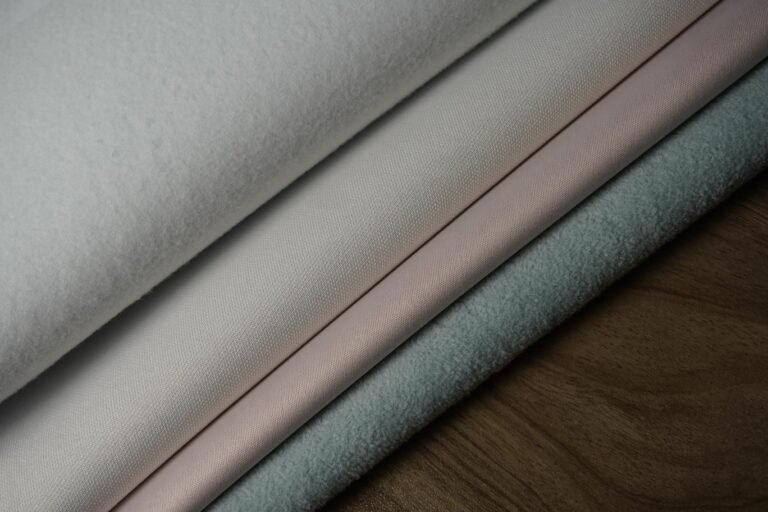
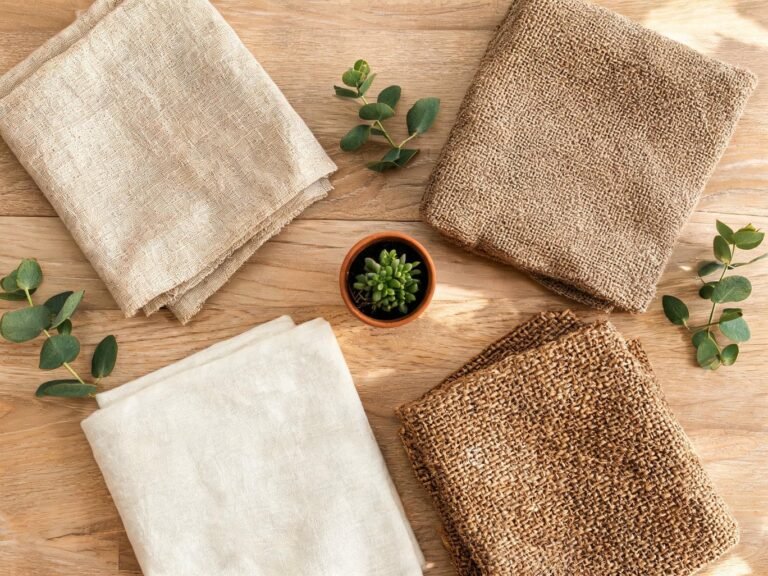
Raw material lifecycle comparison — bio-based inputs look compelling on the sustainability wall, but performance data tells a different story
The Water Absorption Problem No One Talks About
Here’s the catch that sustainability press releases skip. The cellulose and biopolymer matrices that give algae leather its structure are inherently hydrophilic. Research published in peer-reviewed materials science journals confirms that bio-based leather alternatives — including kombucha cellulose, mushroom mycelium, and algae-based formulations — absorb significantly more water than synthetic alternatives. In the algae leather fabric limitations water resistance testing we’ve reviewed, some bio-based samples absorbed 200-300% of their weight in water within 24 hours of immersion.
That’s a non-starter for upholstery. A restaurant booth that absorbs spill moisture through its covering material isn’t just a cleaning problem — it’s a hygiene and structural integrity problem. The absorbed water breeds bacteria, warps the material’s surface, and breaks down the biopolymer matrix that holds the algae fibers together. No commercial disinfection protocol can compensate for a substrate that actively absorbs the liquids it’s supposed to repel.
Reality Check: Sustainability without performance is a science project, not a procurement decision. If a material absorbs water, it can’t serve in hospitality, healthcare, automotive, or any environment where liquid exposure is routine.
Durability Testing: Where Algae Leather Fabric Falls Short
When we look at algae leather fabric vs synthetic leather durability in standardized testing, the gaps become quantitative. Independent research comparing bio-based alternatives to conventional artificial leather found that many algae and kombucha-based materials miss the mechanical stability requirements for even shoe upper applications — let alone commercial upholstery. The tensile strengths, tear resistances, and abrasion cycle counts that PU, PVC, and silicone leather routinely clear are simply beyond what most algae-based formulations can achieve today.

Physical testing lab — the equipment that reveals whether a bio-based material can survive commercial wear cycles
Some manufacturers claim their algae-based materials match genuine leather performance in abrasion, breathability, and flexibility. Those claims deserve scrutiny. Ask for the Martindale cycle count, the ISO test standard cited, and the specific material code tested. In our experience, performance claims from emerging bio-based materials are frequently based on optimized lab samples — not production-line output at commercial scale.
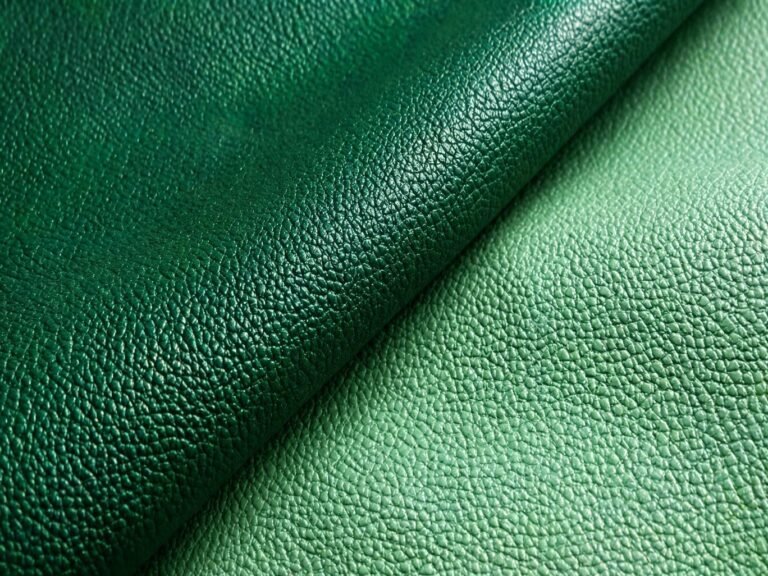
See how certified eco-friendly silicone leather delivers sustainability without the performance trade-offs that plague algae-based alternatives
Scale and Supply: Why Most Bio-Based Materials Can’t Deliver
Even if the performance gaps were solved tomorrow, a more fundamental barrier remains: production scale. Industry analysis confirms that globally, the number of companies capable of delivering algae leather fabric supplier sourcing B2B quantities above one million meters is extremely limited. Most algae leather producers operate at pilot or small-batch scale — producing enough for sample swatches and press demonstrations, but not for a 5,000-unit furniture production run or a fleet-wide automotive interior program.

Commercial-scale production flow — the manufacturing infrastructure that algae leather startups are still building
This matters because B2B procurement isn’t about buying one swatch. It’s about securing a reliable supply of consistent-quality material over a multi-year production cycle, with documented lead times, quality control protocols, and the ability to repeat the exact material specification across batches. A supplier that can deliver 500 meters this quarter but can’t commit to 50,000 meters next year isn’t a sourcing partner — it’s a research collaborator. For a deeper comparison of how established materials like silicone vs PU meet these supply requirements, the gap becomes even clearer.
| Material | Carbon Reduction | Water Resistance | Martindale Cycles | Scale Readiness |
|---|---|---|---|---|
| Algae Leather | 80%+ reduction | Poor — absorbs water | Below commercial threshold | Pilot scale only |
| PU Leather | Baseline (petroleum) | Good (degrades via hydrolysis) | 10,000-25,000 | Full commercial scale |
| PVC / Vinyl | Baseline (petroleum) | Excellent | 20,000-40,000 | Full commercial scale |
| Silicone Leather | Low VOC, solvent-free | Excellent | 200,000+ | Full commercial scale |
A Pragmatic Path: Bio-Based Silicone Leather as a Bridge
None of this means bio-based materials aren’t the future. They are. But B2B sourcing decisions happen in the present, and procurement teams need materials that deliver both sustainability credentials and verified performance today. That’s where bio-based leather alternatives algae seaweed research intersects with silicone leather technology. Silicone leather already offers a solvent-free, low-VOC production process, REACH and FDA compliance, and a 10+ year service life that reduces replacement frequency — which is itself a sustainability strategy.
For procurement teams tracking sustainable material applications across industries, silicone leather represents a pragmatic bridge: commercially proven today, environmentally responsible, and compatible with the bio-based material research that will eventually close the performance gaps.
The bio-based leather material landscape is evolving rapidly — and the bio-based silicone leather future analysis tracks how these technologies are converging toward commercially viable solutions.
Frequently Asked Questions
Is algae leather fabric commercially available for B2B sourcing?
Algae leather fabric exists in pilot and small-batch quantities from a limited number of producers. However, most suppliers cannot deliver at the scale (100,000+ meters) or consistency that B2B manufacturing requires. Until production capacity and quality control reach commercial maturity, it remains a material of interest rather than a viable sourcing option for production runs.
What are the main performance limitations of algae leather fabric?
The three primary limitations are water absorption (the biopolymer matrix is hydrophilic), mechanical durability (many formulations miss commercial Martindale and tear strength thresholds), and UV stability. These properties make it unsuitable for upholstery, automotive interiors, and any application with routine liquid exposure or high-traffic wear.
Sustainability Must Include Performance
Algae leather fabric represents a genuine direction for sustainable materials — but direction isn’t delivery. B2B procurement teams can’t specify materials based on carbon reduction alone when water absorption, durability gaps, and supply limitations make the material unsuitable for production. The pragmatic path forward is choosing materials that deliver sustainability and verified performance simultaneously. Silicone leather does that today, while bio-based research continues closing the gaps that keep algae leather in the lab. Track the technology. Pilot where you can. But source for the specs your project actually needs.
About TOPSUN
TOPSUN manufactures solvent-free silicone leather that delivers measurable sustainability gains — low VOC, zero solvent emissions, and a 10+ year service life — without the performance trade-offs that limit emerging bio-based materials in commercial applications.
REACH, FDA, ISO 10993, and EN 13773 certified — with full-scale production capacity and documented quality control for B2B sourcing at commercial volumes.