Polyurethane leather has become a top choice for B2B buyers worldwide. This guide explains the full polyurethane leather manufacturing process. You will learn how raw materials turn into high-quality finished products.
The global synthetic leather market is growing fast. It reached $48.5 billion in 2025 and may hit $70.9 billion by 2032. This growth shows strong demand across many industries. Understanding how PU leather is made helps buyers make smart sourcing decisions.
1. What Is Polyurethane Leather?
Polyurethane leather is a synthetic material. It mimics the look and feel of genuine leather. Manufacturers create it by coating a fabric base with a polyurethane layer. This process produces a flexible, durable surface.
Unlike PVC leather, PU leather feels softer and more breathable. It also offers better environmental performance. Many brands now prefer polyurethane faux leather for furniture, fashion, and automotive uses.
The material consists of two main parts:
- Base fabric: Usually woven or non-woven polyester or cotton.
- Polyurethane coating: A polymer layer that gives texture, color, and protection.
This simple structure makes polyurethane synthetic leather both cost-effective and versatile. Buyers can choose from many colors, textures, and thicknesses.
2. Raw Materials in Polyurethane Synthetic Leather Production
Quality polyurethane leather starts with the right raw materials. Each component plays a key role in the final product.
Base Fabrics
The foundation of PU leather is the base fabric. Common options include:
- Polyester: Strong, stable, and widely used.
- Cotton: Soft feel but less common in industrial use.
- Microfiber: Creates high-end suede-like textures.
- Non-woven fabrics: Cost-effective for budget grades.
Polyurethane Resins
The coating uses polyurethane resins. These resins come in two main types:
- Water-based PU: Lower VOC emissions, more eco-friendly.
- Solvent-based PU: Stronger adhesion, used for heavy-duty grades.
Additives and Pigments
Manufacturers add pigments, stabilizers, and flame retardants. These improve color, UV resistance, and safety. Some grades also include antimicrobial agents for medical or food-contact uses.
3. The Manufacturing Process: Step by Step
The production of polyurethane leather follows a clear sequence. Each stage affects the final quality.
Step 1: Fabric Preparation
Workers inspect and clean the base fabric. They check for defects, uneven thickness, or contamination. Proper preparation ensures smooth coating later.
Step 2: Coating Application
The fabric passes through coating machines. A thin layer of polyurethane mixture spreads across the surface. There are two main methods:
- Dry process: The PU resin coats a release paper first. Heat evaporates the solvent. The fabric then laminates to the film.
- Wet process: The fabric dips into a PU solution bath. Coagulation forms a porous, leather-like structure.
Step 3: Drying and Curing
The coated fabric moves through ovens. Temperature and speed control the curing process. Proper curing ensures strong bonding and stable texture.
Step 4: Embossing and Finishing
Embossing rollers press patterns onto the surface. Options include grain leather, suede, or custom textures. A final topcoat adds gloss, matte, or protective features.
Step 5: Quality Inspection
Technicians check every roll. They test color, thickness, adhesion, and surface defects. Only approved batches move to packaging.

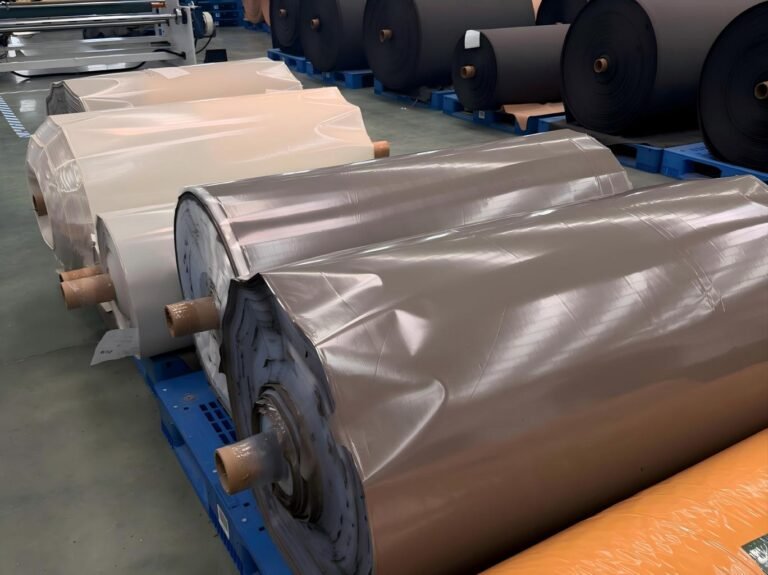
Modern polyurethane leather production line with precision coating equipment.
4. Polyurethane Leather Durability and Quality Testing
Polyurethane leather durability is a top concern for B2B buyers. Reliable suppliers run strict tests before shipping.
Abrasion Resistance
The Martindale test measures how well the surface resists wear. High-grade PU leather survives over 50,000 cycles. This makes it ideal for heavy-use furniture and car seats.
Tensile Strength
This test checks how much force the material can handle before tearing. Strong tensile strength means longer product life.
Color Fastness
Samples undergo light, rubbing, and washing tests. Good color fastness prevents fading in sunlight or during cleaning.
Flexing and Creasing
The Ross flex test bends the material thousands of times. It reveals cracking or coating failure. Premium grades pass over 100,000 flexes.
Flame and Chemical Resistance
Automotive and marine grades need flame retardancy. Medical grades require resistance to disinfectants and alcohol.

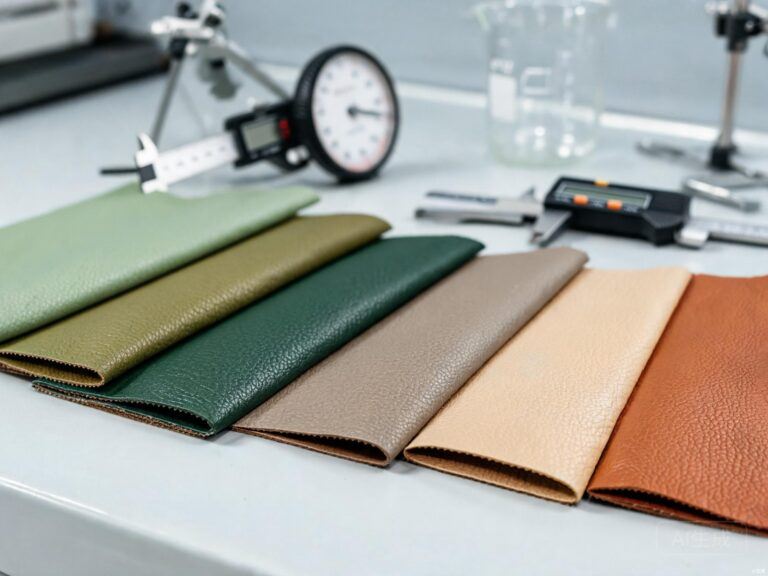
Laboratory technician performing abrasion and flex testing on polyurethane leather samples.
5. Key Applications: From Sofas to Automotive Interiors
Polyurethane leather serves many industries. Its adaptability makes it a popular choice for B2B buyers.
Furniture and Upholstery
A polyurethane leather sofa offers a premium look at a lower cost. The material resists stains and scratches. It is easy to clean, making it perfect for homes, hotels, and offices.
Automotive Interiors
Car makers use PU leather for seats, dashboards, and door panels. It meets strict flame and fogging standards. It also allows custom colors and textures for brand identity.
Fashion and Accessories
Bags, shoes, and wallets often use polyurethane faux leather. It offers design freedom and consistent quality. Brands can create vegan product lines without animal materials.
Marine and Outdoor
Marine-grade PU polyurethane leather resists UV rays, saltwater, and mildew. It works well for boat seats and outdoor furniture.
Medical and Healthcare
Hospital beds and examination tables need hygienic surfaces. Antimicrobial polyurethane synthetic leather meets these needs. It withstands frequent cleaning with harsh disinfectants.

Premium sofa upholstered with smooth polyurethane faux leather in a modern living space.
For more details on furniture applications, read our guide on faux leather furniture durability.
6. Polyurethane Leather Vegan and Eco-Friendly Benefits
Many buyers now seek polyurethane leather vegan options. This material offers clear ethical and environmental advantages.
No Animal Products
Polyurethane faux leather contains no animal hides. This appeals to vegan brands and cruelty-free markets. It also avoids the environmental costs of tanning.
Lower Carbon Footprint
Producing PU leather uses less water and energy than genuine leather. It also avoids toxic chrome tanning chemicals. Water-based PU coatings further reduce VOC emissions.
Recyclability Innovations
New technologies now allow recycling of polyurethane synthetic leather waste. Some manufacturers use bio-based polyols from plant sources. These innovations support circular economy goals.
Learn more about sustainable materials in our article on vegan leather definition and materials.
7. PU Polyurethane Leather vs. Other Synthetic Options
B2B buyers often compare PU polyurethane leather with PVC and silicone leather. Each option has unique strengths.
| Feature | PU Leather | PVC Leather | Silicone Leather |
|---|---|---|---|
| Softness | High | Medium | Very High |
| Breathability | Good | Poor | Excellent |
| Durability | Good | Moderate | Excellent |
| Eco-Friendliness | Better | Lower | Best |
| Cost | Mid-range | Low | Premium |
| Best For | Furniture, fashion | Budget items | Automotive, medical |
PU leather strikes a balance between cost and quality. It is softer than PVC and more affordable than silicone leather. For buyers who need the highest performance, silicone faux leather may be worth the premium.
8. How to Choose a Reliable Polyurethane Leather Supplier
Selecting the right supplier ensures consistent quality and on-time delivery. Here are key factors to consider.
Production Capacity
Check the factory’s monthly output. Large orders need suppliers with enough capacity. Ask about lead times for both standard and custom grades.
Quality Certifications
Look for ISO 9001, REACH, and CA Prop 65 compliance. Automotive buyers may need IATF 16949. Medical buyers should check biocompatibility reports.
Customization Services
Can the supplier match your color, texture, and thickness needs? Do they offer embossing, printing, or backing options? Strong R&D teams support faster prototyping.
Sample Policy
Request free samples before placing bulk orders. Test them in your actual application. Check for color consistency across batches.
For a deeper guide, read our article on how to choose a leather factory.
9. Conclusion
Polyurethane leather offers a proven solution for B2B buyers across many industries. From raw fabrics to finished rolls, the manufacturing process is mature and scalable. Strong polyurethane leather durability makes it ideal for furniture, automotive, and fashion uses.
The global market continues to grow. Buyers who understand PU leather production can make better sourcing choices. They can also spot quality differences and avoid low-grade suppliers.
Whether you need polyurethane leather vegan options or heavy-duty automotive grades, the right supplier makes all the difference. Focus on certifications, testing standards, and customization ability.
About Topsun Silicone Leather
Topsun is a leading manufacturer of custom silicone leather and synthetic leather materials. We serve B2B buyers in automotive, furniture, medical, marine, and fashion industries. Our factory holds FDA, REACH, PAHs, and ISO 9001 certifications. We offer OEM and ODM services with full R&D support.
With advanced coating lines and strict quality control, we deliver consistent batches on time. Contact us for free samples and factory tour scheduling.
Sources:
Market data sourced from Global and China Polyurethane Leather Market Report 2026. Read the full report.