

Silicone Leather Cleaning & Maintenance Guide
Daily cleaning, stain removal & deep cleaning methods for silicone leather and faux leather upholstery.
Why Proper Care Extends Material Life
TOPSUN silicone leather is engineered for durability. Its Si-O-Si molecular backbone provides natural resistance to stains, UV damage, and wear. Unlike traditional PU or PVC leather, it does not crack, peel, or hydrolyze over time.
However, regular cleaning and proper maintenance are still essential. They preserve the original texture, color vibrancy, and tactile feel of the material. With the right care routine, your silicone leather products can maintain their premium appearance for over a decade.
The good news? Silicone leather is remarkably easy to maintain. Most daily cleaning takes less than 2 minutes. Here is your complete guide.
Silicone Leather vs. Traditional Leather Care
See why silicone leather requires significantly less maintenance effort
| Care Aspect | TOPSUN Silicone Leather | Traditional PU / PVC Leather |
|---|---|---|
| Daily Cleaning | Damp cloth only, no special products | Requires specialized cleaners |
| Stain Resistance | Excellent - most stains wipe off instantly | Moderate - stains may penetrate |
| Conditioning | Not required - self-sustaining surface | Required every 3-6 months |
| UV Protection | Built-in UV resistance, no extra care needed | Requires UV-protectant sprays |
| Water Resistance | 100% waterproof, no damage from spills | Water can seep into seams and backing |
| Expected Lifespan | 10+ years with basic care | 3-5 years before degradation |
Daily Cleaning Guide
A quick 4-step routine to keep your silicone leather spotless every day
Dust Removal
Use a soft, dry microfiber cloth to gently wipe the surface. This removes loose dust, lint, and particles. Always wipe in one direction to avoid scratching the surface texture.
Damp Wipe
Dampen a clean cloth with lukewarm water. Wring out excess moisture so the cloth is slightly damp, not wet. Wipe the surface gently in circular motions to remove fingerprints and light dirt.
Mild Soap (If Needed)
For slightly soiled areas, add a drop of mild, pH-neutral liquid soap to your damp cloth. Gently rub the affected area. Avoid harsh detergents or abrasive cleaners that could damage the surface finish.
Dry & Buff
Use a separate dry microfiber cloth to buff the surface to a clean finish. This removes any remaining moisture and restores the material's natural sheen. Allow to air dry completely before use.
Pro Tip
For best results, clean your silicone leather products once a week in high-traffic areas and once every two weeks in low-use areas. Consistent light cleaning is more effective than occasional deep cleaning.
Deep Cleaning Guide
Perform deep cleaning every 3-6 months to maintain optimal condition
When to Deep Clean
Deep cleaning should be performed every 3 to 6 months depending on usage intensity. High-traffic applications such as automotive interiors, public seating, and restaurant booths may require more frequent deep cleaning.
Signs that deep cleaning is needed include: visible dullness on the surface, persistent odors, or a sticky feeling when touched.
Recommended Supplies
- ✓ Soft microfiber cloths (2-3 pieces)
- ✓ pH-neutral liquid soap or silicone-safe cleaner
- ✓ Soft-bristle brush (for textured surfaces)
- ✓ Lukewarm water
- ✓ Isopropyl alcohol (70%, for disinfection only)
Step-by-Step Deep Cleaning
- 1 Pre-Clean Dust Vacuum or dry-wipe the entire surface to remove loose particles before applying any moisture.
- 2 Apply Cleaning Solution Mix a few drops of pH-neutral soap in a bowl of lukewarm water. Dip a cloth and wring thoroughly.
- 3 Scrub Gently Work in small sections. Use circular motions with moderate pressure. For textured surfaces, a soft-bristle brush helps clean crevices.
- 4 Rinse & Wipe Use a clean, damp cloth (water only) to remove soap residue. Repeat until no soap film remains on the surface.
- 5 Dry Completely Buff with a dry microfiber cloth. Allow the material to air dry fully before use. Do not apply heat to accelerate drying.
Stain Removal Techniques
Targeted solutions for the most common stain types on silicone leather
Ink & Pen Marks
- Act quickly. Fresh ink is much easier to remove than dried ink.
- Dab, don't rub. Use a cotton swab dipped in 70% isopropyl alcohol to gently dab the ink stain.
- Work from edges inward. This prevents the stain from spreading further.
- Wipe clean. Use a damp cloth to remove any alcohol residue.
Oil & Grease Stains
- Blot excess oil. Use a paper towel to absorb any surface oil immediately.
- Apply dish soap. A drop of mild dish soap directly on the stain works well on silicone leather.
- Let it sit. Allow the soap to work for 2-3 minutes.
- Wipe with a damp cloth. Remove all soap residue and dry thoroughly.
Food & Beverage Spills
- Wipe immediately. Silicone leather is non-porous, so most food stains wipe right off.
- Use warm soapy water. For sticky residues like syrup or sauce, warm water with a drop of soap works best.
- Coffee or wine stains. These may require a second pass with a damp cloth. They rarely set permanently on silicone leather.
Makeup & Cosmetics
- Gently scrape excess. Use a plastic card edge to lift foundation or lipstick without spreading.
- Apply mild soap solution. Dampen a cloth with soapy water and dab the stain repeatedly.
- For stubborn stains. A small amount of rubbing alcohol on a cotton pad can break down cosmetic pigments effectively.
Blood & Biological Stains
- Use cold water only. Hot water will set blood stains permanently. Always start with cold water.
- Dampen and blot. Apply a cold, damp cloth and press gently. Do not rub.
- Disinfect afterward. Once the stain is removed, wipe the area with 70% isopropyl alcohol for sanitation.
Adhesive & Sticky Residue
- Peel gently. Remove as much adhesive material as possible by slow, careful peeling.
- Apply warm water. A warm, damp cloth held on the residue for 1-2 minutes softens most adhesives.
- Use rubbing alcohol. For remaining sticky residue, dab with isopropyl alcohol and wipe clean.
Important Note
Always test any cleaning agent on a small, inconspicuous area first. While TOPSUN silicone leather is highly chemical-resistant, testing ensures compatibility with your specific finish and color. For stains that persist after multiple attempts, contact our technical support team for professional advice.
Stain Resistance Demonstration
Watch how easily silicone leather resists and cleans common stains
Long-Term Maintenance Tips
Follow these practices to maximize the lifespan and appearance of your silicone leather
Regular Cleaning Schedule
Establish a weekly wiping routine for frequently used items. Monthly deep cleaning keeps the material in optimal condition. Consistency matters more than intensity.
UV Exposure Management
While silicone leather has excellent UV resistance, prolonged direct sunlight may cause slight color shift over many years. Use curtains or UV film on windows for products in sun-exposed areas.
Seam & Edge Inspection
Periodically check stitched seams, edges, and bonded areas for signs of wear. Early detection of seam loosening allows for timely repair before the issue worsens.
Sharp Object Prevention
Keep sharp objects away from silicone leather surfaces. While the material is scratch-resistant, deliberate punctures from knives or sharp tools can damage the surface.
Temperature Considerations
Silicone leather performs well in temperatures from -40°C to 250°C. However, avoid placing hot objects directly on the surface. Use trivets or coasters as a protective barrier.
Storage Guidelines
Store unused silicone leather rolls or products in a cool, dry place away from direct sunlight. Roll rather than fold to prevent permanent creases. Maintain moderate humidity levels.
Things to Avoid
These practices can damage your silicone leather and void warranty coverage
Bleach & Chlorine Cleaners
Never use bleach, chlorine-based cleaners, or products containing sodium hypochlorite. These chemicals can degrade the silicone polymer chain and cause discoloration or surface deterioration over time.
Abrasive Scrubbing Pads
Avoid steel wool, scouring pads, stiff brushes, or any abrasive cleaning tools. They will scratch and permanently damage the smooth surface finish of the silicone leather. Always use soft cloths or sponges.
Solvent-Based Cleaners
Do not use acetone, paint thinners, turpentine, or other strong organic solvents. While silicone has good chemical resistance, prolonged exposure to aggressive solvents can affect the surface coating and backing material.
Machine Washing & Drying
Never put silicone leather products in a washing machine or tumble dryer. Mechanical agitation and high heat can damage seams, deform the backing fabric, and cause irreversible damage to the material structure.
Direct Heat Sources
Keep silicone leather away from open flames, heaters, radiators, and direct oven heat. Although silicone is heat-resistant, prolonged exposure to concentrated heat sources above 250°C can cause localized damage.
Leather Conditioners & Oils
Unlike genuine animal leather, silicone leather does NOT need conditioning. Applying leather conditioners, oils, or wax products creates a sticky residue that attracts dirt and defeats the self-cleaning properties of silicone.
Product Care by Application
Different applications have unique care requirements. Find the best practices for your use case.

Furniture & Upholstery
Sofas, chairs, and headboards experience daily use. Regular maintenance keeps them looking showroom-fresh.
- Weekly dusting with a dry microfiber cloth
- Monthly damp wipe with mild soap solution
- Address spills immediately to prevent staining of backing fabric through seams
- Rotate cushions regularly for even wear distribution
- Keep pets trimmed nails away to minimize surface scratches
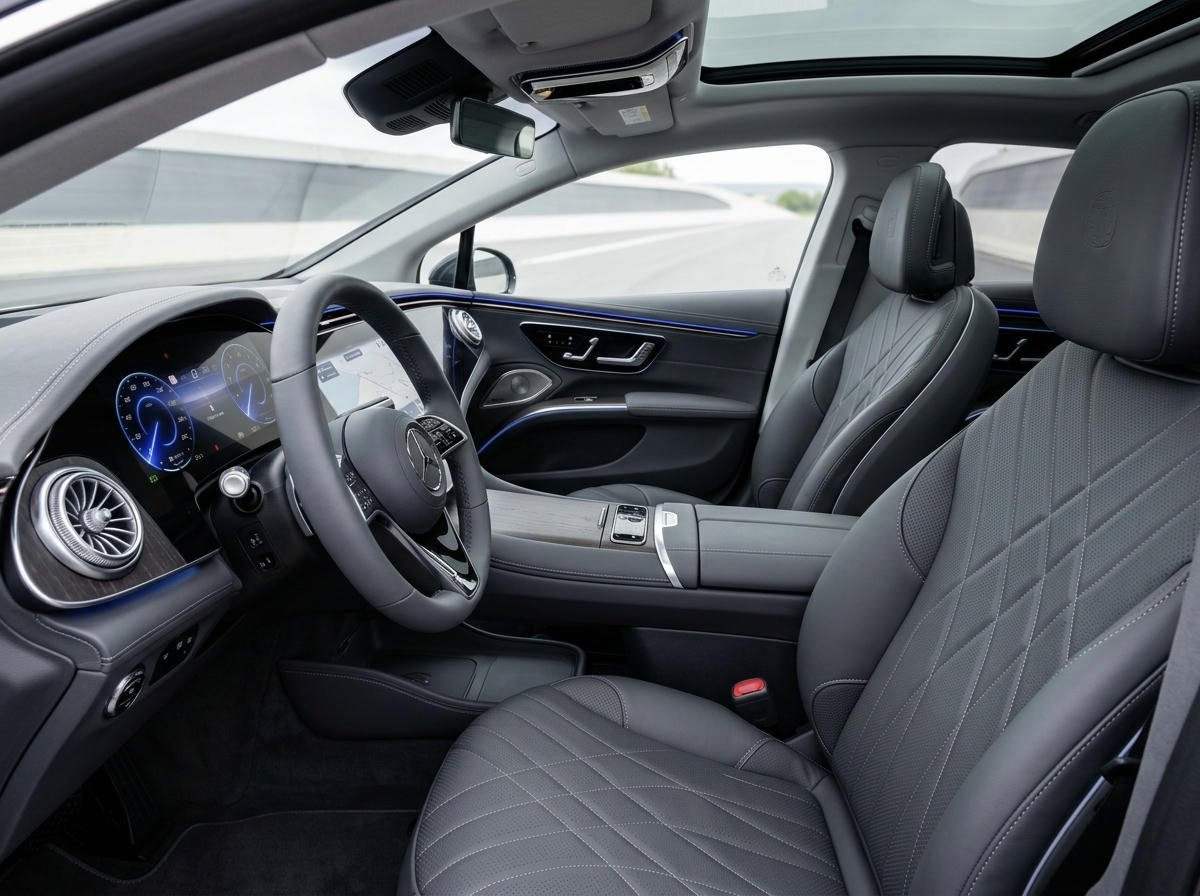
Automotive Interiors
Car seats, dashboards, and door panels face extreme conditions. Silicone leather handles these challenges exceptionally well.
- Wipe down every 2 weeks to remove body oils and sweat residue
- Use a silicone-safe interior cleaner for dashboard and console areas
- Avoid ammonia-based glass cleaners on leather-wrapped surfaces
- Park in shade when possible to minimize heat buildup
- Use seat covers during moving or heavy cargo transport
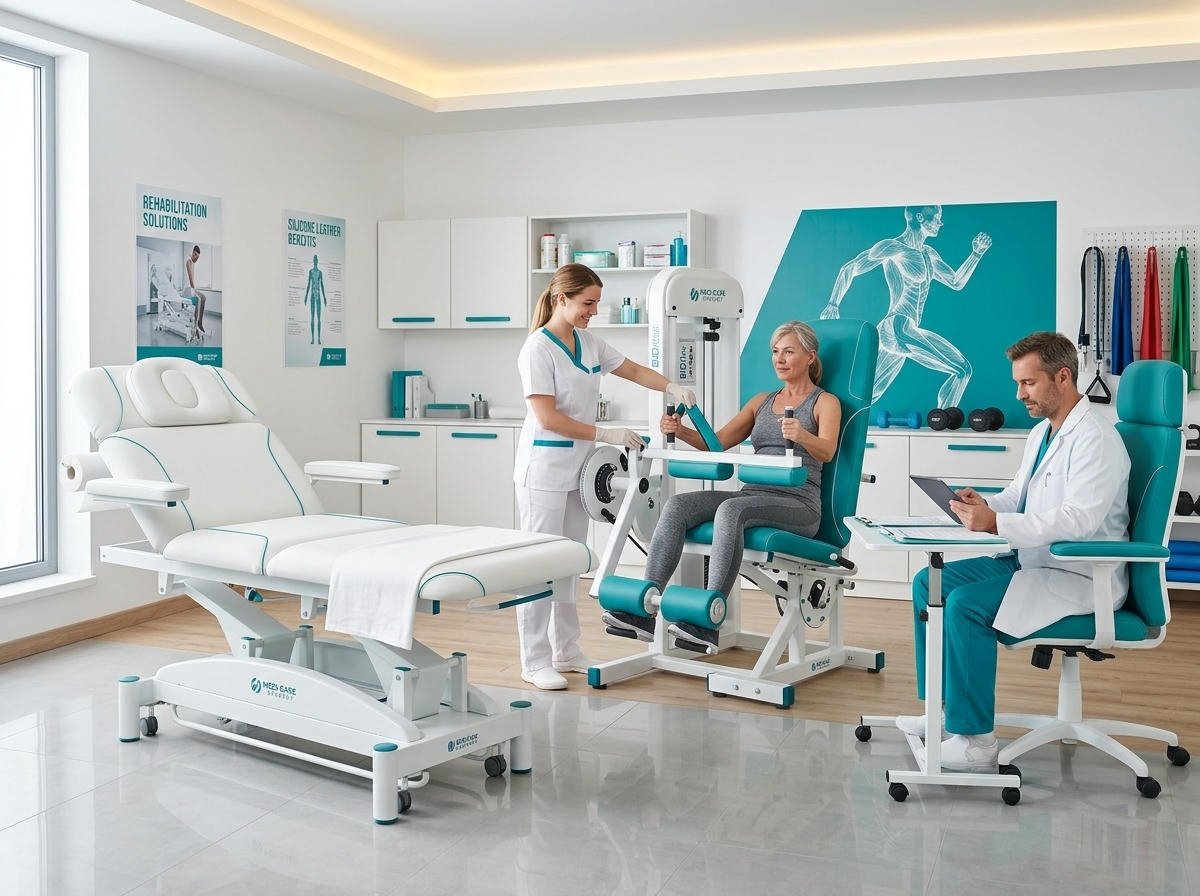
Medical & Healthcare
Medical-grade silicone leather requires strict hygiene protocols. Its non-porous surface supports effective disinfection.
- Follow facility disinfection protocols with EPA-approved hospital-grade disinfectants
- Wipe surfaces between each patient use
- 70% isopropyl alcohol or hydrogen peroxide wipes are recommended
- Inspect seams and edges daily for signs of wear or damage
- Replace products per manufacturer guidelines to maintain infection control

Marine & Outdoor
Boat seating, outdoor cushions, and patio furniture face UV, salt, and moisture. Silicone leather excels in these harsh environments.
- Rinse with fresh water after saltwater exposure to prevent salt buildup
- Clean monthly during heavy use seasons
- Use a mild soap solution to remove algae or mildew from surfaces
- Ensure proper drainage under cushions to prevent water pooling
- Use breathable covers during off-season storage to prevent moisture trapping
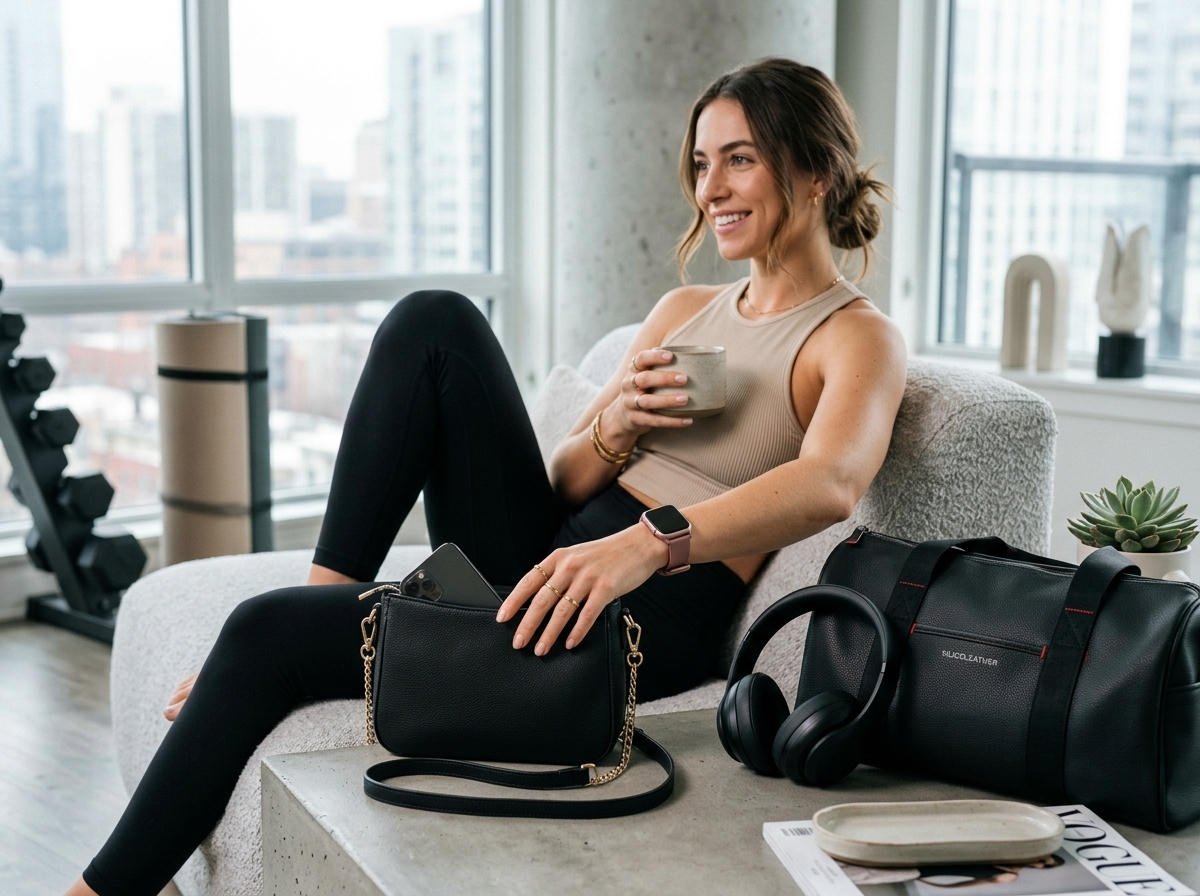
Fashion & Accessories
Bags, shoes, watch bands, and apparel items need regular care to maintain their premium appearance and feel.
- Wipe bags and accessories with a dry cloth after each outdoor use
- Store in dust bags when not in use to prevent dust accumulation
- For watch bands, clean weekly to remove sweat and skin oils
- Avoid prolonged contact with denim or dark fabrics that may transfer dye
- Keep away from perfumes and hand sanitizers that may affect the surface
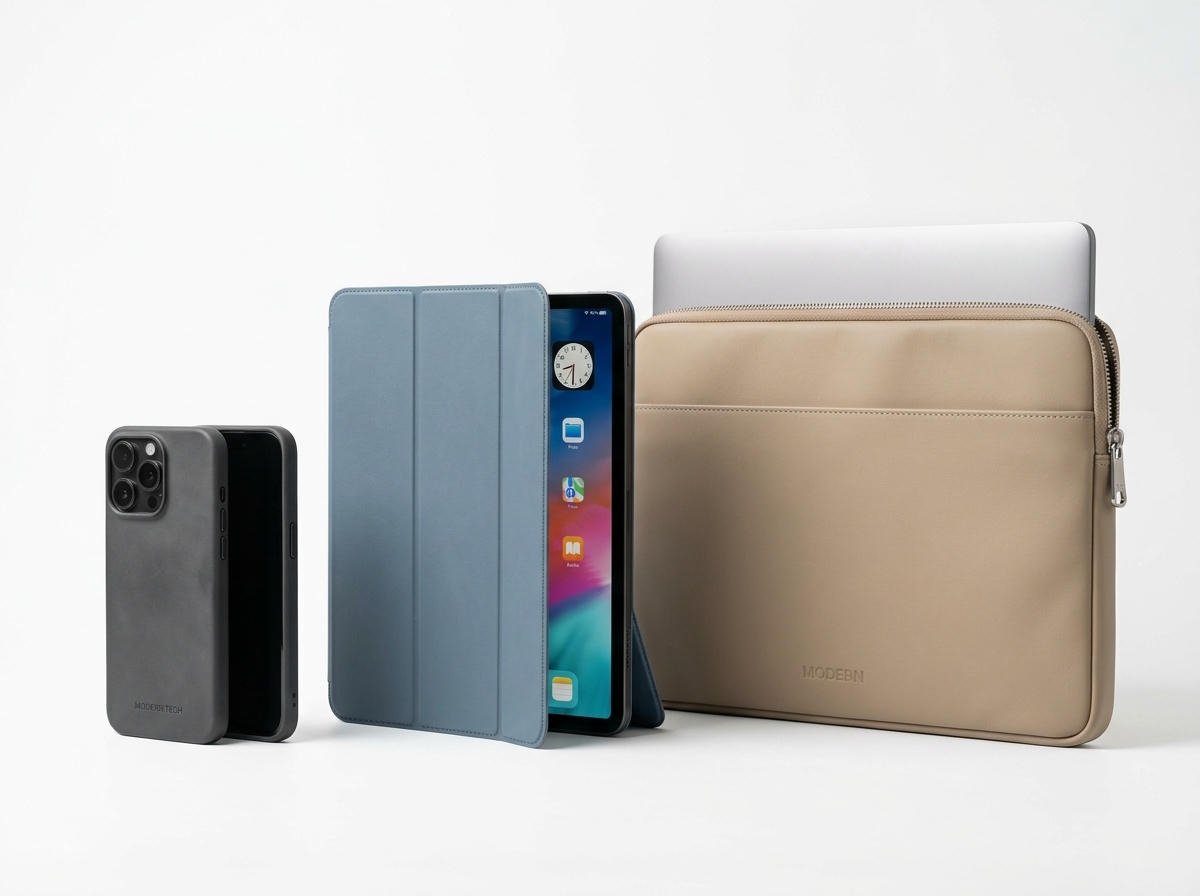
3C & Electronics
Phone cases, laptop sleeves, and headphone pads receive constant hand contact. Keep them clean for hygiene and aesthetics.
- Wipe phone cases and tech accessories daily with a dry cloth
- Use electronics-safe cleaning wipes for headphone pads and wrist rests
- Remove cases weekly for thorough cleaning of both interior and exterior
- Avoid spraying cleaners directly on electronic devices
- Allow accessories to dry completely before reattaching to devices
Frequently Asked Questions
Answers to the most common questions about silicone leather cleaning and maintenance
Related Resources
Explore more information about TOPSUN silicone leather products and services
Application Scenarios
Discover how silicone leather performs across furniture, automotive, 3C, fashion, medical, and marine industries.
Custom Solutions
Customize color, texture, thickness, and backing for your unique needs.
Request Free Samples
Test our silicone leather quality before placing your bulk order.
Factory & Production
Learn about our ISO 10993 certified quality control processes and manufacturing capabilities.
Technical Data Sheets
Download detailed specifications, test reports, and technical documentation.
Contact Our Team
Get in touch for pricing, samples, or technical support inquiries.
Learn more about silicone materials and industry standards: