The night crew finishes a lobby turn at 2 a.m. By 7 a.m., the seat edges look dull, and by year two the reception sofas have gone stiff and pale where hands rest. Nobody spilled anything. The pu leather surface had simply been cleaned with the strongest wipe on the cart. In hospitality, the surface is the product: it is the only part a guest ever touches, and it has opinions about chemistry that the cleaning schedule ignores at its own cost.
This article reads the surface from the maintenance side. It covers what the topcoat decides before any cleaning starts. Then it explains why alcohol is the most expensive item on the cart, how sunlight yellows light shades, and which routine keeps a PU surface new for years instead of seasons.
The Surface Is the Product: What Guests Actually Touch
Every material choice ends in the same place: a thin coating that meets skin, denim, sunscreen, and disinfectant. Backing, foam, and fabric below only matter because that layer must survive what lands on it. This is why two PU grades with identical thickness can age nothing alike. The difference lives in the topcoat system, and most cleaning programs never learn what theirs can tolerate.
What the Topcoat Decides Before Anyone Cleans
Alcohol resistance is not a property of PU leather in general. It depends on the polyurethane system, the pigments, the topcoat, and the finishing process behind the roll. Some PU surfaces shrug off an occasional wipedown. Others show gloss change or color shift after a few passes. Stain protection adds another layer of nuance: many fabrics rely on a topical treatment that lowers surface energy, and topical treatments wear off with cleaning. Asking a supplier what the surface tolerates, in writing, is the cheapest insurance a maintenance budget can buy.
| Cleaning Agent | Effect on a PU Surface | Verdict |
|---|---|---|
| Neutral pH soap, warm water | Lifts soil without attacking the film | Daily standard |
| 70 percent alcohol wipes | Dissolves plasticizer, stiffens and embrittles the film | Avoid on standard PU |
| Diluted IPA under 10 percent | Handles stubborn stains with limited exposure | Occasional, spot only |
| Solvent thinners, abrasive pads | Strips finish and scars the grain permanently | Never |
| Alcohol-free certified wipes | Disinfects without plasticizer loss | Preferred for daily disinfection |

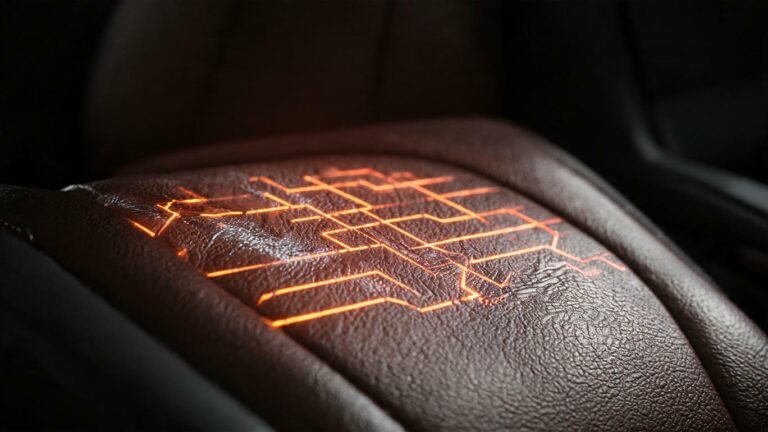
The topcoat is set on this line, long before any cleaning crew meets it.
The Alcohol Mistake: Why Wipes Stiffen PU
The common 70 percent isopropyl wipe works by dissolving things, and the plasticizer inside a PU film is one of them. Each pass leaches a little more. The surface responds by stiffening, then micro-cracking, then flaking at the folds. Facilities that need real disinfection have two options: alcohol-free wipes certified to EN 14476, or a surface tested for alcohol resistance from the start. The gap between those two decisions is measured in recovered furniture budgets.

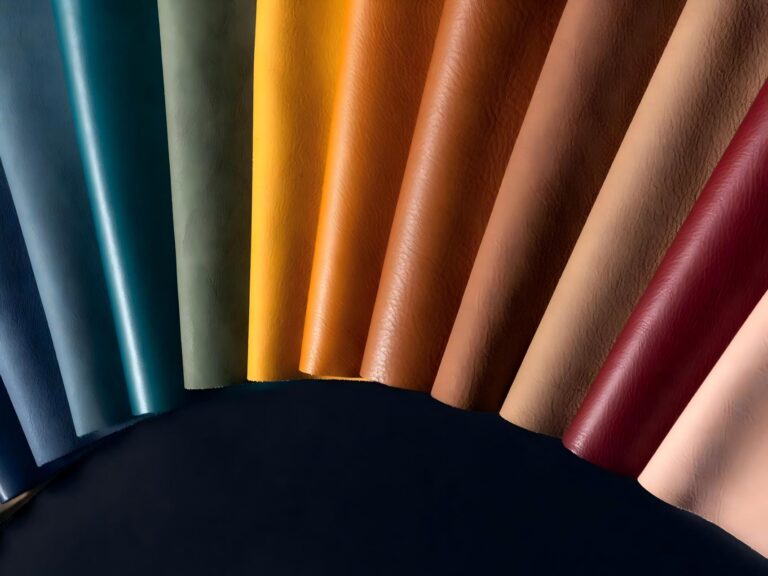
A droplet test at the factory predicts how the surface will behave at the front desk.
Sunlight and the Yellowing Problem
Light shades show every surface sin first. Under window light, standard PU coatings shift toward yellow. Cream upholstery reads tired within a year or two. The defense is a light fastness rating under standards like ISO 105-B06. Grade 4-5 is the minimum for bright interiors. Serious grades back it with 1,000 or more hours of accelerated UV testing. Batch color consistency matters just as much. A replacement panel that drifts from the sofa reads as damage. Ask for the Delta E number, not the assurance.

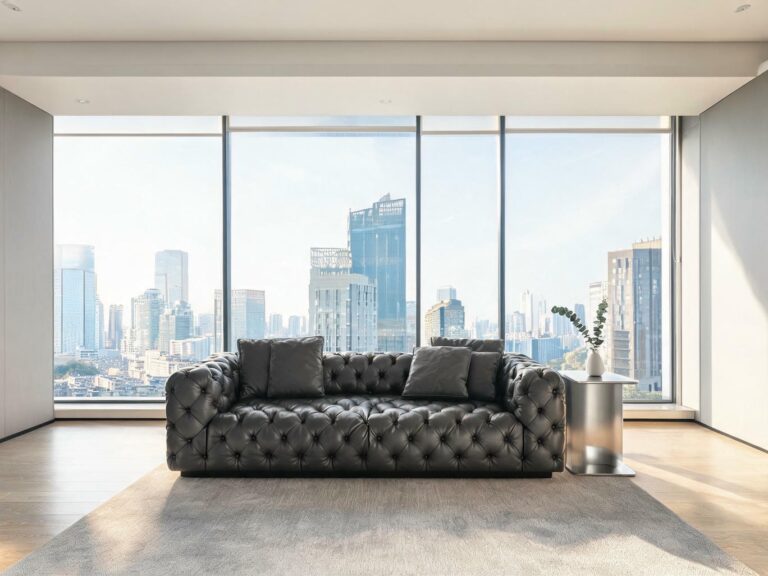
High-contact seating doubles the cleaning load. The surface spec has to carry it.
Get a Surface-Care Consultation
The Housekeeping Routine That Keeps PU Intact
A safe routine fits on one card. Daily: wipe with a soft microfiber cloth in neutral pH soap and warm water below forty degrees Celsius. Immediately after: dry with an absorbent towel, because moisture left sitting on the film feeds hydrolysis. For stubborn stains: a diluted alcohol solution under ten percent, spot applied, never soaked. Always: no abrasive pads, no solvent thinners, no steam at close range. Programs that train crews to this card routinely stretch surface life past the warranty range.
Fleets and clinics that cannot restrain the cart, however, should not be solving the problem with training alone. Vehicles, waiting rooms, and medical settings see alcohol daily no matter what the card says. Our automotive interiors applications notes cover surfaces specified for exactly that abuse.

Where disinfection is non-negotiable, the surface chemistry, not the schedule, carries the load.
A Surface Argument for Chemistry
Care routines protect a surface, but chemistry decides what the surface can survive in the first place. Standard PU asks the world to be gentle. Silicone-based surfaces, documented on our eco-friendly silicone leather page, tolerate alcohol-grade disinfection and resist yellowing under UV. Their finish holds because the protective layer is the material itself, not a coating that wears off. Choose chemistry that matches the room, train crews on the routine, and the surface stops being the line item that quietly ages your fit-out.
Test Wipe-Resistant Surfaces First
References
1. https://carinterior.alibaba.com/tips/pu-leather… — 70 percent alcohol wipes dissolve PU plasticizer, causing stiffening and embrittlement; alcohol-free EN 14476 wipes are the safe alternative
2. https://taiteleather.com/can-you-use-alcohol-on… — Alcohol resistance depends on the polyurethane system, pigment, topcoat, and finishing process of the specific surface
3. https://www.solamnileather.com/How-to-clean-pu-… — Clean with neutral pH soap below 40 degrees Celsius, dry immediately, use IPA under 10 percent for stubborn stains, avoid abrasives