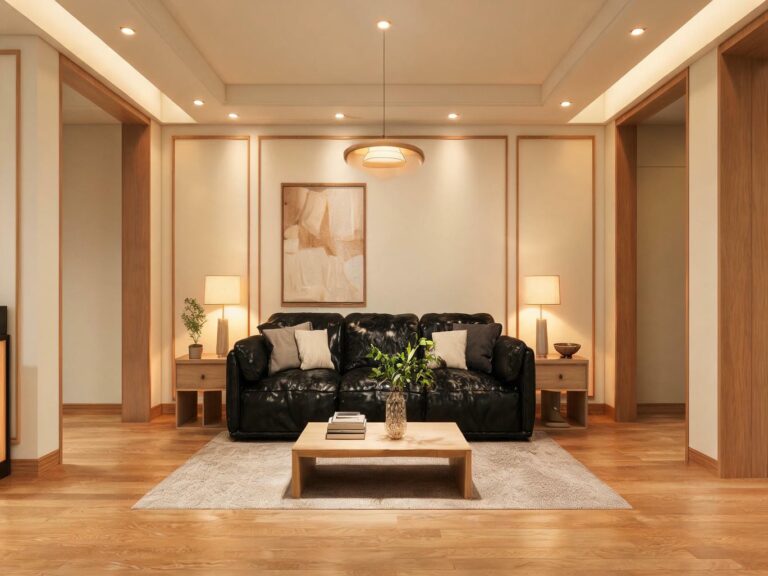
Two hotel lobbies ordered sofas with the same “PU leather” label in the same year. By year three, one set still wiped clean for morning inspections. The other had split along every seat crease. This is the story people miss when they ask about PU leather: it is not one material. It is a family of tiers, and the tier you buy decides everything that follows.
What PU Leather Is Made Of
The recipe is straightforward. PU stands for polyurethane, a flexible polymer. Manufacturers coat a fabric base, usually polyester, cotton, or nylon, with one or more PU layers. Then they emboss a leather grain on top. No animal hide is involved at any stage. The fabric backing carries strength and drape, while the coating carries the look, the feel, and the stain resistance.
That split personality explains every strength and every weakness. The coating makes cleaning easy, since spills sit on a sealed surface. It also creates a single failure plane. When the coating separates from the fabric, the surface peels, and peeling cannot be repaired. Production lines control this bond through coating thickness and curing, which is why our full versus semi silicone comparison spends so much time on how the surface layer is built.

Coating thickness at the roller decides how long the bond survives.
The Three Quality Tiers of PU Leather
Most confusion about PU leather comes from comparing different tiers as if they were equals. Three dominate the market. Budget grades use a thin single coat over basic fabric. Mid grades add a thicker coating and better embossing. Premium grades layer multiple coats with topcoat treatments. Some also pair the surface with a microfiber base for a denser hand.
| Tier | Construction | Typical lifespan | Best fit |
|---|---|---|---|
| Budget PU | Single thin coat, basic fabric | 1-3 years | Short-cycle goods, displays |
| Mid-grade PU | Thicker coat, better finish | 3-5 years | Residential furniture, bags |
| Premium PU | Multi-coat, topcoat, dense base | 5-10 years | Contract seating, automotive |
Ask any supplier which tier a quote covers. A price that seems too good usually means the first row.

Tier gaps are made on the coating line: passes, cure heat, and operator discipline.
How Long Each Tier Lasts
Industry testing puts budget and mid-grade PU at two to five years of service. Heat, UV light, friction, and above all hydrolysis degrade the coating until it cracks. Premium grades stretch further because thicker, multi-layer coatings resist that attack longer. Our own chamber work shows the gap clearly. PU samples typically fail within three to five simulated years. Silicone-based surfaces, by contrast, pass a 14-week 85°C / 85% RH hydrolysis run with no delamination. Buyers weighing an upgrade can see the full data on our hydrolysis-resistant silicone page.
Service-life comparison across surface chemistries, from budget PU to silicone.
Where PU Leather Still Makes Sense
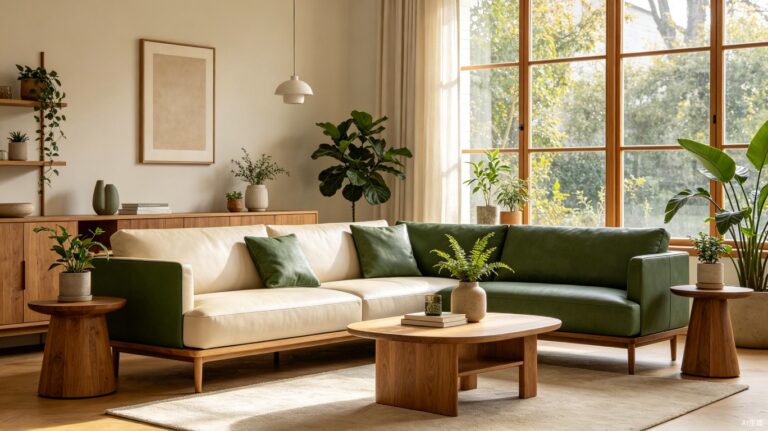
None of this makes PU a bad material. Mid-grade PU is easy to clean, water resistant, and affordable, which keeps it popular for residential sofas and fashion goods. It earns its place wherever design cycles run shorter than its lifespan. Furniture programs can compare how PU and upgraded surfaces behave in real rooms on our furniture and sofa applications page.

Residential seating is where mid-grade PU still performs well per dollar.
The upgrade case appears when covers must survive humidity, daily cleaning, or contract-grade hours. Then the five-year math favors silicone, and the table above shows why.
The Tier You Choose Writes the Next Five Years
The next time a catalog says “PU leather,” read it as the start of a question, not the end of one. Which tier, which base fabric, which coating thickness, which topcoat? Suppliers who answer those four items in writing are worth shortlisting. Suppliers who cannot are selling a label. As more buyers learn to ask, the tier system will sort the market on its own, and the lobbies that still look new in year five will be the ones that asked early.
References
- https://szoneierleather.com/custom-leather-fabr… — PU = polyurethane coating on cotton/polyester/nylon base; no animal hide; average lifespan 2-5 years depending on quality
- https://www.decorativefabricsdirect.com/blog/pu… — several different materials sit under the faux leather umbrella; PU is most-ordered upholstery faux leather; tiered construction differences