Last spring I approved a 400-unit ottoman order on a supplier’s word. The quote named faux leather and pu leather in the same line, as if the two labels were interchangeable. Nine weeks after delivery, corner panels on the floor models started to peel. The supplier had swapped the spec for a cheaper PVC-backed sheet. That return pallet cost us a season of margin and taught me the lesson this guide covers.
If you buy for a brand or a retail chain, this distinction decides your returns rate. Faux leather is the umbrella. PU leather is the branch under it that most orders actually ship on. Here is the map I wish I had on day one.
The Return Pallet, Explained
The quote I approved named a PU coating. The shipped rolls carried a PVC film with a spec sheet nobody read. Faux leather allowed the swap because the label covers both. A category name is not a spec. That is the core idea behind everything below.
Faux Leather and PU Leather: Parent Category, Child Chemistry
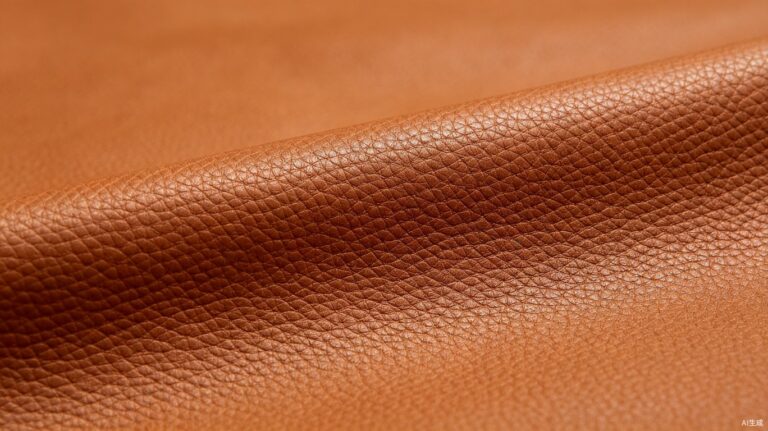
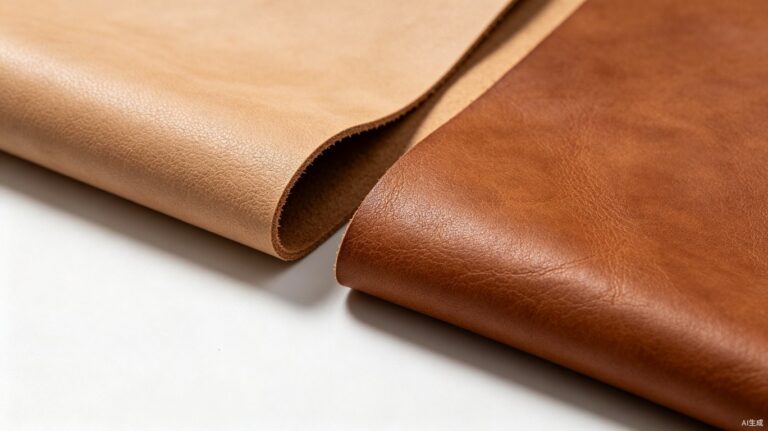
Faux leather is the parent term for any leather-look sheet made without animal hide. PU leather, PVC leather, microfiber, bio-based sheets, and silicone leather all sit under it. PU leather is the largest child. It is a polyurethane coating bonded to a fabric base, and it carries the biggest revenue share of the category.
Scale matters here. Analysts value the global faux leather market at 43.80 billion US dollars in 2026, rising to 68.96 billion by 2033. That growth ships mostly on PU lines, which is why the two names blur in buyer conversations. Newer branches, such as the full and semi silicone leather grades, compete on lifespan rather than price.

Lifespan: Where the Labels Diverge
The two labels age differently, and construction matters more than the name on the carton. Independent comparisons put high-performance PU at five to seven years of service, while budget sheets can crack within two or three. The table below is how I now sort any quote that arrives.
| Label | Typical Build | Indoor Service Life | First Failure Mode |
|---|---|---|---|
| Budget faux (PVC film) | Plasticized PVC on knitted cloth | 2–3 years | Plasticizer migration, surface tack |
| Mid-grade PU | 0.8–1.2 mm PU on woven polyester | 4–6 years | Hydrolysis at flex creases |
| High-spec PU | Thick PU on microfiber base | 5–7 years | Edge wear, color fade |
| Silicone-coated | Silicone on fabric | 10–15 years | None typical indoors |
Read the build column before the label column. A sturdy fabric backing and a thicker coating lift a cheap name into warranty territory. A thin coat on a weak base does the reverse.

Four Spec Lines I Demand on Every RFQ
These four lines fit in one email. They turned my supplier quotes from brochures into documents I can audit.
- Coating polymer. Name it: PU or PVC, wet or dry process. No “leather-look” wording.
- Backing fabric. Knitted, woven, or microfiber nonwoven, with weight in grams per square meter.
- Test numbers. Martindale rubs, flex cycles, and hydrolysis hours, reported per batch.
- Swap clause. No material substitution without written approval. This line is what my return pallet paid for.

Want the same audit trail on your next order? Order Tested Faux and PU Leather Swatches
Frequently Asked Questions
Is PU leather always considered faux leather?
Yes. PU leather contains no hide, so it falls under the faux umbrella. The reverse is not true, because faux also covers PVC and other branches.
Which one should I order for a sofa program?
Match the sheet to the job. Low-use indoor pieces can run mid-grade PU. High-contact or humid settings justify high-spec PU or a silicone upgrade, and the decision tree below sorts it.
A Decision Tree for Your Next Order
Work down this list and stop at the first line that fits.
- Price-led, low-use indoor pieces: mid-grade PU is honest value at four to six years.
- High-contact seating: specify high-spec PU on a microfiber base, or review the silicone microfiber leather product specs for a longer-life swap.
- Heat, humidity, or sunlight in the room: choose silicone-coated material, and let the furniture and sofa application guide map it by room.
- Anything contract-grade: demand batch test reports before the deposit, not after.
My return pallet was avoidable. The quote blurred a category with a chemistry, and nobody caught it in writing. Your next RFQ can close that gap today. Talk to Our Team About Your Program