A furniture brand once asked us to print “genuine vegan leather” on 4,000 sofa tags. One word in that phrase was wrong, and catching it saved a product recall. The material was silicone leather, which is genuinely vegan. But “genuine leather” is a protected claim about animal hide. The two words cancelled each other in most retail jurisdictions. Faux leather and vegan leather overlap so much that teams use them loosely. Then a tag, a purchase order, or an ad campaign makes the difference expensive. This guide separates the two words by the jobs they do.
Faux Leather and Vegan Leather, Defined
Faux leather is the older, broader word: any imitation leather, almost always synthetic PU or PVC. Vegan leather is the ethical subset: materials confirmed free of animal products. Industry explainers land on the same one-liner. All vegan leather is faux leather, but not all faux leather gets marketed as vegan. Pleather, the slang cousin, usually points to PVC specifically.
There is one honest exception to that one-liner, and it matters in contracts. Bonded leather compresses real leather scraps with adhesives, so it contains animal content and cannot carry a vegan claim. Bicast, with its split-hide base, fails the same test. Both look synthetic at retail distance. Both would fail an audit that checked the words against the material. The dictionary is simple; the exceptions are where purchases go wrong.

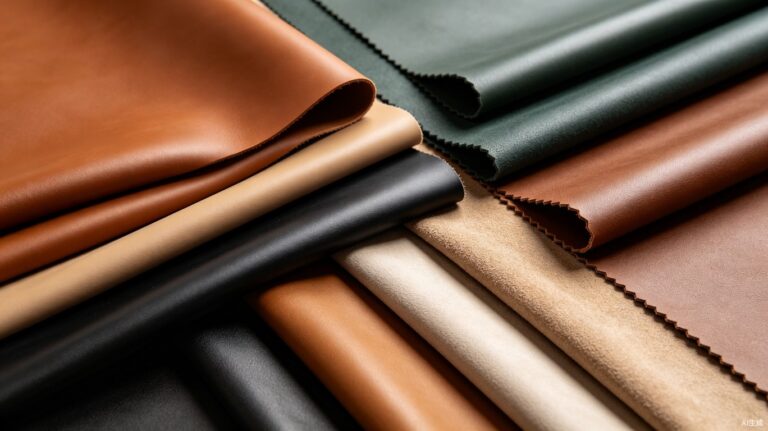
Same coating line, two vocabularies: the polymer decides, the label describes.
Where Each Word Earns Its Place
The two terms are not synonyms in practice. They dominate different documents, and each carries a promise the other does not. Knowing which channel expects which word prevents most terminology mistakes:
| Document or channel | Better word | Why |
|---|---|---|
| Purchase orders and spec sheets | Faux (or the polymer name) | Describes construction, not ethics |
| Marketing to lifestyle buyers | Vegan | Carries the ethical premium |
| Compliance and customs files | Neither: name the polymer | Regulators want chemistry, not branding |
| Contract-grade furniture bids | Faux, plus test data | Buyers score abrasion and fire codes |
The pattern behind the table: “vegan” sells a value position, while “faux” describes a material. Brands that swap them into the wrong documents create exactly the ambiguity that audits, journalists, and competitors enjoy finding.
What Faux Leather and Vegan Leather Quietly Promise
Say “faux leather” and buyers hear affordability, variety, and honest imitation. Nothing more is claimed, and nothing more is expected. Say “vegan leather” and the promise inflates. Lifestyle shoppers attach sustainability, quality, and ethics to the word, though the tag only certifies the absence of animals. Retail analysis keeps finding the same gap between what the label implies and what the polymer delivers.
That expectation gap is a management problem, not a vocabulary problem. A brand that markets “vegan” while shipping a short-life PVC creates two disappointed audiences. One is the customer whose bag peeled. The other is the auditor who reads the composition. Manage the promise by pairing the word with specifics. State the polymer. State the expected service life. State the care limits. Brands that add those three facts to every vegan claim keep the ethical halo and lose the liability.

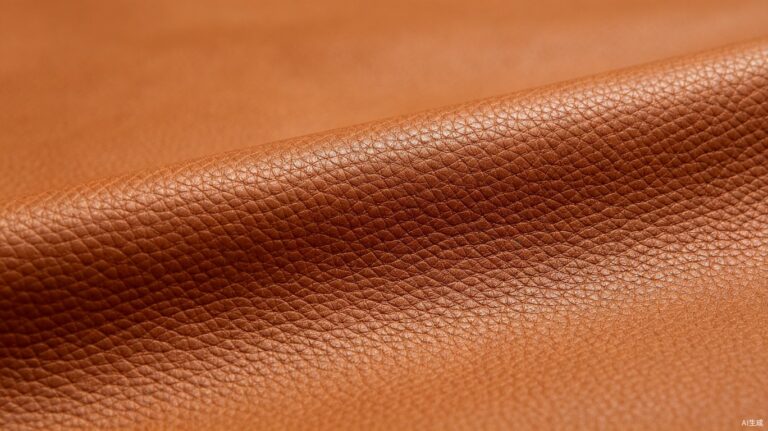
Hand feel is where words end and materials start: fold it, flex it, then write the claim.

The real comparison buyers care about is always chemistry versus chemistry.
For product teams choosing what to call a material, our about page explains how we document silicone leather claims for retail compliance. The word choice then follows the material. Silicone leather is vegan by construction, sand-derived rather than animal-derived. It carries the ethical word without borrowing prestige terms like “genuine.” Furniture programs can see the wording in context on our furniture and sofa applications page.
Three Rules for Faux and Vegan Leather Wording
Most terminology failures trace back to three avoidable habits. Fix them once and the words stop colliding:
- Use polymer names in technical documents, and reserve faux or vegan for consumer-facing copy.
- Never attach “vegan” to bonded or bicast materials; they contain animal content by definition.
- Never pair “vegan” with “genuine” or “real” leather wording on the same product; the claims contradict.
One more habit pays off across the catalog. When semi-synthetic and fully synthetic versions of a product line coexist, label the difference explicitly; our full vs semi silicone leather guide shows how two chemistries that look alike deserve two different descriptions.
The verdict on faux leather and vegan leather: one word describes what the material is, the other describes what the brand refuses to use. They overlap in chemistry and split in purpose. Write the polymer into the spec, write the ethics into the marketing, and never let either word stand in for the other.
Properties first: the numbers that should sit behind either word.
TOPSUN silicone leather carries documented vegan, REACH, and Prop 65 claims for retail labels.
SGS test reports accompany every order, with third-party inspection through SGS, BV, or T脺V on request.
FAQ
Is faux leather always vegan?
No. Most faux leather is vegan, but bonded and bicast variants contain real leather scraps or split hide, so they include animal content.
Which term should a brand use on product pages?
Use “vegan” when the ethical claim is verified and material-specific, and “faux” for general imitation leather. Always name the polymer alongside either word.
References
- https://www.galenleather.com/blogs/news/vegan-l… 鈥?Term table: faux as older umbrella, pleather as PVC slang, PU as specific type (2026)
- https://moonsterleather.com/blogs/news/what-is-… 鈥?All vegan leather is faux leather; not all faux leather is marketed as vegan (2026)