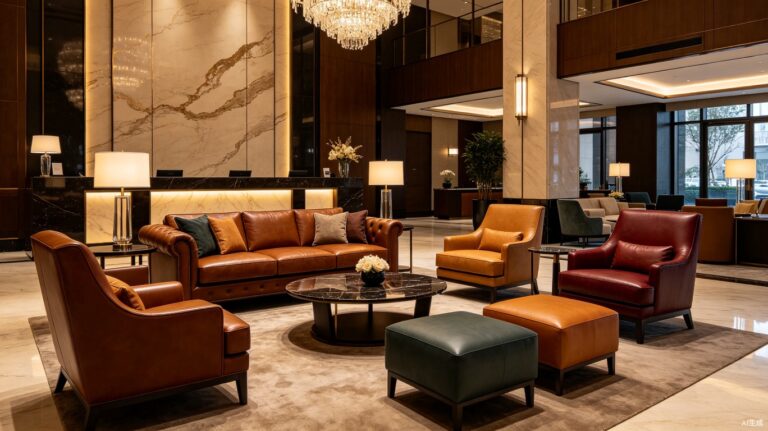
A Tier-1 buyer we work with once approved a seat-cover material from a brochure photo alone. The sample looked right, the price worked, and the line launched on schedule. By year three, the taxi fleet running that trim had cracked covers across the backrest crease. The synthetic leather material had hydrolyzed from the inside out, and the replacement order cost more than the original tooling. The specification never mentioned hydrolysis at all.
This article uses that failure as a lens. It maps the four synthetic material families and the tests that predict year-three behavior. It closes with a matching rule based on program life.
The Seat Program That Failed in Year Three
The post-mortem found nothing exotic. The material was a standard PU sheet with a polyester base, chosen because its abrasion number looked strong on paper. Nobody had asked how the coating behaves after long exposure to heat and humidity. Fleet seating cycles through body heat, moisture, and sunlight every day. Under those conditions, polyester-based PU begins hydrolytic breakdown. The craze pattern in our failed sample matched that process exactly.
The lesson was not “buy a more expensive material.” The lesson was that a synthetic leather material must be selected against its full environment. It cannot be chosen from one test score in a catalog.

Coating chemistry, set on the production line, decides how a material ages.
The Four Synthetic Leather Material Families
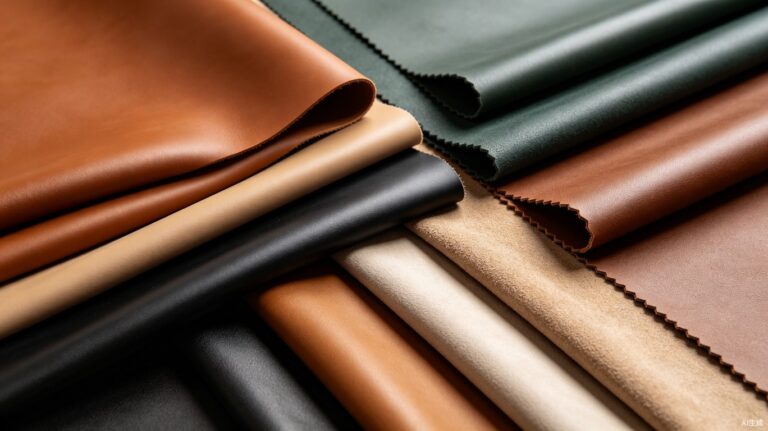
All four families coat a fabric base, but their chemistry ages very differently. PVC relies on plasticizers to stay flexible, and those plasticizers migrate out over time, which stiffens the sheet. PU offers a softer hand and better drape, but standard polyester grades remain vulnerable to hydrolysis. Industry reviews note that polycarbonate PU improves hydrolysis resistance meaningfully, at a higher price point. Microfiber moves the structure into a non-woven fiber network. Silicone coats through a silica-oxygen backbone that does not depend on plasticizers at all:
| Material | Core weakness | Realistic program life | Best fit |
|---|---|---|---|
| PVC vinyl | Plasticizer migration | 2-5 yrs | Budget, high-moisture, easy-clean |
| PU (standard) | Hydrolysis | 3-5 yrs | Cost-balanced furniture, bags |
| Microfiber | Coating still PU-based | 5-10 yrs | Flex-heavy uppers and panels |
| Silicone | Higher initial cost | 10-15 yrs | Fleet, outdoor, medical, child-contact |
Practical guides on vinyl upholstery reach the same conclusion from the PVC side. Water resistance and cleanability are real strengths, and they justify PVC where service life expectations stay short.

Cabin programs combine heat, humidity, and abrasion, so no single test score is enough.
What Automotive Spec Sheets Actually Require
Automotive testing is a useful mirror for every industry, because it refuses single-number thinking. SAE J948 defines abrasion and snagging methods specifically for automotive vinyl and leather. Cabin programs then add their own gates: flex endurance at low temperature, fogging and VOC limits, and flame retardancy. A material can pass one gate and fail the program. Our own hydrolysis-resistant silicone leather guide explains the screening method. An 85°C / 85% RH chamber run reproduces the exact failure mode in the taxi story.

Layer testing against program life keeps quotes comparable across suppliers.
Request Tested Material Samples
Match the Material to the Program Life
The matching rule we give buyers takes one line. Specify the material to outlive the product’s duty cycle, not the warranty period. A two-year promotional chair earns PVC. A five-year restaurant program earns PU, ideally with a documented hydrolysis report. A fleet, marine, or medical program that must reach a decade earns silicone or polycarbonate PU with third-party verification. When buyers ask us to justify a premium quote, we ask for their replacement-cycle history first. The numbers usually close the argument on their own.
That is the point worth repeating: a synthetic leather material is a program-life decision, not a swatch decision. Choose by environment and duty cycle first, then by price. The year-three failure in this story never reaches your fleet.
Frequently Asked Questions
Is silicone leather too expensive for mainstream programs?
Compare it against a replacement cycle, not a price list. Silicone runs higher upfront but spans 10 to 15 years. A program that would re-cover once under PU often breaks even before year six. Our full vs semi silicone leather comparison shows where a partial specification captures most of the gain.
Which single test best predicts year-three failure?
None alone, but hydrolysis resistance comes closest for hot, humid applications. Pair an accelerated aging report with flex endurance at low temperature. Together they cover the two mechanisms behind most field claims we receive.
TOPSUN operates its own coating lines with 500,000 meters of monthly capacity. Our in-house laboratory runs Martindale, flex, peel, and VOC verification on every batch. Export experience spans 30 countries. Samples ship in 7 to 15 days with Pantone and RAL color matching.
References
- Lerega, Types of Faux Leather: Vinyl, PU, Vegan and Bio Alternatives: https://lerega.com/blog/types-of-faux-leather-v…
- Caiwing Leather, 2026 Top 15 Artificial Leather Manufacturers in the World: https://www.caiwingleather.com/top-artificial-l…
- SAE Mobility, Test Methods for Abrasion of Automotive Vinyl and Leather: https://saemobilus.sae.org/topics/materials/lea…
- Eco-Leather, Automobile Upholstery Fabric Manufacturer Guide: https://www.eco-leather.com/automobile-upholste…