The Monday call came from the same brunch spot as always. Third booth this year, same story: the seat fabric wore through where customers slide in and out. The owner had picked that fabric option from a swatch book on looks alone. It photographed beautifully and it failed quietly, one seat at a time.
Most fabric options look identical on a swatch. They diverge the moment real customers, real cleaning crews, and real budgets get involved. This article sorts the common fabric options by what they cost after installation, not what they cost on the invoice.
| Environment | Abrasion Floor | Realistic Service Life | The Hidden Cost |
|---|---|---|---|
| Light domestic | 10,000-15,000 Martindale | 5+ years | Occasional reupholstery |
| General commercial | 20,000-30,000 Martindale | 3-5 years | Mid-life panel swaps |
| Heavy hospitality | 40,000+ Martindale | 2-3 years | Unscheduled downtime |
| Healthcare & food service | 100,000+ Wyzenbeek contract | 10-15 years (silicone) | Cleaning-chemical damage |

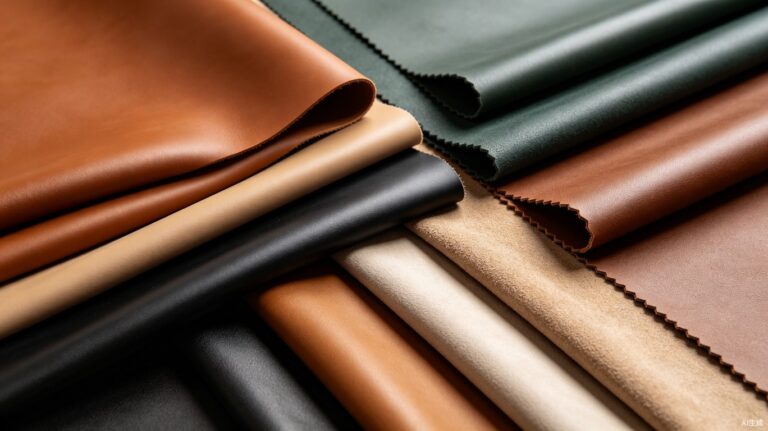
Swatch books hide the differences that show up in service.
The Wear Numbers Behind Fabric Options
Start with the abrasion floor, because it does most of the sorting. Residential upholstery usually carries a Martindale rating between 10,000 and 15,000 rubs. General commercial work asks for 20,000 to 30,000. High-traffic hospitality jumps past 40,000. The Wyzenbeek test tells the same story in double rubs. Heavy-duty residential passes 30,000. True contract grade starts at 100,000. A fabric that misses its floor by half will not fail politely. It fails in front of your customers.
Numbers also expose marketing padding. A vendor who quotes commercial grade without a rub count is selling an adjective. Ask for the test method next to the number. Martindale (ISO 12947) and Wyzenbeek double rubs are the two that matter in furniture work. Both belong on the quotation, not in the brochure.

Weave pattern changes how wear shows on a surface.
What Daily Cleaning Does to Each Option
Cleaning is where fabric options quietly split into two economic classes. Woven fabric tolerates water-based cleaners at best. Many hospitality grades restrict you to mild solvents under Code S or W rules. Bleach wipes, alcohol sprays, and strong deck soap are all off-label. Coated fabrics face that chemistry head-on. Our silicone surfaces hold a Level 5 stain rating and tolerate alcohol-based disinfection. That changes what your cleaning crew can carry on a cart.
Color fastness belongs in the same conversation. Dark woven fabrics can crock, transferring dye onto light clothing in a busy bar. Grade 4-5 fastness is the commercial expectation. Our own guidance lives in the cleaning and maintenance guide. It lists which chemicals are actually safe on a silicone surface.

Stain behavior separates fabric classes faster than any brochure.
Talk to Our Material Specialists
The Replacement Cycle Nobody Budgets For
Replacement cycles are the budget line nobody writes down. Hydrolysis is the main culprit for coated options. PU surfaces typically degrade within three to five years of humid service. The frame underneath is usually still fine. Silicone chemistry does not hydrolyze, and the same cushion skin runs ten to fifteen years in the same environment. That single difference reframes durable fabric options. The question is not which fabric survives the abrasion tester. It is which one ages slower than your business plan.
Chemistry claims deserve a receipts check too. Full-silicone and semi-silicone coatings age very differently, and the difference rarely shows on a swatch. FTIR analysis separates them cleanly: a full-silicone surface shows PDMS peaks only, with no PU carbonyl signature. Our full vs semi silicone comparison walks through that test.

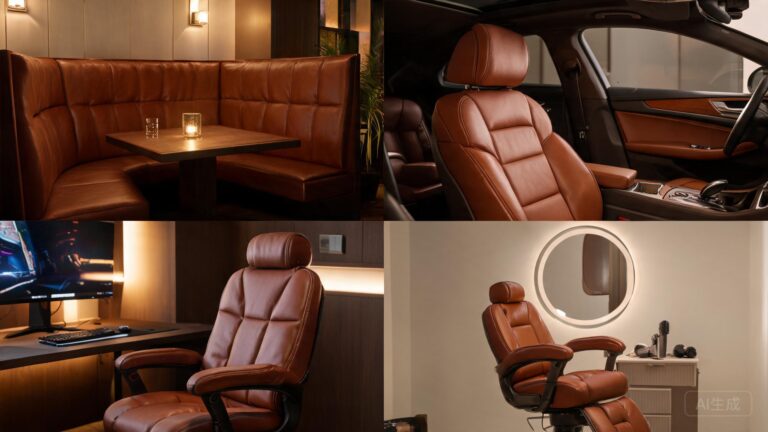
Hospitality seating wears on its own schedule, not the catalog’s.
Where the ten-year cost gap actually comes from.
Matching Fabric Options to Your Environment
Matching is simpler than comparing, if you trust the environment to lead. A reading corner at home can wear mid-range woven cotton with pride. A franchise dining room cannot. High-traffic seating needs the 40,000+ tier, tight weave or coated surface, and a cleaning regime the staff will actually follow. Medical, senior living, and food service add disinfection to the list, which points straight at inherently chemical-resistant coatings.
Our furniture and sofa application page shows those environments mapped to specific constructions, from residential softness to contract-grade Martindale numbers. Browse it with your floor plan in mind. The right fabric options usually reveal themselves when the room, not the catalog, leads the decision.
About TOPSUN
TOPSUN manufactures silicone-coated fabrics for furniture, hospitality, healthcare, and transport programs in 30+ countries. Every order ships with SGS test reports, and third-party inspection from SGS, BV, or TÜV is welcome. Monthly capacity runs at 500,000 meters, with a 500-meter MOQ and 7-15 day delivery.
A Scorecard for Your Next Swatch Meeting
Run your project through this scorecard before you fall in love with a swatch:
| Your Situation | Verdict |
|---|---|
| Home piece, light daily use | Mid-range woven, 15,000+ Martindale, standard care |
| Café or office seating | 20,000-30,000 Martindale, water-based cleaning only |
| Restaurant, bar, lobby | 40,000+ Martindale or 100,000+ Wyzenbeek, coated surface preferred |
| Healthcare, senior living, food service | Silicone-coated fabric, alcohol-safe, documented test files |
The pattern across all four rows is the same. Post-installation cost follows the environment, not the invoice. Buy for the worst week your furniture will see, and the quiet years take care of themselves.
Frequently Asked Questions
What Martindale rating do I need for restaurant seating?
Heavy hospitality seating should exceed 40,000 Martindale rubs. General commercial work lives in the 20,000 to 30,000 band. Anything below that belongs at home, not under paying customers.
Are coated fabrics harder to clean than woven ones?
Usually the opposite. Woven fabric limits you to water-based or mild-solvent cleaning under Code W or S rules. Silicone-coated surfaces tolerate alcohol-based disinfection and hold a Level 5 stain rating, so stronger chemistry is on the menu.
How do I compare quotes that cite different abrasion tests?
Ask the supplier to state the method beside the number. Martindale (ISO 12947) and Wyzenbeek double rubs measure different motions and do not convert directly. A quotation that names method, value, and batch is the only one worth comparing.
Request Furniture-Grade Samples
References
1. https://www.mh-chine.com/blog/products/most-dur… – Heavy-duty residential passes 30,000+ Wyzenbeek double rubs; true contract grade passes 100,000+ (2025)
2. https://www.duomeihome.com/news/industry-news/m… – Martindale bands: residential 10,000-15,000, commercial hospitality 30,000+, heavy duty 40,000+ (2025)