PU is which material? The abbreviation appears on sofa specs, bag linings, and car seat quotations, yet most product pages never define it. Here is the short answer: PU stands for polyurethane, a plastic polymer applied as a coating onto a base fabric, usually polyester or a cotton blend. It contains no animal hide at all. In the next five minutes you will learn what that coating actually is, four checks to verify it, where PU material performs well, and the one weakness that shortens its life.
What Material Is PU, Exactly? The Chemistry in One Paragraph
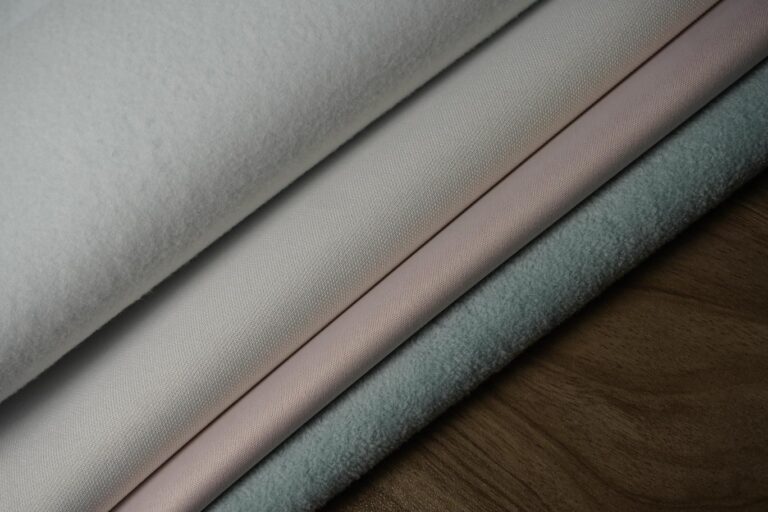
Polyurethane starts as a liquid resin. Manufacturers spread it over a textile base, then cure it into a flexible film. The result is a three-layer sandwich: a clear topcoat for scratch resistance, a pigmented PU film for color and texture, and the base fabric for strength. Because the leather look comes entirely from embossing rollers, the surface pattern repeats in a way real hide never does.
In our coating plant we run the same polyester base fabrics for PU-style and silicone lines. That daily experience tells me the real difference sits in the chemistry you put on top, not in the fabric below. PU chemistry depends on plasticizers to stay soft. Those additives slowly escape, which is why aged PU panels turn stiff and brittle.

Coating chemistry decides how a synthetic leather ages, not the base fabric.
| Layer | What It Is | What It Does |
|---|---|---|
| Topcoat | Clear additive film | Scratch and surface protection |
| Color film | Pigmented polyurethane | Grain pattern, color, texture |
| Base fabric | Polyester, cotton blend, or microfiber | Tensile strength and stability |
PU Leather vs Real Leather: 4 Checks Buyers Can Run
Procurement teams often ask me how to identify PU leather without a lab. Four field checks cover most cases. Look at the grain: real hide shows random, irregular pores, while PU repeats one embossed pattern. Press the edge: leather reveals fibrous strands, PU reveals a smooth plastic cross-section. Touch it: genuine hide feels warm and soft, PU feels cool and slick. Smell it: leather carries an earthy scent, PU smells synthetic. None of these checks needs equipment, and together they settle most disputes on the receiving dock.
There is also a lifecycle difference. Genuine hide biodegrades over decades. PU persists in landfill because it is fundamentally plastic. That contrast matters when your brand makes sustainability claims in EU markets.
Where PU Material Shows Up in B2B Products
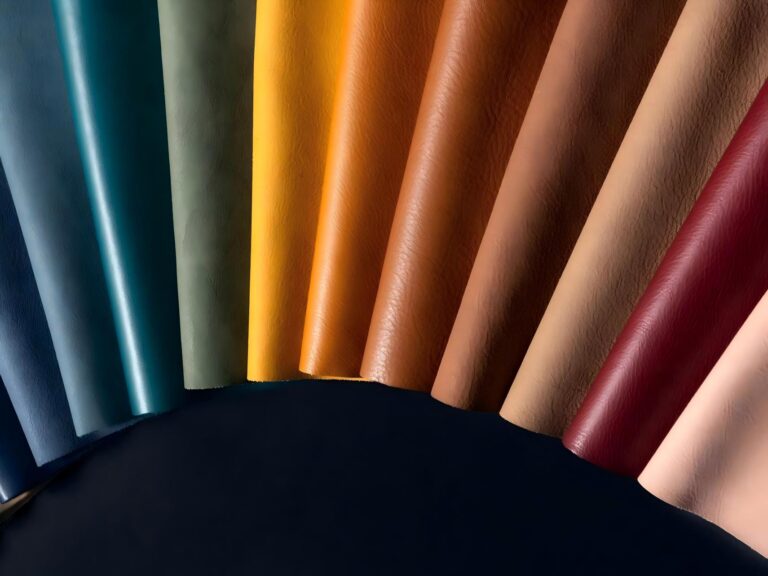
PU coated fabric dominates price-sensitive categories. Furniture makers use it for budget sofas and office chairs, a segment you can review in our furniture upholstery applications. Automotive trim suppliers specify it for headrests and door cards on entry trims. Bag factories rely on it for fashion totes where weight matters more than lifespan.
One of our furniture clients learned the limits the hard way. Their commercial lounge chairs collected warranty claims after two years of daily alcohol-wipe cleaning. We rebuilt the specification around silicone leather, and the same chair design then passed three years of heavy use with no surface failure.

Budget sofa programs are the classic application for PU coated fabric.
If your project sits at the boundary between cost control and durability targets, our engineers can review the duty cycle with you.
Does PU Leather Crack? The Durability Problem
Cracking is the failure mode buyers report most. Hydrolysis slowly breaks the PU polymer chain, especially in humid climates. Plasticizer loss makes the surface stiff, and repeated flexing opens micro-cracks. Industry experience puts typical service life at three to five years before visible peeling starts.
Our own bench data shows what a silicone coating changes. On the Martindale tester, our silicone leather holds at least 200,000 cycles under ISO 12947-2. Hydrolysis resistance rates excellent under ISO 11507. VOC emission reads non-detect under ISO 16000-6, and rated service life exceeds ten years, roughly three times typical PU or PVC.

Martindale bench results separate marketing claims from measurable wear life.
Watch how silicone coating changes the wear story compared with PU and PVC films.
The Silicone Alternative: Same Look, Different Chemistry
Silicone leather swaps the polyurethane film for a silicone polymer coating. With no plasticizers, nothing migrates out, so the surface stays flexible across temperatures from -40°C to 250°C. Production is also solvent-free, which keeps the VOC story clean for indoor and cabin use.
For a deeper chemistry comparison, read our silicone vs PU breakdown. If you want the structural options, our silicone leather introduction covers full-silicone and semi-silicone builds.
Before You Sign: A 5-Point PU Material Checklist
Run these five steps before any contract that specifies PU or its alternatives:
- Ask the supplier to state the coating chemistry and confirm whether plasticizers are present.
- Run the four field checks above on received samples, not showroom pieces.
- Demand abrasion and hydrolysis data: ISO 12947-2 cycles and ISO 11507 rating.
- Request VOC reports per ISO 16000-6 for indoor or cabin programs.
- Order samples and run your own one-week flex test over a chair arm.
PU material is a coating, not a hide. Treat it as a budget-friendly option with a known lifespan, and match it to applications where three to five years of service is acceptable. Where durability targets stretch beyond that, silicone chemistry is the safer specification.
Is PU leather vegan?
Yes. Because PU uses no animal hide, it qualifies as vegan leather. Its footprint comes from fossil-based polymers instead, which is why coating chemistry matters when brands evaluate sustainability claims.
Is PU material waterproof?
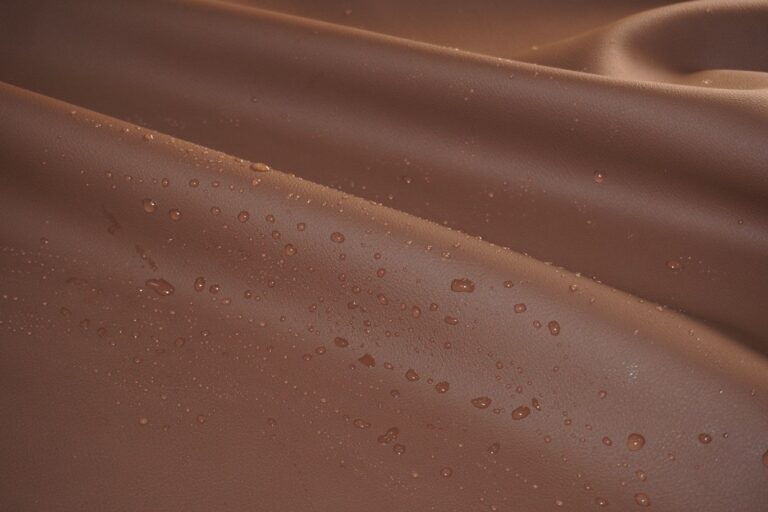
The PU film itself repels water, so spills bead on the surface. The weak points are seams and the coating’s aged state: once hydrolysis cracks the film, moisture reaches the base fabric and delamination follows.
About TOPSUN
TOPSUN manufactures silicone-coated leather for furniture, automotive, baby product, and marine outdoor programs supplying EU and US markets.
In-house coating lines, ISO 10993 and REACH certified formulations, 200,000-cycle Martindale durability, and OEM thickness options from 0.23 mm.
References
1. https://www.eco-leather.com/es/what-is-pu-mater… — PU defined as a polyurethane coating on a polyester or cotton-polyester fabric base, animal-free
2. https://my-bullguard.com/blogs/resources/pu-lea… — PU leather composition and common peeling/cracking failure modes(2025)