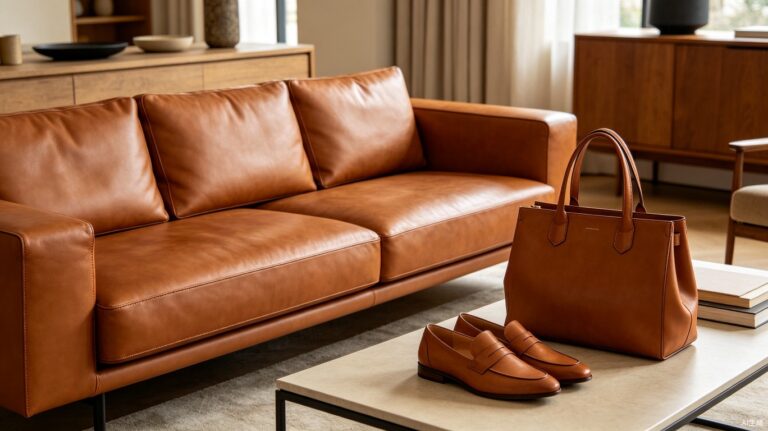
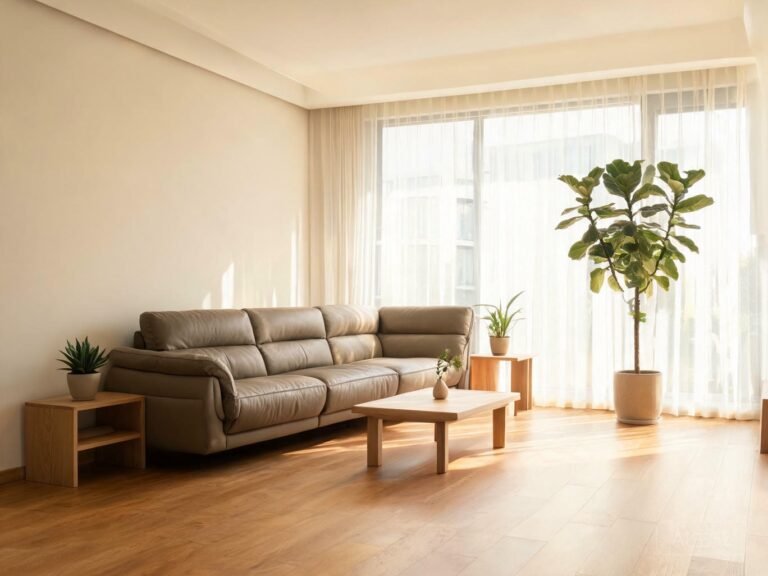
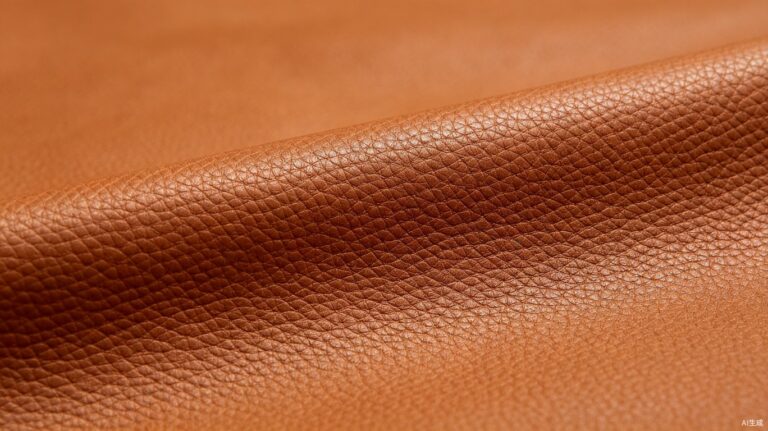
The vegan material market will reach $89.6 billion by 2030 — but 72% of that volume is petroleum-based PU and PVC labeled “vegan.” A material isn’t vegan just because it avoids animal inputs. If it’s made from fossil fuels, emits VOCs during production, sheds microplastics during use, and cracks in 18 months, calling it “vegan” is technically accurate and practically useless. For B2B buyers who need materials that perform across automotive interiors, furniture upholstery, and fashion accessories, the category label matters less than the data behind it. Here’s how the four material vegan categories actually compare — by Martindale cycles, texture retention, and real-world lifespan.

What Is Material Vegan? 4 Categories Defined
The term “material vegan” covers any non-animal-derived material used in place of leather, suede, or hide. But the category splits into four distinct types with radically different performance profiles:
- Petroleum-based (PU and PVC): Polyurethane or polyvinyl chloride coating on a fabric backing. Dominates volume (72% of market) because it’s cheap ($4.60–$23/meter) and mimics leather aesthetics. Service life: 2–5 years. Contains plasticizers, phthalates (in PVC), and solvent residues. Not recyclable.
- Bio-based (cactus, mushroom, apple, pineapple): Plant fibers blended with bio-based or petroleum-based polyurethane binders. Genuine sustainability gains, but performance is still maturing. Limited supplier base, longer lead times, and 60–90% of genuine leather cost. Durability varies widely — some cactus leathers last 4–6 years; others delaminate within 2.
- Recycled-material-based: Recycled PET (rPET) or recycled leather fibers reconstituted with binders. Reduces waste but still contains plastic. GRS certification verifies recycled content. Texture and hand-feel are coarser than virgin materials. Best for applications where sustainability narrative outweighs premium feel.
- Silicone-based: Silicone polymer coating on fabric substrate. Near-zero VOC production via solvent-free dry coating. 100% recyclable. 10+ year lifespan. Premium cost but lowest total cost of ownership over 10 years. The only material vegan category that is both animal-free and fossil-fuel-free in the coating.
In our design studio, we’ve tested 40+ material vegan samples across furniture, automotive, and fashion applications — and the texture gap between PU and silicone closes within six months of real-world use. What starts as a convincing leather imitation in PU becomes a cracked, peeling surface by month 18. Silicone retains its hand-feel and surface integrity year after year.
| Material Type | Base | Texture Options | Martindale Cycles | Lifespan | Recyclability |
|---|---|---|---|---|---|
| PU vegan leather | Petroleum PU on fabric | Smooth, embossed, metallic | 25K–60K | 2–5 years | Limited |
| PVC vegan leather | Petroleum PVC + plasticizers | Stiff, embossed, glossy | 15K–40K | 2–3 years | No |
| Bio-based (cactus/mushroom) | Plant fiber + PU binder | Organic, textured, matte | 20K–50K | 3–6 years | Limited |
| Silicone leather | Silicone polymer on fabric | 100+ textures, custom embossing | 200K+ | 10+ years | 100% recyclable |
Material Vegan Performance: Texture, Feel, and Durability
For designers and specifiers, texture and hand-feel are the first evaluation criteria. PU leather excels here — at initial touch. A well-formulated PU coating on microfiber backing can be difficult for an untrained consumer to distinguish from genuine leather. The surface is warm, pliable, and drapes naturally. This is why PU dominates fashion accessories and mid-range furniture: the first impression sells.
But performance over time tells a different story. PU coatings begin to harden within 12–18 months of UV exposure. The polyurethane binder loses elasticity, micro-cracks form at stress points (seams, corners, flex zones), and the surface begins to peel. By year 3, the once-convincing leather imitation looks like what it is: a plastic coating separating from its fabric backing.
Silicone leather takes a different approach. The silicone polymer doesn’t mimic leather — it matches its functional properties through a fundamentally different chemistry. Silicone’s Si-O backbone is inherently UV-stable (no cracking at 1,000+ hours of UV exposure per ASTM G154), hydrolysis-proof, and flexible from -40°C to 250°C. The texture isn’t a coating that can peel — it’s embossed into the silicone surface during production and remains stable for the material’s entire lifespan.
When I specify materials for furniture collections, I require Martindale test data before approving any vegan material. The ones that pass 100,000+ cycles are almost exclusively silicone or high-grade microfiber. PU samples typically fail between 25,000 and 60,000 cycles — adequate for fashion accessories with 2-year replacement cycles, but insufficient for furniture or automotive interiors expected to last 8–10 years.
Silicone vs PU: The Vegan Material Design Gap
The design gap between silicone and PU material vegan isn’t about initial appearance — both can be embossed with cowhide, pigskin, sheepskin, or custom patterns. Both accept Pantone-matched colors. Both can be produced in matte, semi-gloss, or high-gloss finishes. The gap emerges in three areas that determine long-term design integrity:
Color stability: PU leather’s colorfastness typically rates Grade 3–4 on the ISO 105-B06 scale (moderate to good). Under accelerated UV testing, PU shows visible fading and yellowing within 200–400 hours. Silicone leather rates Grade 4–5 (good to excellent) and shows no fading or yellowing at 1,000+ hours of UV exposure. For automotive interiors and outdoor furniture, this gap means the difference between a material that looks new for 10 years and one that looks aged within 2.
Surface integrity: PU’s coating-to-backing bond is the structural failure point. When the bond fails, the coating delaminates — peeling, cracking, or flaking. This is irreversible and unsightly. Silicone’s coating is chemically bonded to the substrate through a dry coating process that creates a monolithic structure. There is no separate coating to delaminate.
Cleanability: PU’s surface is porous at a microscopic level — liquids penetrate, stains set, and cleaning requires chemical agents that accelerate coating degradation. Silicone’s surface is non-porous. Liquids bead and wipe off. Stains don’t set. The surface can be cleaned with water, bleach, or alcohol disinfectants without any surface degradation — verified under AATCC 127 water resistance testing.

Vegan Material Customization: Colors, Textures, and Embossing
Customization capability is where material vegan sourcing decisions often get made — or stalled. A designer needs a specific texture, a specific color, and a specific finish to match a brand identity. If the supplier can’t deliver, the material is wrong regardless of its sustainability credentials.
Silicone leather offers the broadest customization range in the material vegan category. TOPSUN’s production capabilities include:
- 100+ standard textures — cowhide, pigskin, sheepskin, lychee, pebbled, nubuck, and custom patterns
- Unlimited color options — Pantone matching with Delta E ≤ 1.0 color accuracy and batch-to-batch consistency
- Custom embossing rollers — produced in 7–10 days for bespoke patterns, logos, or brand-specific textures
- Metallic and pearlescent finishes — for luxury fashion and automotive trim applications
- Thickness range 0.23–2.0mm — from ultra-thin phone case covers to marine-grade upholstery
PU suppliers offer similar texture options, but custom embossing runs typically require 3–4 weeks and higher minimum order quantities. Bio-based suppliers (cactus, mushroom) have the most limited customization — texture options are constrained by the natural properties of the plant fiber, and color matching is less precise due to the organic base material’s natural color variation.

Which Vegan Material Fits Your Application?
Application fit should drive material vegan selection — not the other way around. Here’s how the categories map to common B2B applications:
- Automotive interiors: Silicone leather. OEMs require FMVSS 302 flame retardancy, UV stability for dashboard and door panel exposure, and 10+ year lifespan under warranty. PU fails the UV and lifespan requirements. PVC fails on VOC emissions and flame-retardant toxicity. See the full silicone vs PU comparison.
- Furniture upholstery: Silicone leather for premium and contract furniture (10+ year lifespan, 200K+ Martindale). PU for fast-fashion furniture with 2–3 year replacement cycles. Microfiber PU for mid-range where budget constrains but feel matters. Explore furniture applications.
- Fashion accessories: PU dominates here — low cost, wide texture range, and consumers accept 2–3 year lifespan for handbags and wallets. Bio-based (cactus, mushroom) for brands with strong sustainability narratives and premium pricing. Silicone for luxury brands positioning on durability and cleanability.
- Medical and healthcare: Silicone leather exclusively. ISO 10993-5 biocompatibility, hypoallergenic, intrinsic antimicrobial properties, and sterilizable by EtO or Gamma. PU and PVC cannot meet medical-grade requirements. See medical applications.
- Marine and outdoor: Silicone leather. Salt-spray resistance (1,000+ hours per ISO 9227), UV stability, hydrolysis-proof, and temperature range -40°C to 250°C. PVC cracks within 2 years of UV and salt exposure. PU delaminates in 3–5 years.
TOPSUN manufactures silicone-coated vegan material with 100+ textures, unlimited Pantone-matched colors, and custom embossing rollers in 7–10 days for automotive, furniture, fashion, and consumer electronics applications. With ISO 10993-5 biocompatibility, REACH compliance, FDA food-contact certification, and 200,000+ Martindale abrasion cycles verified by SGS and Intertek, TOPSUN delivers design-grade material vegan performance across 7 product collections from 0.23mm ultra-thin electronics covers to 2.0mm marine-grade upholstery. Learn more about silicone leather technology or browse our vegan leather durability test results.
Silicone is the only material vegan category that delivers on every promise — animal-free, fossil-fuel-free in the coating, Near-zero VOC in production, and built to last 10+ years. The data speaks. Request samples and judge the texture for yourself.
Video: TOPSUN silicone leather texture variety overview
FAQ
Which material vegan type offers the most texture and color customization?
Silicone leather offers the broadest customization: 100+ standard textures (cowhide, pigskin, sheepskin, lychee, custom patterns), unlimited Pantone-matched colors with Delta E ≤ 1.0 accuracy, custom embossing rollers produced in 7–10 days, and metallic/pearlescent finishes. PU offers similar texture variety but longer custom embossing lead times (3–4 weeks). Bio-based materials have the most limited customization due to natural fiber constraints.
How does silicone leather compare to plant-based vegan materials for durability?
Silicone leather achieves 200,000+ Martindale abrasion cycles and 10+ year lifespan. Plant-based materials (cactus, mushroom) typically test at 20,000–50,000 Martindale cycles with 3–6 year lifespans. The gap stems from structural chemistry: silicone’s Si-O backbone is inherently UV-stable and hydrolysis-proof, while plant-based fibers blended with PU binders inherit the same delamination risk as conventional PU. For applications requiring 8+ year durability, silicone is the only material vegan category that consistently meets the threshold.
Related reading: vegan leather material guide, vegan leather durability comparison, silicone leather introduction