In a chrome tannery in Kanpur, India — the city that processes 30% of the world’s leather — a worker dips hides into a blue-green chromium sulfate solution. By the time the tanning process is complete, 40,000 liters of chromium-laden wastewater will have been generated from a single day’s production. This is how most products made by leather begin their lifecycle. And it’s why B2B buyers are asking a different question: not “where is this leather from?” but “was tanning necessary at all?”

| Production Stage | Chrome Tanning (90% of leather) | Vegetable Tanning (10%) | Silicone Leather (tanning-free) |
|---|---|---|---|
| Raw material | Animal hide | Animal hide | Silicone polymer + fabric |
| Tanning agent | Chromium(III) sulfate | Plant tannins (quebracho, oak) | None — solvent-free dry coating |
| Wastewater | 40K L/day, heavy-metal laden | Organic, treatable | Near-zero |
| Service life | 5–10 years | 10–15 years | 10+ years |
Made by Leather: Chrome vs Vegetable Tanning Explained
Products made by leather go through four stages: beam house (cleaning, de-hairing, fleshing), tanning (stabilizing the hide), re-tanning and dyeing (color and softness), and finishing (coating and embossing). The tanning stage is where environmental and compliance risks concentrate — and where the material’s fate is sealed.
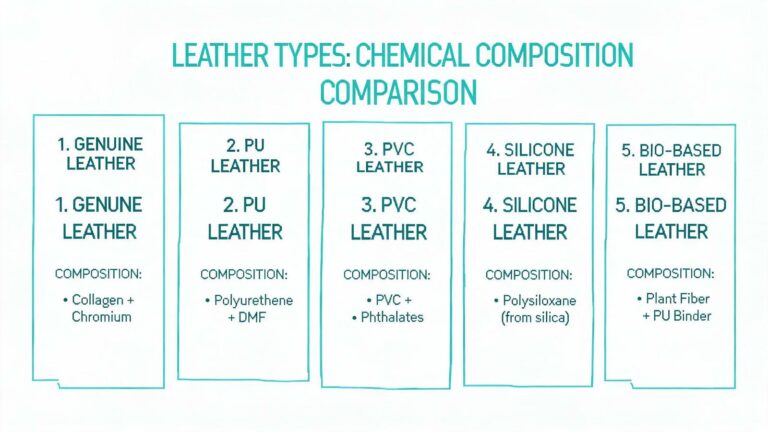
Chrome tanning uses chromium(III) sulfate to crosslink collagen fibers. It’s fast (24–48 hours), produces soft leather with bright colors, and accounts for 85–90% of global production. But it generates heavy-metal wastewater, and if conditions drift during processing, Cr(III) can oxidize to Cr(VI) — a known carcinogen restricted under REACH Annex XVII and California Proposition 65. Vegetable tanning uses plant-derived tannins and takes 4–6 weeks. It’s cleaner but produces firmer, heavier leather with limited color range — unsuitable for automotive interiors requiring soft, flexible upholstery.
In our factory visits to chrome tanneries across South Asia, I’ve seen the wastewater treatment systems that are supposed to capture chromium — and the gaps where untreated effluent reaches local waterways. The chrome tanning process isn’t going away, but the compliance net is tightening.
The Compliance Gap in Made by Leather Products
When we evaluate materials for upholstery replacement programs, the tanning method matters more than the grain pattern. A chrome-tanned hide might look identical to a vegetable-tanned one, but the compliance profile is fundamentally different. EU REACH restricts Cr(VI) to 3 mg/kg in leather articles contacting skin. The ZDHC Wastewater Guidelines impose limits on chromium discharge. LWG (Leather Working Group) certification audits tannery environmental management — but certification rates remain under 35% globally. For B2B buyers, this means most made by leather products carry undocumented compliance risk.

Silicone Leather: Made Without Tanning
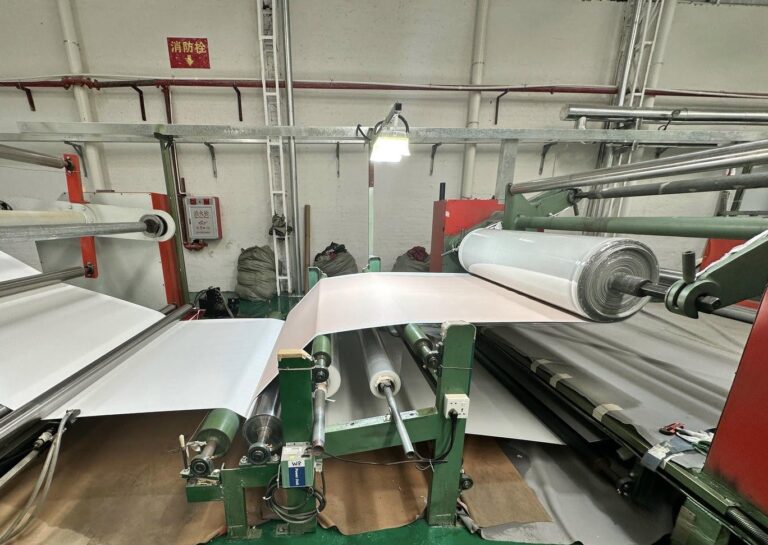
Silicone leather eliminates the entire tanning process. Instead of converting animal hide, it applies a silicone polymer coating to a fabric substrate through a solvent-free dry coating process. No animal inputs, no chromium, no tannins, no heavy-metal wastewater. The result: a material that delivers leather-like durability (200,000+ Martindale cycles, 10+ year lifespan) without inheriting any of the tanning compliance burden. REACH, RoHS, FDA 21 CFR 177.2600, and ISO 10993-5 biocompatibility certifications apply directly to the finished material — no tannery audit required. See how TOPSUN manufactures silicone leather or compare silicone vs PU production methods.
TOPSUN manufactures silicone leather that replaces the traditional made by leather tanning process with a solvent-free dry coating method for automotive, furniture, medical, and consumer applications. With 60,000+ m² production facilities across three locations, 500,000+ meters monthly capacity, and REACH, FDA, and ISO 10993 certifications, TOPSUN delivers tanning-free leather alternatives verified by SGS and Intertek. Learn more about silicone leather technology.
| Material | Compliance Risk | Environmental Impact | B2B Verdict |
|---|---|---|---|
| Chrome-tanned leather | High — Cr(VI), ZDHC, LWG | Heavy — wastewater, livestock emissions | Avoid for new specs |
| Vegetable-tanned leather | Low — organic tannins | Moderate — livestock + water use | Acceptable for heritage goods |
| Silicone leather | None — no tanning, no chromium | Minimal — solvent-free, recyclable | Recommended for all new B2B specs |
FAQ
What’s the difference between chrome tanned and vegetable tanned leather?
Chrome tanning uses chromium(III) sulfate, takes 24–48 hours, produces soft leather with bright colors, and accounts for 85–90% of global production — but generates heavy-metal wastewater. Vegetable tanning uses plant tannins (quebracho, oak bark), takes 4–6 weeks, produces firmer leather with limited colors, and is biodegradable with organic wastewater.
Can silicone leather replace traditionally made leather in automotive applications?
Yes. Silicone leather meets FMVSS 302 flame retardancy, achieves 200,000+ Martindale cycles, resists UV for 1,000+ hours, and operates from -40°C to 250°C — exceeding chrome-tanned leather’s performance in automotive interiors. OEMs including Volvo, BMW, and BYD have adopted silicone leather for cabin upholstery.
Video: TOPSUN silicone leather manufacturing process overview
Related reading: what is leather made of, leather manufacturers guide, silicone leather introduction