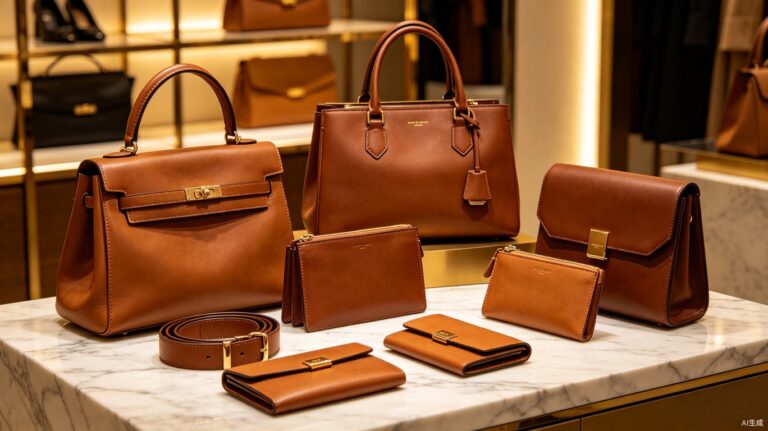
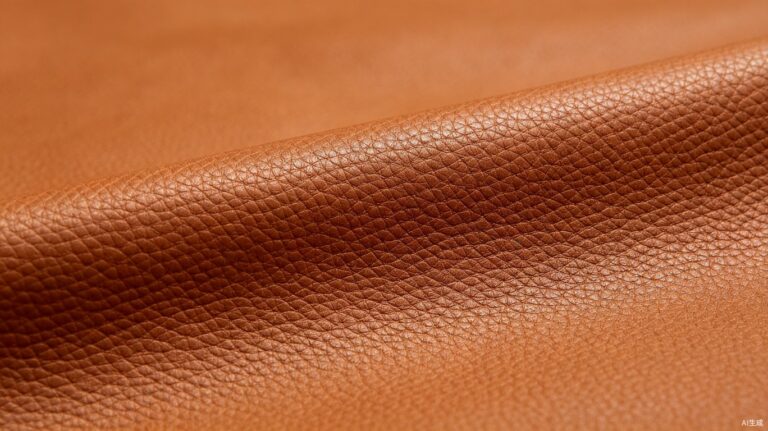
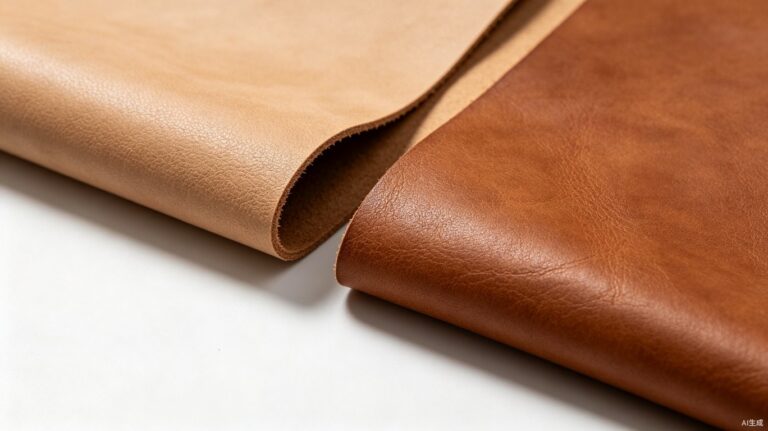
What vegan leather is made of depends entirely on who you ask. A marketing team will say “not animal skin.” A PETA certification confirms that single attribute. But a supply chain auditor digs deeper — and what they find is that 90% of vegan leather on the market is PU-coated polyester, made from petroleum-derived diisocyanates and polyols, processed with DMF solvent, and backed with synthetic textile. The global vegan leather market reached $48.97 billion in 2025, yet most B2B buyers specifying “vegan leather” cannot answer a basic question: what is this material actually made of? This article traces four base chemistries from raw material to finished roll, documenting what the supply chain audit reveals at each stage.
Request Material Composition Audit Kit
What Vegan Leather Is Made Of: The 4 Base Chemistries
Vegan leather is made of four distinct base chemistries, each with a completely different raw material trail. Understanding these trails is the first step in supply chain transparency. The table below maps each chemistry from raw input to finished material — and what the audit reveals.
| Base Chemistry | Market Share | Raw Materials | Hidden Chemicals | Audit Risk |
|---|---|---|---|---|
| PU (Polyurethane) | ~55% | Petroleum diisocyanates, polyols, polyester fabric | DMF (0.3-1.0%) | High |
| PVC (Polyvinyl Chloride) | ~5% | Chlorine (57%), phthalates, lead stabilizers | Phthalates (30-40%) | High |
| Plant-Based | ~4% | Cactus, apple, pineapple, mycelium + PU binder | PU binder residue | Medium |
| Silicone | ~1% | Silicone resin, polyester base fabric | None | Low |
The supply chain audit reveals that “vegan” is a binary attribute — either the material contains animal products or it doesn’t. It tells you nothing about chemical safety, environmental impact, or durability. A PU leather with 1% residual DMF is vegan. A PVC leather with 35% phthalate plasticizers is vegan. Both carry supply chain risks that a single-word label cannot capture.
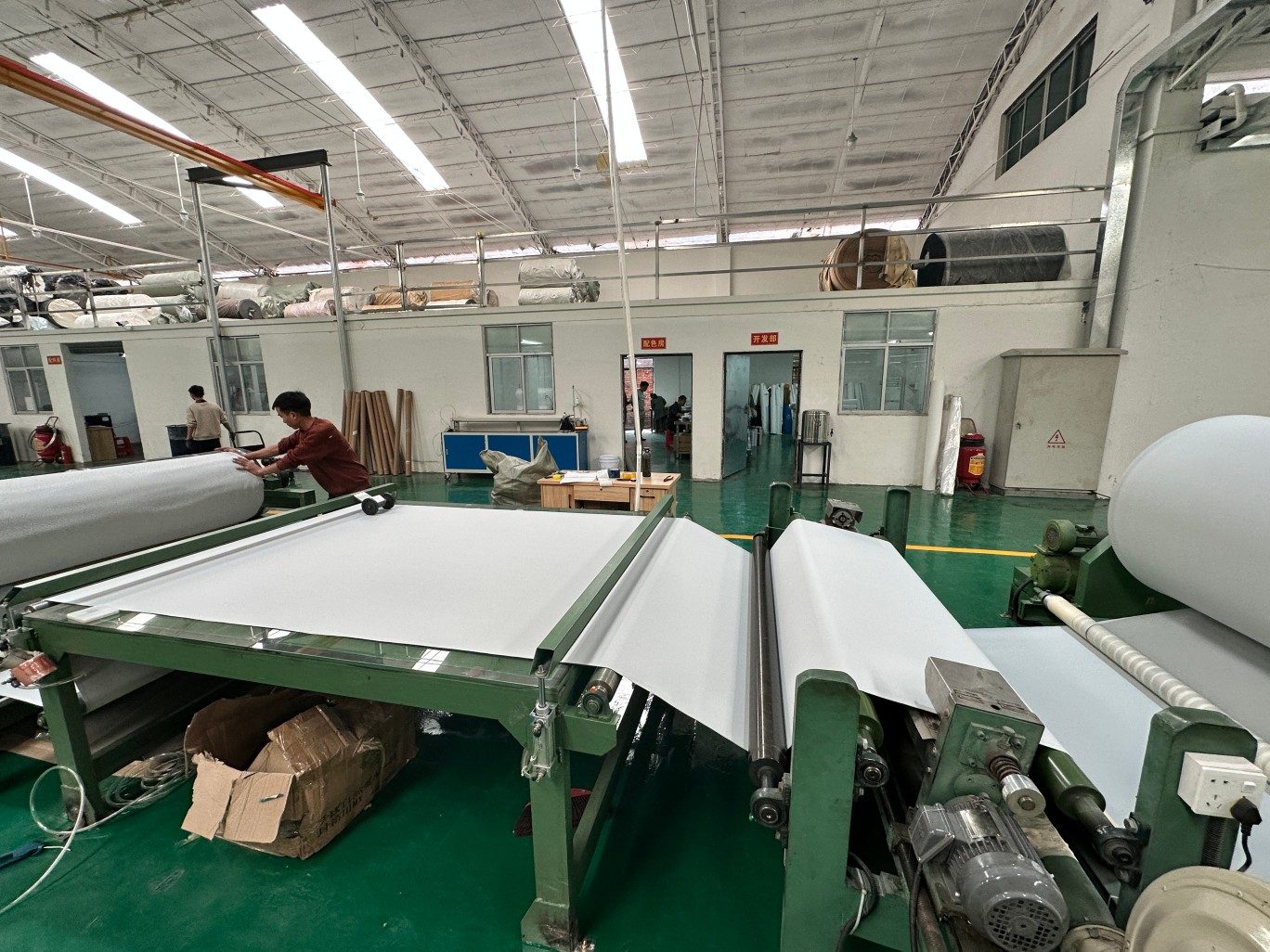
Base fabric unwinding and leveling machine — the starting substrate that PU, PVC, and silicone coatings are applied to.
The Supply Chain Reality Behind ‘Vegan’ Labels
A procurement team at a European furniture brand asked us to audit their vegan leather supply chain last year. They had been sourcing PU leather from a Guangzhou supplier for three years, with PETA-Approved Vegan certification on file. The audit revealed three gaps the certification didn’t cover.
First, the DMF concentration in production-run samples measured 0.7% — above the REACH Annex XVII Entry 76 threshold of 0.3%. The PETA certification verified no animal ingredients but did not test for DMF. Second, the polyester base fabric was sourced from a separate supplier with no chain-of-custody documentation. Third, the supplier’s facility used a solvent-based wet process with no water recycling system — meaning DMF was discharged into wastewater at concentrations above Chinese regulatory limits.
This is the supply chain reality behind “vegan” labels. The material audit process must go beyond animal-free declarations to include chemical composition testing, chain-of-custody documentation, and manufacturing process verification. Without these layers, a PETA certification is a marketing asset, not a procurement safeguard.
PU and PVC: What’s Actually In Your Vegan Leather
When we say vegan leather is made of PU, we’re describing a multi-layer composite: a polyester or nylon textile backing, coated with a polyurethane layer made from petroleum-derived MDI (methylene diphenyl diisocyanate) and polyols, processed using DMF as the primary solvent. The PU layer is what gives the material its leather-like texture and appearance. The DMF is what creates the compliance risk.
PVC vegan leather is a different composite: the same textile backing, coated with a polyvinyl chloride layer that contains 57% chlorine by weight and 30-40% phthalate plasticizers. These plasticizers — DINP, DEHP, DBP — are physically blended into the PVC, not chemically bonded. They migrate to the surface over time, off-gas into indoor air, and are listed under California Prop 65. When B2B buyers ask what their vegan leather is made of, these are the answers the supply chain audit should surface.

Release film roller on coating line — where the PU or PVC surface layer is formed before lamination to base fabric.
Plant-based leathers present a different audit challenge. Cactus leather (Desserto), apple leather (AppleSkin), and pineapple leather (Pinatex) all replace 30-80% of petroleum content with agricultural waste. But they still rely on PU binders for structural integrity. The vegan leather is made of both plant fiber and polyurethane — and the PU binder carries the same DMF and VOC risks as conventional synthetic leather. Mycelium leather (Mylo) faces the same issue: the mycelium substrate is bio-based, but the protective coating is polyurethane.
For B2B buyers, the chemistry behind artificial leather names reveals what marketing labels conceal. The question isn’t whether the material is vegan — it’s what the non-vegan components look like, and whether they pass the compliance standards your market enforces.
Silicone Leather: The Only Composition Without Hidden Chemicals
Silicone leather is the only vegan leather chemistry where the supply chain audit finds nothing hidden. The material is made of silicone resin (derived from silica, the second most abundant element on Earth) applied to a polyester knitted base fabric, using a solvent-free dry coating process. There is no DMF. There are no phthalates. There is no PU binder layer. The composition is fully declared and independently verified through ISO 10993 biocompatibility testing, REACH compliance, and FDA 21 CFR 177.2600 food-contact certification.
The silicone leather market was valued at $1.48 billion in 2025, growing at 7.8% CAGR to reach $2.98 billion by 2034. This growth is driven by B2B sectors that require both material transparency and long-term performance: automotive interiors, medical upholstery, hospitality seating, and consumer electronics. The cost premium — 20-30% higher than conventional PU — is offset by a 10+ year service life versus PU’s 3-7 years, eliminating replacement cycles and warranty exposure.
What the Audit Finds: Silicone vs Other Vegan Leathers
PU leather: DMF residue above REACH threshold, petroleum-derived raw materials, solvent-based process, no chain-of-custody for base fabric.
PVC leather: Phthalate plasticizers at 30-40% weight, lead stabilizers, chlorine off-gassing, Prop 65 listed substances.
Plant-based: PU binder layer with DMF risk, agricultural batch variation, limited durability data, supply constraints.
Silicone leather: Zero DMF, zero phthalates, solvent-free process, full chain-of-custody, ISO 10993 and FDA certified. OEKO-TEX Standard 100 compliant for harmful substance verification.

Faux leather swatch color palette — what vegan leather is made of determines how it performs, ages, and complies.
Material Audit Checklist: What to Ask Your Supplier
After auditing vegan leather supply chains across 40+ suppliers, we’ve distilled the procurement process into a checklist that surfaces what vegan leather is made of — beyond the marketing label. Every B2B buyer should require these documents before placing a first order.
1. Chemical composition test report: Request ISO 16000-6 VOC emission data and REACH SVHC test results. If the supplier cannot provide DMF concentration data, the material is solvent-based PU with compliance risk.
2. Chain-of-custody documentation: Trace the base fabric, coating resin, and process chemicals to their origin. Suppliers who hold no stock and cannot supply technical documentation — a common pattern in regional trade — should be disqualified.
3. Manufacturing process declaration: Solvent-based wet process or solvent-free dry process? Water-based PU or conventional PU? The answer determines whether the material carries VOC and wastewater risks. REACH compliance documentation must reference the actual production process, not just the finished material.
4. Third-party certification stack: PETA-Approved Vegan is a declaration, not an audit. Require material quality benchmarks backed by OEKO-TEX Standard 100, GRS, or ISO 10993 — certifications that test for harmful substances independently.
5. Batch-to-batch consistency data: Delta E color accuracy, Martindale abrasion results, and tensile strength data from at least three production batches. Suppliers who cannot provide batch data cannot guarantee consistency across a multi-thousand-meter order.
The verdict is clear. When a B2B procurement team asks what vegan leather is made of, the answer must come from supply chain documentation — not from a marketing label. PU leather is made of petroleum polymers and DMF solvent. PVC leather is made of chlorine and phthalate plasticizers. Plant-based leather is made of agricultural fiber bound with polyurethane. Only silicone leather is made of a fully declared, independently verified, solvent-free composition that passes every audit without exception.
About TOPSUN
TOPSUN manufactures silicone leather using a solvent-free dry coating process at 60,000+ m² production facilities. Our materials are made of silicone resin and polyester base fabric — no DMF, no phthalates, no PU binders, no hidden chemistry. Every order ships with REACH compliance documentation, ISO 10993 biocompatibility certification, and FDA 21 CFR 177.2600 food-contact certification, providing B2B buyers with a fully auditable supply chain from raw material to finished roll.