When a specifier writes “LWG-certified leather” into a product spec sheet, they’re invoking the Leather Working Group — a non-profit founded in 2005 by adidas, Nike, IKEA, and Clarks to audit tanneries on environmental performance. Over a third of global finished leather production is now assessed using LWG standards. But here’s what most spec sheets don’t mention: the gap between Bronze and Gold ratings can cost B2B buyers more in rework, rejected shipments, and brand-risk exposure than the price difference itself. And for manufacturers working with silicone leather — the working leather group framework doesn’t even apply. Let’s unpack what that means for your next specification.
What Is the Working Leather Group? Certification Explained
The Leather Working Group is a global multi-stakeholder organization that audits leather manufacturers on environmental performance — water usage, energy consumption, chemical management, waste handling, and supply chain traceability. Founded by major brands to standardize environmental accountability across their leather supply chains, LWG has become the default certification that B2B buyers reference when specifying leather materials.

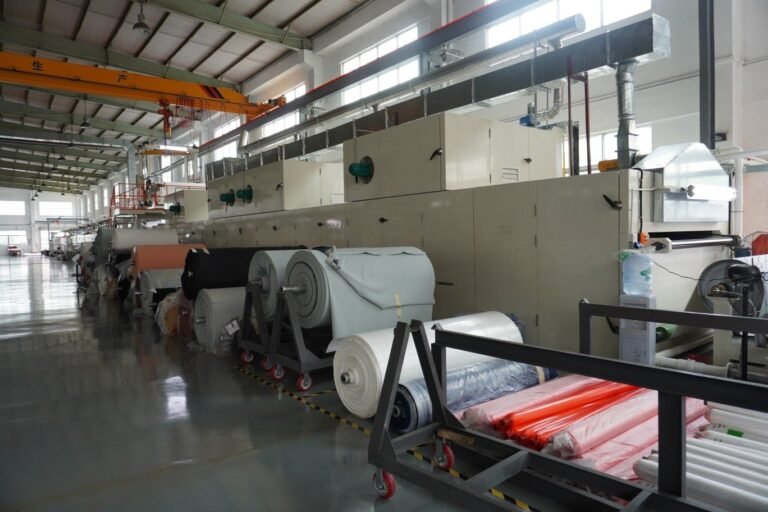
Factory workshop displaying quality and environmental safety compliance standards
What is leather working group certification in practice? It’s a 2-day on-site audit covering four core areas: environmental compliance (the heaviest scoring section), manufacturing process documentation, traceability, and emergency management. Audits are conducted by LWG Assurance Services-approved auditors only. A tannery that passes receives a Gold, Silver, or Bronze rating — and that rating determines which brands and retailers will accept their leather.
In our experience working with brands transitioning from genuine leather to silicone leather, the most common frustration isn’t LWG itself — it’s the audit cycle. A tannery can spend 6-9 months preparing for re-audit, and a dropped rating (Gold to Silver) immediately disqualifies them from premium brand supply chains. For specifiers, this means a supplier’s LWG rating today doesn’t guarantee the same rating next quarter.
Gold vs Silver vs Bronze: What Each Rating Means
The leather working group Gold Silver Bronze rating system isn’t just a badge — it represents quantitatively different environmental performance levels that directly affect supply chain risk:
| Rating Level | Environmental Score | Energy Requirement | Traceability | B2B Acceptance |
|---|---|---|---|---|
| Gold | ≥85% | 60% clean energy by 2027 | Full chain | All premium brands |
| Silver | 70-84% | 60% clean energy by 2027 | Substantial | Most brands |
| Bronze | 55-69% | No mandate | Basic | Budget brands only |
| Not Certified | Unknown | N/A | Unverified | Rejected by major retailers |
| Silicone (LWG-exempt) | Zero-VOC process | Solvent-free | No hide traceability needed | Growing acceptance |
Here’s the paradox: sourcing LWG-certified leather typically adds 10-25% to material cost. But Bronze-rated leather — the cheapest certified option — is rejected by premium brands like Patagonia and increasingly by mid-tier retailers tightening their sustainability requirements. So you pay a certification premium for a rating that limits your market access. That’s how Bronze ends up costing more than Gold when you factor in lost contracts and re-sourcing. For more on silicone leather as a specification alternative, the performance data tells a different story.
Why Working Leather Group Bronze Costs More Than Gold
The leather working group environmental performance gap between Bronze and Gold isn’t abstract — it translates to real procurement costs that specifiers rarely calculate upfront:
1. Market access: Bronze-rated tanneries are progressively locked out of premium and mid-tier brand supply chains as sustainability requirements tighten. A specifier who sources Bronze leather today may need to re-source to Silver or Gold within 12-18 months.
2. Rating volatility: Bronze facilities face the highest risk of losing certification entirely during re-audit, because they have the least buffer above the minimum threshold. A failed re-audit means immediate disqualification — and emergency re-sourcing at premium prices.
3. Downstream compliance: Bronze leather may meet LWG thresholds today, but CSDDD and EUDR requirements are tightening faster than LWG audit cycles. A material that passes LWG Bronze can still fail EU regulatory compliance — leaving the specifier holding non-compliant inventory.

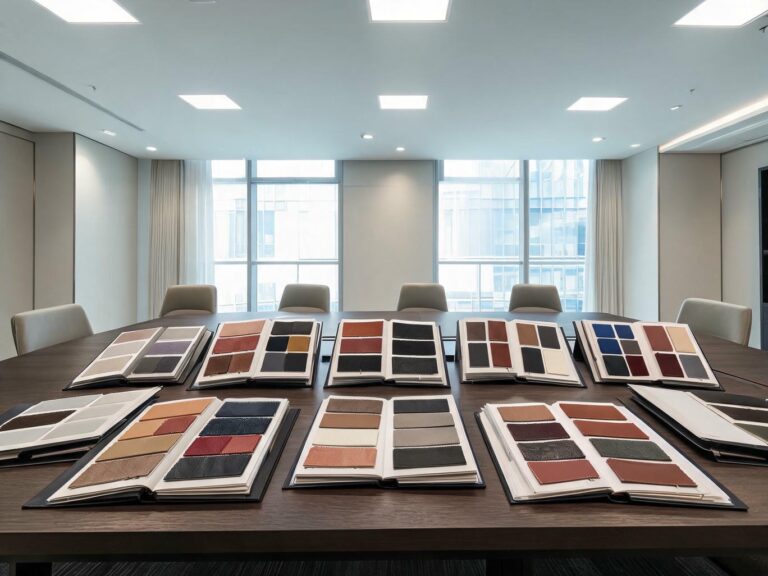
Physical testing laboratory equipment used for leather quality and performance verification
The LWG-Exempt Alternative: Silicone Leather
Here’s where the specification landscape shifts. Silicone leather isn’t animal-derived — it’s a silicone-coated fabric produced through a solvent-free dry coating process. The leather working group supply chain transparency requirements for hide traceability simply don’t apply because there are no hides to trace. No cattle, no deforestation, no EUDR geolocation requirements.

Quality inspection process demonstrating environmental and performance compliance standards
But LWG-exempt doesn’t mean unregulated. TOPSUN’s silicone leather is verified to eco-friendly silicone leather standards including REACH compliance, FDA 21 CFR 177.2600 food-contact certification, ISO 10993-5 biocompatibility, and zero-VOC emissions per ISO 16000-6. The compliance burden shifts from “proving your hides didn’t cause deforestation” to “proving your manufacturing process is clean” — which is a simpler, more verifiable proposition.
One of our automotive OEM clients switched from LWG Gold-rated genuine leather to silicone leather for EV interior door panels. The specification change eliminated EUDR traceability documentation (saving 3 weeks per shipment), reduced VOC testing requirements (silicone is inherently zero-VOC), and increased Martindale durability from 50,000 to 200,000+ cycles — all while removing the LWG audit dependency from their supply chain risk matrix.
How to Specify Materials Without Working Leather Group Compliance
For specifiers evaluating LWG-exempt alternatives for LWG certified leather sourcing, here’s what to document in your specification:
1. Material composition: Silicone-coated fabric — verify solvent-free dry coating process
2. VOC emission test: ISO 16000-6 or VDA 277 — result must be zero or near-zero
3. Chemical compliance: REACH, RoHS, PAHs (AfPS GS 2019:01) — all must pass
4. Durability data: Martindale 200,000+ cycles (ISO 12947-2) — outperforms Gold-rated leather
5. Sustainability credentials: 100% recyclable, no animal hide sourcing, no deforestation risk
For more on leather certification standards and how they compare across material types, our certification guide breaks down each framework. Or review our leather quality inspection protocols for supplier audit checklists.
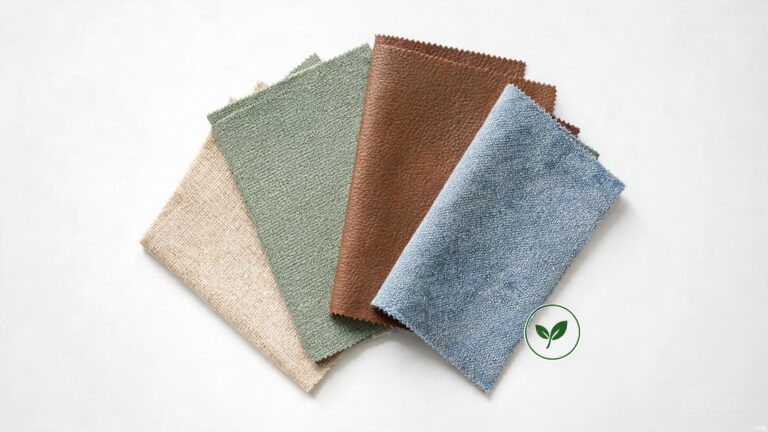
Eco-certifications overview — how silicone leather compliance compares to LWG-certified leather
Frequently Asked Questions
Does silicone leather need LWG certification?
No. The Leather Working Group audits facilities that process animal hides into leather. Since silicone leather is a silicone-coated fabric produced through a solvent-free dry coating process — with no animal hide sourcing — it falls outside LWG’s audit scope entirely. Instead, silicone leather is verified through chemical compliance certifications (REACH, RoHS), environmental certifications (zero-VOC per ISO 16000-6), and biocompatibility standards (ISO 10993-5), which together provide a more direct and verifiable sustainability pathway than LWG’s tannery-focused framework.
What’s the difference between LWG Gold and Bronze ratings?
Gold-rated tanneries score 85%+ on environmental performance audits, with full supply chain traceability and a mandate to achieve 60% clean energy by 2027. Bronze-rated facilities score 55-69%, with only basic traceability and no clean energy mandate. In practice, Gold-rated leather is accepted by all premium brands, while Bronze-rated leather is increasingly rejected by mid-tier and premium retailers — meaning the cost premium for Gold often pays for itself through broader market access.
Specifying Beyond the Working Leather Group Framework
The working leather group framework was built for a leather industry that’s being reshaped by regulation, sustainability mandates, and material innovation. For B2B specifiers, the strategic question isn’t just “which LWG rating should I require?” — it’s “does my material need LWG certification at all?” Silicone leather bypasses the LWG audit cycle entirely while delivering zero-VOC manufacturing, 200,000+ Martindale cycles, and compliance with REACH, FDA, and ISO 10993 standards. For brands looking to de-risk their leather supply chain against EUDR, CSDDD, and PFAS regulations simultaneously, that’s a specification worth writing.
Request LWG Comparison Samples
About TOPSUN
TOPSUN manufactures LWG-exempt silicone leather for B2B specifiers seeking certified-grade environmental performance without the compliance burden of animal leather supply chain audits.
Zero-VOC solvent-free process verified to REACH and FDA 21 CFR 177.2600 | 200,000+ Martindale cycles outperforming Gold-rated genuine leather | 100% recyclable with no animal hide traceability requirements | ISO 10993-5 biocompatibility certified