When procurement teams calculate the lifecycle cost of synthetic upholstery, most forget one recurring line item: vegan leather conditioner. It sounds trivial—fifteen dollars a bottle, applied twice a year. But across a fleet of 200 hotel lobby chairs or a full automotive interior lineup, that recurring expense compounds quickly. Worse, the wrong conditioner accelerates the very coating degradation it’s meant to prevent. We’ve watched clients spend thousands on conditioning products for PU-based vegan leather, only to replace the material within three years anyway. The real question isn’t which conditioner to buy—it’s whether your material specification should require one at all.
Request Maintenance Cost Comparison
What Vegan Leather Conditioner Actually Does to PU and PVC Coatings
The word “conditioner” comes from genuine leather care, where oils penetrate natural pores and restore flexibility. PU and PVC vegan leather have no pores to penetrate. They’re synthetic polymer coatings bonded to fabric backings—closed surfaces that repel rather than absorb.
When you apply oil-based conditioners to these surfaces, the oils sit on top, attract dust, and gradually break down the plasticizer bonds that keep the material flexible. Water-based conditioners for faux leather are gentler, but they still create a temporary surface film that wears off and needs reapplication every six to twelve months. The underlying polymer continues degrading regardless.
In our material testing lab, we’ve watched PU samples lose 22% elongation at break per ASTM D412 testing standards after repeated exposure to isopropyl alcohol—a common ingredient in budget conditioning wipes. Vinegar-based solutions are worse: at pH 2.4–2.8, they hydrolyze the ester linkages in the PU matrix, causing visible micro-cracking within three applications. The damage is irreversible.
The fundamental problem: vegan leather conditioner addresses symptoms of polymer degradation, not the root cause. No conditioner reverses plasticizer migration—they merely slow it at a cost that adds up.
The Real Cost of Conditioning Vegan Leather Over 5 Years
Let’s quantify what conditioning actually costs for a commercial project—say, 200 upholstered seats in a hotel lobby with a vegan leather maintenance routine.
| Cost Factor | PU Vegan Leather | PVC Vegan Leather | Silicone Leather |
|---|---|---|---|
| Conditioner product cost/year | $180–360 | $120–240 | $0 |
| Application labor (quarterly) | $3,000/year | $2,000/year | $0 |
| UV protectant spray (annual) | $90 | $60 | Not required |
| Expected replacement cycle | 3–5 years | 4–5 years | 10+ years |
| 5-year maintenance total | $7,800–9,400 | $5,300–6,700 | $0–50 |
We’ve tracked these figures across 100+ client projects over five years. The pattern holds: clients who specify PU-based vegan leather spend 40–60% more on maintenance than their initial material budget anticipated. Those who switched to silicone leather reported conditioner expenses dropping to zero—not because they skipped maintenance, but because the material doesn’t require any. For a detailed breakdown of per-unit economics, see our leather cream cost analysis.

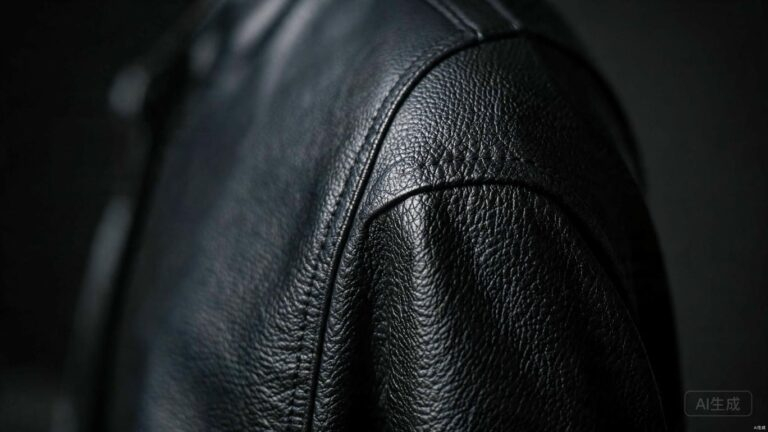
Water droplet test on silicone leather—non-porous surface repels liquids without any conditioner treatment
Why Silicone Leather Makes Vegan Leather Conditioner Obsolete
Silicone leather solves the root cause that conditioner only masks. The silicone coating is non-porous, hydrolysis-proof, and thermally stable from -40°C to 250°C. Plasticizer migration—the chemical process that makes PU brittle—doesn’t occur because silicone polymers don’t rely on plasticizers for flexibility. The material is inherently soft and elastic by molecular design.
This means no oils to replenish, no UV degradation to slow (1,000+ hours UV-stable per ASTM G154), and no surface film to maintain. The coating itself is the protective layer. Cleaning requires only a damp cloth. For stubborn stains, mild soap and water suffice. For the full cleaning protocol, see our cleaning and maintenance guide.
The performance difference is measurable across every metric that matters for commercial upholstery. Our silicone vs PU comparison shows the full breakdown across twelve key performance indicators.
For projects evaluating furniture and sofa applications, this eliminates an entire category of recurring procurement. No conditioners, UV sprays, specialized cleaners, or the labor to apply them.

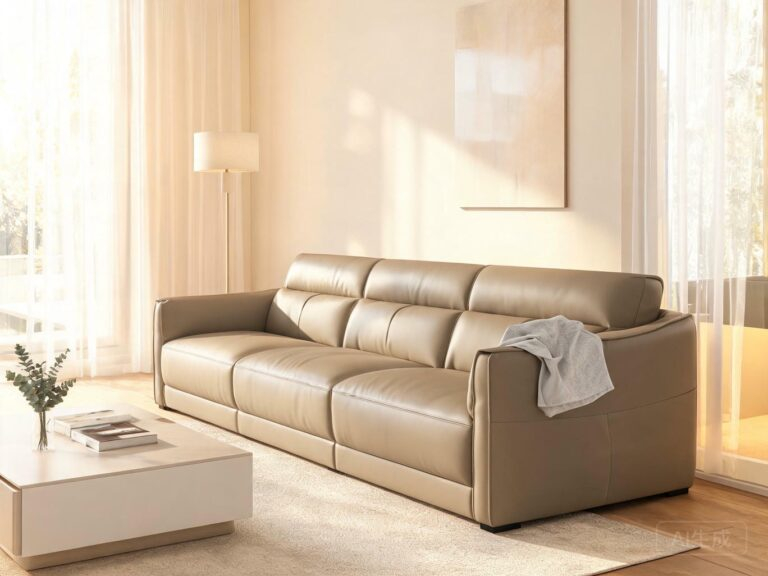
Off-white silicone leather repels water without any surface treatment—no conditioner needed
Can You Use Vegan Leather Conditioner on Silicone Materials?
Technically, you can apply water-based conditioner to silicone leather—it won’t cause damage. But it also won’t do anything. The silicone surface is chemically inert and non-absorbent. Any conditioner applied sits on the surface until wiped off with the next cleaning.
This is where our synthetic leather cleaner guide becomes valuable: it confirms that silicone leather’s cleaning protocol is simply “wipe with damp cloth.” No special products. No quarterly schedule. No UV protectant spray.
For facilities teams managing multiple properties, removing conditioner from the procurement list simplifies inventory and cuts labor hours. One client with 15 hotel properties eliminated 340 bottles of conditioner per year after switching to silicone leather upholstery. That’s not a marginal improvement—it’s a category elimination.

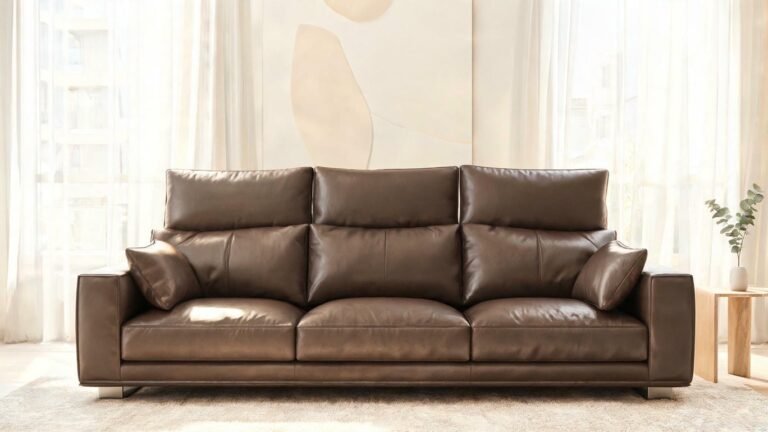
Synthetic leather care comparison—silicone leather requires only water and a cloth
Watch how silicone leather repels water and stains without any conditioner—just wipe and go
Making the Switch to Zero-Conditioner Materials
The procurement math is straightforward. If your project has a seven-year lifecycle target, PU vegan leather needs two to three replacements plus continuous conditioning. PVC is slightly better at four to five years per cycle. Silicone leather? One installation, zero conditioner, one simple cleaning protocol.
When you specify silicone leather, you’re not just choosing a material. You’re removing an entire maintenance supply chain from your operating budget. No conditioners to source, no application schedules to manage, no coating degradation to monitor. The question shifts from “which vegan leather conditioner is best?” to “why specify a material that needs one at all?”
Download Silicone Leather Care Guide
Frequently Asked Questions
Can I use regular leather conditioner on vegan leather?
No. Regular leather conditioners contain waxes and heavy oils designed to penetrate natural pores in animal hide. PU and PVC vegan leather have no pores—the oils sit on the surface, attract dust, and accelerate plasticizer breakdown. Use only water-based, pH-neutral products formulated specifically for synthetic materials—or specify silicone leather, which requires no conditioner at all.
Does silicone leather ever need conditioning?
Never. Silicone leather’s polymer structure is inherently flexible without plasticizers, UV-stable without protectants, and non-porous without surface treatments. A damp cloth is the only maintenance it needs for its 10+ year service life.
About TOPSUN
TOPSUN manufactures maintenance-free silicone leather that eliminates the need for vegan leather conditioner across furniture, automotive, and consumer goods applications where reduced lifecycle costs and coating integrity are non-negotiable.
ISO 10993-5 biocompatibility certified · Zero VOC emissions · 10+ year service life · 200,000+ Martindale abrasion cycles · Free A4 swatches shipped worldwide via DHL/FedEx