Walk into any material library and you’ll find hundreds of leather swatches. But tailored leather means something different than picking a color from a catalog—it means engineering a material specification from the substrate up. The brands that command premium positioning don’t decorate products with off-the-shelf materials. They design materials that only their products can use.
Here’s what gets missed in most customization conversations: tailored leather isn’t just about color or texture. It’s a four-layer specification process that determines how the material performs, ages, and feels for the entire product lifecycle. Skip a layer, and you’ve got a custom-looking material with stock-grade problems.
What Tailored Leather Really Means in B2B Customization
In B2B manufacturing, tailored leather refers to material that’s been specified—not just selected—for a particular product application. That means the color, texture, substrate, thickness, and performance profile are all engineered to meet defined requirements. The alternative is choosing from a supplier’s existing catalog: 12 standard colors, 5 textures, two thickness options. Functional, but invisible to the consumer.
The brands that invest in tailored material specs do it for three reasons: brand differentiation (exclusive textures and colors that competitors can’t replicate), application-specific performance (flame retardancy for transport, biocompatibility for medical, UV stability for outdoor), and supply chain control (owning the spec means owning the quality standard). For a deeper look at how custom production works in practice, see our custom leather production guide.

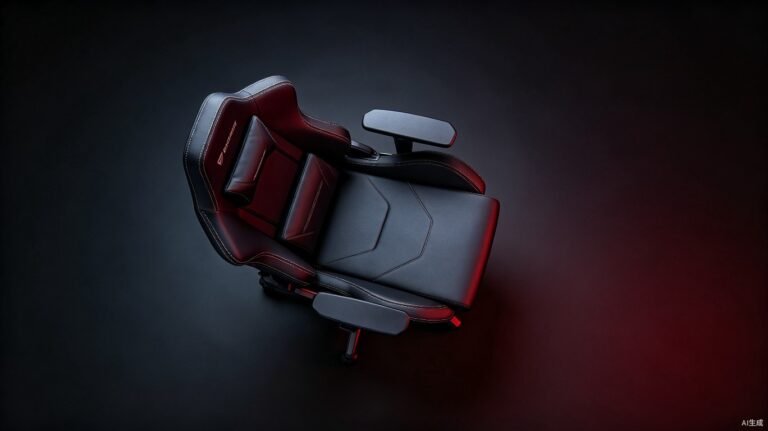
Custom-printed silicone leather demonstrating the design freedom of tailored material specification
The 4-Layer Tailored Leather Specification Process
Every tailored leather project moves through four specification layers. Skipping any layer creates gaps that show up as warranty claims, color drift between batches, or textures that flatten after months of use.
- Color specification. Beyond matching a Pantone or RAL reference, tailored leather requires a Delta E tolerance (≤1.0 for premium brands) and batch-to-batch consistency protocol. Without this, color drift accumulates across production runs until the material no longer matches the original sample.
- Texture engineering. Surface grain isn’t just aesthetic—it affects tactile feel, cleanability, and how light reflects off the surface. Custom embossing rollers create exclusive textures, but the pattern depth must be specified to survive abrasion without flattening.
- Substrate and thickness. The base fabric determines tensile strength, tear resistance, and drape. Tailored specifications let you match substrate weight to the product—lighter for wearables, heavier for furniture—rather than accepting a one-size-fits-all backing.
- Performance profile. Abrasion cycles, flex resistance, flame retardancy, UV stability, and chemical resistance. This is where tailored leather separates from catalog material—performance is specified to the application, not assumed from a generic spec sheet.
| Customization Layer | Standard Leather | Silicone Leather | Lead Time |
|---|---|---|---|
| Color | 12–20 standard | Unlimited, Delta E ≤1.0 | 3–5 days |
| Texture | 5–10 catalog | 100+ base, custom embossing | 7–10 days |
| Thickness | 0.8–1.5mm fixed | 0.23–2.0mm tailorable | Same batch |
| Performance | Generic specs | Application-specific | Per project |
Where Standard Leather Customization Hits Its Limits
Genuine leather customization runs into natural constraints. Animal hides have inherent thickness variation—you can specify 1.0mm, but the actual material ranges from 0.8 to 1.3mm across the hide. Color options are limited by what dyes and tanning processes can achieve. Custom embossing is possible, but the texture compresses and flattens over time because the underlying collagen matrix isn’t dimensionally stable.
PU leather offers more texture consistency, but the coating constrains what’s possible. Deep embossing patterns can crack the PU surface during flexing. Metallic and pearlescent finishes lose their luster within 1–2 years of UV exposure. The customization ceiling is real—and it’s set by the material chemistry, not the manufacturer’s capability.
One fashion brand asked us to replicate a deep geometric embossing pattern they’d developed on genuine leather. On PU, the pattern cracked at 20,000 flex cycles. On silicone leather, it survived 200,000 cycles with zero pattern distortion—the silicone coating holds embossing detail permanently because it doesn’t degrade.

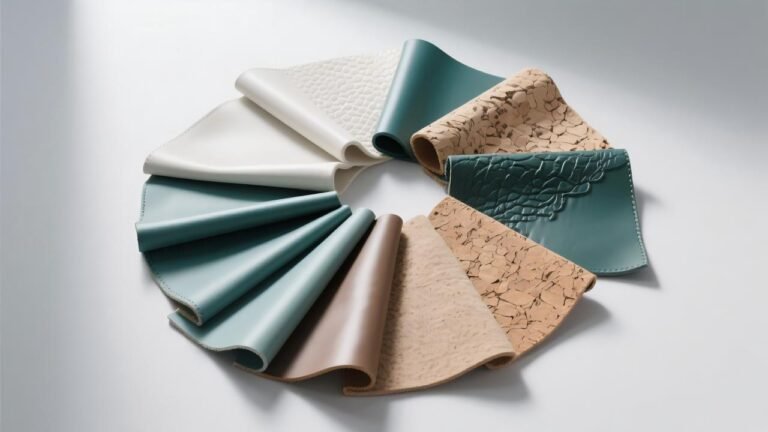
Mixed-color swatch rack with custom prints illustrating the breadth of tailored leather options
Silicone Leather: The Material That Takes Tailoring Further
Silicone leather removes the customization ceiling. The silicone coating is thermally stable from -40°C to 250°C, which means embossing patterns are permanently locked into the material—no flattening, no cracking, no texture drift. Color is infused into the silicone matrix rather than applied as a surface dye, so the color runs through the entire coating thickness. For fashion and sports applications, this means colors that stay true for 10+ years instead of fading by season three.
The practical advantages for design teams are specific:
- Thickness from 0.23mm (wearables, phone cases) to 2.0mm (furniture, automotive)—no material change needed across product lines
- Custom embossing rollers in 7–10 days versus 4–6 weeks for traditional leather tooling
- Metallic and pearlescent finishes that are UV-stable, not decorative-only
- 100+ base textures with infinite custom variations through embossing
The custom texture design process walks through how to brief a manufacturer for exclusive surface patterns.
For understanding our production capabilities, see our factory production overview.
Pattern customization overview: how tailored leather textures are engineered from concept to production

Custom color matching process—Pantone reference to finished tailored leather swatch
Frequently Asked Questions
How long does custom embossing tooling take for tailored leather?
For silicone leather, custom embossing rollers are ready in 7–10 days. Traditional leather embossing tooling typically takes 4–6 weeks because the tooling must account for hide thickness variation and substrate instability. The faster turnaround lets design teams iterate on texture prototypes within a single sprint.
What’s the minimum order quantity for tailored leather specifications?
For custom colors, the MOQ is typically 500 meters. For custom embossing textures, the MOQ may be higher depending on tooling costs. At TOPSUN, we offer free A4 swatches worldwide so design teams can evaluate material and color before committing to production volume. See our company profile for full capability details.
Tailor the Material, Not Just the Product
Off-the-shelf leather makes products that look like everyone else’s. Tailored leather creates products that can only exist under your brand. The specification process isn’t complicated, but it requires a manufacturer who can engineer at the material level—not just cut and sew from a catalog. Whether you’re developing an exclusive texture for a fashion line or specifying flame-retardant performance for transport seating, the four-layer process gives you control over every variable that matters.
About TOPSUN
TOPSUN develops tailored leather specifications for fashion, automotive, and furniture brands requiring custom textures, exclusive colors, and application-specific performance profiles. Our silicone leather platform delivers design freedom without the performance compromises that limit traditional and synthetic leather customization.
Custom embossing rollers in 7–10 days · Pantone/RAL matching with Delta E ≤1.0 · 100+ base textures · Thickness 0.23–2.0mm · Unlimited color options · Free A4 swatches shipped worldwide via DHL/FedEx