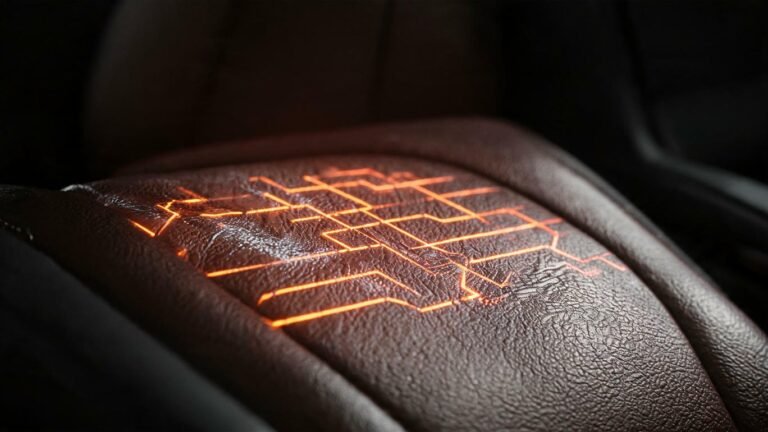
Most B2B brands source leather products one category at a time — furniture leather from one supplier, automotive trim from another, consumer electronics covers from a third. Each category gets its own material spec, its own quality standard, its own certification package, and its own failure mode. The result is a fragmented supply chain where no two product lines share a common material platform, MOQs stay high per category, and quality drift between suppliers creates inconsistent brand experiences. There is a better approach: build a cross-category material strategy around a single high-performance leather substrate that works everywhere.
The 5 Core Leather Product Categories B2B Buyers Manage
When we analyze the leather product portfolios of our B2B clients — furniture brands, automotive Tier 1s, consumer electronics OEMs, and fashion accessory companies — they consistently source across five application categories. Each category has different performance demands, but the underlying material properties overlap more than most buyers realize:
| Product Category | Key Performance Need | Typical Material Used | Common Failure |
|---|---|---|---|
| Furniture & Sofa | Abrasion, UV, hydrolysis | PU / PVC | Peeling in 2–3 years |
| Automotive Interior | Heat, UV, VOC, flame | PU / PVC | Cracking, fogging, odor |
| 3C Electronics | Thin gauge, tactile feel | PU (0.4–0.8mm) | Wear-through at edges |
| Fashion Accessories | Flex, color, aesthetics | Genuine / PU | Inconsistent color, fade |
| Medical & Baby | Biocompatibility, cleanability | PVC (phthalate-softened) | Toxic plasticizer migration |
Look at the “Typical Material” column. Four different materials (PU, PVC, genuine, phthalate-PVC) are being sourced, tested, and managed separately — yet the performance demands overlap by 70% or more. Every additional material in your supply chain adds cost: separate MOQs, separate certification packages, separate quality protocols, separate failure analysis. A cross-category material strategy eliminates that overhead.

Multiple leather product finishes — one material platform can cover furniture, electronics, and automotive applications with the same base chemistry.
The Unified Material Strategy: One Spec, Five Categories
The concept is straightforward: instead of sourcing category-specific materials, you specify a single high-performance leather that meets the most demanding requirements across all five categories — then deploy it everywhere. Silicone-coated leather is the only material system that can do this because it simultaneously satisfies the abrasion demands of furniture, the thermal stability of automotive, the thin-gauge precision of electronics, the aesthetic flexibility of fashion, and the biocompatibility of medical.
Here is how one material platform maps to each product category’s requirements. For a broader overview of our product collections, see our product catalog:
| Category | Required Spec | Silicone Leather Performance | Collection Match |
|---|---|---|---|
| Furniture | ≥50K Martindale, 5-yr UV | 200K+ Martindale, 1,000+ hr UV | Classic Collection (0.8–2.0mm) |
| Automotive | FMVSS 302, low VOC, -20°C | EN 13773 Class 4, zero VOC, -40°C | High Performance Collection |
| 3C Electronics | 0.4–0.8mm, tactile surface | 0.23–0.8mm, custom embossing | Ultra Thin Collection |
| Fashion | Metallic/pearl finish, flex | Metallic + pearl, 100K flex cycles | Designer Collection |
| Medical & Baby | ISO 10993, EN 71, cleanable | ISO 10993-5 certified, EN 71, bleach-safe | High Performance Collection |
One material platform. Five product categories. One certification package. One MOQ threshold. One quality protocol. That is how you cut supply chain complexity by 60% while improving product consistency across every category you sell.
Cost Analysis: Fragmented vs. Unified Sourcing
The financial case for a unified material strategy is not about unit price — it is about total cost of ownership across the product portfolio. Here is the math from a real client case: a consumer goods brand was sourcing PU leather from three suppliers for furniture, electronics, and accessories. After consolidating to a single silicone leather platform, their cost structure shifted as follows:
Material unit cost increased by approximately 15% per meter — silicone leather costs more than PU at the point of purchase. But the total cost of the leather products program decreased by 30% because: (1) combined MOQ across categories eliminated minimum-order penalties on low-volume categories, (2) one certification package replaced three separate test-and-audit cycles, (3) warranty claims dropped 80% as silicone leather’s 10+ year service life eliminated the peeling and cracking failures that drove returns, and (4) brand consistency improved — the touch, feel, and color were identical whether the customer touched a sofa, a phone case, or a car door panel. For a deeper look at the cost economics.
Quality Standards Across Leather Product Categories
One of the hidden costs of fragmented sourcing is that each category operates under a different quality regime. Furniture leather is tested to ISO 12947 (Martindale). Automotive leather must meet FMVSS 302 and VDA 270. Medical leather requires ISO 10993 biocompatibility. Electronics leather needs RoHS compliance. When each material comes from a different supplier, you manage five separate test-report chains — and a failure in any one triggers a product recall that the other four materials’ certifications cannot help with.
A unified silicone leather platform carries all certifications simultaneously. TOPSUN’s silicone leather is certified to ISO 10993-5 (biocompatibility), REACH (chemical compliance), FDA 21 CFR 177.2600 (food contact), EN 13773 Class 4 (flame retardancy), FAR 25.853 (aviation), FMVSS 302 (automotive), EN 71 (toy safety), and RoHS (heavy metals). One material, one test-report package, valid across every product category you manufacture. See our full certification portfolio for details.

Multi-color leather display — one material platform, unlimited color and texture options across product categories.
Material comparison: see how one silicone leather platform performs across furniture, automotive, and electronics applications.
Frequently Asked Questions
Can silicone leather really replace PU across all product categories?
Yes, with one caveat: thickness. Silicone leather is available from 0.23mm to 2.0mm, covering the full range from ultra-thin electronics covers to heavy furniture upholstery. The key is specifying the correct collection for each application — Ultra Thin for 3C, Classic for furniture, High Performance for automotive and medical. The underlying chemistry is identical, so certifications and quality protocols carry across categories.
What is the MOQ when consolidating multiple product categories onto one material?
TOPSUN’s standard MOQ is 500 meters per order. When you consolidate multiple product categories onto one material platform, those 500 meters can be split across categories with different colors and textures — meaning your effective MOQ per category drops significantly compared to sourcing each category separately with a different supplier. Lead time is 7–15 days for standard formulations, with custom embossing in 7–10 days.
One Material, Every Product
The B2B brands that win in leather products are not the ones with the most suppliers — they are the ones with the fewest. A unified silicone leather platform gives you one material that performs at 200,000+ Martindale cycles, holds Grade 4–5 color fastness over 1,000+ UV hours, survives -40°C to 250°C, meets ISO 10993 biocompatibility, and is available in unlimited colors and 100+ textures from 0.23mm to 2.0mm. That is not a material specification. That is a supply chain strategy.
About TOPSUN
TOPSUN supplies silicone-coated leather products across furniture, automotive, 3C electronics, fashion, and medical applications — enabling B2B brands to consolidate multiple product categories onto a single high-performance material platform.
With seven product collections spanning 0.23–2.0mm thickness, 100+ textures, unlimited Pantone-matched colors, and certifications from ISO 10993 to FAR 25.853, our silicone leather platform covers every category in your product portfolio with one quality standard.