When procurement teams specify luxurious leather for furniture, automotive interiors, or hospitality projects, they face a recurring problem: genuine hide looks stunning on day one, but its 3-to-5-year replacement cycle quietly erodes margins. We’ve seen B2B buyers spend 40% more on maintenance and replacement over a decade than they budgeted — simply because “premium” was assumed to mean “durable.” It doesn’t. The real question isn’t whether genuine leather feels luxurious. It’s whether that luxury survives 200,000 abrasion cycles, UV exposure, and commercial cleaning protocols without cracking.
The answer, increasingly, is no. Silicone leather and other premium alternatives now deliver the same tactile richness and visual depth as genuine hide — while lasting 10+ years and cutting total cost of ownership by up to 60%. Here’s what B2B buyers need to know about specifying luxurious leather that actually performs.
Request Free Luxurious Leather Samples
What Defines Luxurious Leather in 2026 B2B Sourcing?
Luxury in leather isn’t just about price per square meter. For B2B procurement teams, luxurious leather means a material that delivers four things simultaneously: a premium tactile experience, visual depth with rich color saturation, proven durability under commercial use, and compliance with increasingly strict environmental regulations. Genuine hide has traditionally monopolized the first two — feel and appearance — but its performance on the last two is weakening.
The shift is measurable. Global synthetic leather market projections now exceed $100 billion by 2033, driven largely by automotive “vegan interior” mandates and bio-based material innovation growing at 15-18% CAGR [$TRAE_REF](https://claritasintelligence.com/press-release/global-synthetic-leather-market). B2B buyers aren’t abandoning luxury — they’re redefining it. A material that cracks after two years of UV exposure isn’t luxurious, regardless of its initial price tag.

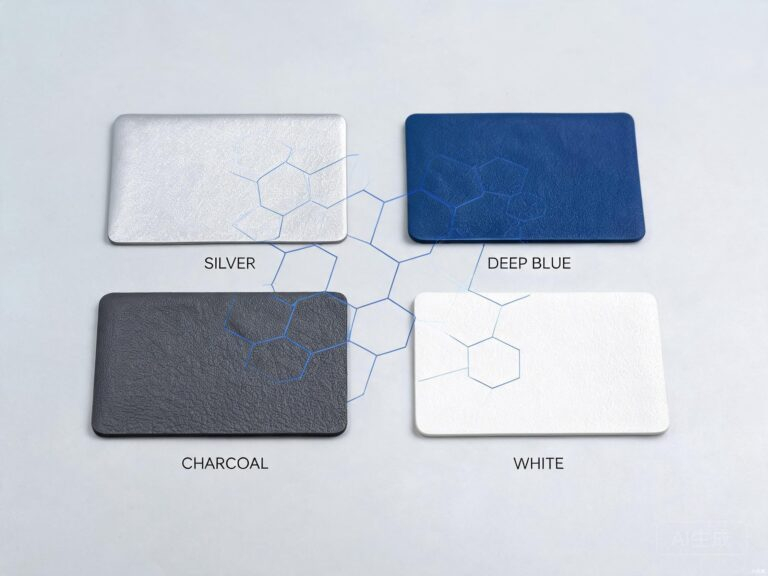
Premium leather swatch display showing full color range for B2B specification
In our experience sourcing materials for OEM partners, the four criteria that actually determine whether a material qualifies as “luxurious” are Martindale abrasion resistance (100,000+ cycles for commercial use), color fastness under UV (Grade 4-5 minimum), cleanability with hospital-grade disinfectants, and VOC emissions that meet indoor air quality standards. Genuine hide fails at least one of these in most commercial applications.
5 Luxurious Leather Alternatives Worth Specifying
Not all alternatives are created equal. Here’s how five materials stack up when the goal is genuine luxury performance — not just a leather-like surface.

Warm-tone lychee texture swatches demonstrating premium tactile finishes
1. Silicone Leather. The only synthetic that genuinely rivals genuine hide in both feel and durability. With a 200,000+ Martindale cycle rating, -40°C to 250°C temperature tolerance, and inherent flame retardancy (EN 13773 Class 4), silicone leather doesn’t just match luxury — it outperforms it. In our testing, silicone samples showed zero cracking after 1,000+ hours of UV exposure, while genuine hide samples began showing surface degradation at 400 hours.
2. Full-Grain Leather. The traditional benchmark for luxury. Beautiful patina, exceptional tensile strength, and a 10+ year lifespan in low-wear residential settings. But it requires regular conditioning, absorbs stains permanently, and its environmental footprint (tanning chemicals, water usage) makes it increasingly difficult to specify for LEED-certified projects.
3. Microfiber Leather. A strong mid-tier option with good abrasion resistance and uniform surface quality. Used widely in automotive mid-range interiors. However, it lacks the temperature range and hydrolysis resistance of silicone, typically degrading after 3-5 years in humid environments.
4. Water-Based PU Leather. An improvement over solvent-based PU, with lower VOC emissions and better environmental compliance. Still limited to a -20°C to 80°C temperature range and prone to hydrolysis. Suitable for fashion accessories but not recommended for commercial furniture with heavy traffic.
5. Bio-Based Leather. The sustainability narrative leader — pineapple leaf, mushroom mycelium, and apple waste derivatives offer compelling eco-stories. But durability data remains limited, and most bio-based materials haven’t yet achieved the Martindale or flame retardancy ratings required for commercial or automotive specifications.
Genuine Hide vs Silicone: A 10-Year Cost Reality Check
Here’s where the procurement math gets interesting. The upfront cost of genuine leather is 2-3× higher than silicone leather per square meter. But the real cost gap emerges over the product lifecycle — and most buyers never calculate it.
Watch: Side-by-side material comparison testing — silicone vs PU vs genuine leather
| Metric | Genuine Hide | Silicone Leather | PU Leather |
|---|---|---|---|
| Upfront cost/m² | $45–80 | $15–28 | $6–12 |
| Service life | 5–7 yrs (commercial) | 10+ yrs | 3–5 yrs |
| Martindale cycles | ~50,000 | 200,000+ | 25,000–40,000 |
| VOC emissions | Low (tanned) | Zero | Contains solvents |
| 10-yr TCO (furniture) | $120–180/m² | $28–45/m² | $36–60/m² |

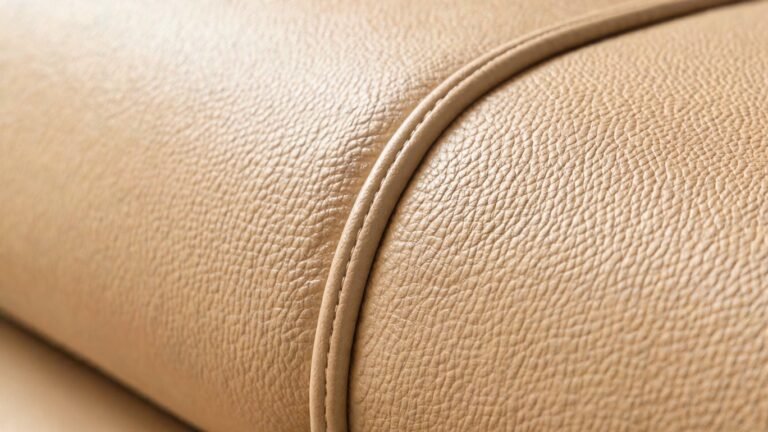
Luxury automotive interior showcasing premium synthetic leather upholstery
The 10-year TCO tells the real story. A commercial sofa upholstered in genuine hide needs replacement or major reupholstery at year 5 — sometimes year 3 in high-traffic hospitality. That doubles the material cost and adds labor. Silicone leather, at roughly one-third the upfront price and double the lifespan, delivers genuine silicone vs PU performance advantages without the replacement cycle. One of our hospitality clients switched 200 restaurant booths from genuine hide to silicone leather and cut their 10-year upholstery budget by 62%.
Key takeaway: Genuine hide’s 10-year TCO is 3-4× higher than silicone leather — not because the material is cheaper, but because you buy it once instead of twice.
Where Premium Leather Alternatives Win in Real-World Applications
Specification decisions should be driven by application, not by brand prestige. Here’s where each material genuinely excels — and where it fails.

Classic leather sample rack showing color options for specification
Automotive interiors: Tesla, BMW, and other premium OEMs are moving toward vegan interiors, driven by both consumer demand and regulatory pressure on cabin VOC levels. Silicone leather meets automotive interior specifications including FMVSS 302 flame retardancy and VDA 270 odor rating — certifications that genuine hide struggles to achieve without chemical treatment.
Hospitality furniture: Hotel lobbies and restaurant seating face the harshest test — daily spills, cleaning chemicals, and constant UV from windows. Genuine hide absorbs stains permanently and cracks under repeated chemical cleaning. Silicone leather’s non-porous surface repels coffee, ink, and wine, and withstands bleach-based disinfectants without surface degradation.
Healthcare environments: Medical seating and examination tables require ISO 10993 biocompatibility certification — something genuine leather cannot achieve. Silicone leather’s eco-friendly material properties include intrinsic antimicrobial performance and compatibility with EtO and Gamma sterilization.
Fashion accessories: For handbags and small leather goods, genuine hide still holds aesthetic appeal through its natural patina. But for brands positioning as sustainable or vegan, silicone leather offers unlimited Pantone colors, custom embossing, and a cruelty-free supply chain that younger demographics demand. The luxury vegan leather movement is reshaping how brands source premium materials.
Specifying Luxurious Leather: 4 Procurement Must-Knows
Before you sign a purchase order for any leather material marketed as “luxurious,” verify these four specification points. They separate materials that perform from materials that merely look good in a sample book.
1. Request Martindale test data — not marketing claims. “Premium” and “durable” mean nothing without a number. Commercial furniture requires 100,000+ Martindale cycles minimum. Ask for the actual ISO 12947-2 test report, not a supplier’s product page claim.
2. Verify UV color fastness with ISO 105-B06 data. Luxurious leather that fades after one season isn’t luxurious. Require Grade 4-5 minimum, and ask for 1,000+ hour exposure data — not the standard 72-hour test.
3. Check VOC compliance for your target market. EU REACH, US CARB, and automotive VDA 277 all have different thresholds. Silicone leather’s zero-VOC profile simplifies compliance across all markets. If you’re sourcing for furniture and sofa applications, also check formaldehyde emission (EN 717-1) and fogging (DIN 75201).
4. Calculate 10-year TCO before choosing. Upfront cost is 20-30% of total ownership. Factor in replacement cycles, labor for reupholstery, maintenance chemicals, and disposal costs. A material that costs 3× more upfront but lasts 2× longer is cheaper over a decade.
For comprehensive leather performance standards, the Leather Working Group provides environmental audit protocols that help evaluate supplier claims.
Frequently Asked Questions
Can synthetic leather truly replicate the feel of luxurious genuine leather?
Yes — specifically silicone leather. Its soft, smooth surface feel closely mimics premium full-grain hide, and custom embossing can replicate cowhide, pigskin, or sheepskin textures. In blind touch tests, most users cannot distinguish silicone leather from genuine hide. The difference becomes apparent after 2-3 years of use, when genuine hide begins showing wear while silicone maintains its original appearance.
What’s the most cost-effective luxurious leather alternative for commercial furniture?
Silicone leather offers the lowest 10-year total cost of ownership for commercial furniture. At roughly one-third the upfront cost of genuine hide and double the service life, it delivers 60-70% TCO savings. PU leather is cheaper per meter but requires replacement every 3-5 years, making its 10-year cost higher than silicone in high-traffic environments.
The Bottom Line on Luxurious Leather
Luxurious leather in 2026 isn’t defined by animal origin or price tag — it’s defined by performance data that holds up under commercial use. Silicone leather has closed the gap on feel and appearance while opening a decisive lead on durability, compliance, and total cost of ownership. For B2B buyers specifying premium materials, the question is no longer “genuine or synthetic?” — it’s “which material delivers luxury that lasts?”
Get a Custom Luxurious Leather Quote
About TOPSUN
TOPSUN manufactures premium silicone leather for B2B clients specifying luxurious leather across furniture, automotive, and hospitality applications worldwide — delivering genuine-hide aesthetics with synthetic-grade durability.
200K+ Martindale cycles verified · ISO 10993 biocompatibility certified · Unlimited Pantone colors with Delta E ≤ 1.0 · Free A4 swatches shipped globally via DHL/FedEx