Ordering imitation leather material without a structured inspection protocol is like buying a car without test-driving it. The rolls look fine on the outside—smooth surface, consistent color, appealing texture. But what happens when that same material starts delaminating at month 14, or fails a VOC emissions test that holds up your entire production run?
The global synthetic leather market is projected to reach $50.6 billion in 2026, growing at 12.5% CAGR. With PU holding 57% market share and automotive applications driving the fastest growth at 13.2%, procurement engineers face a crowded field of suppliers making similar performance claims. This guide gives you a 7-point inspection framework—rooted in ISO and ASTM testing standards—that separates specification-grade material from costly rejects.
What Is Imitation Leather Material? Types and Composition
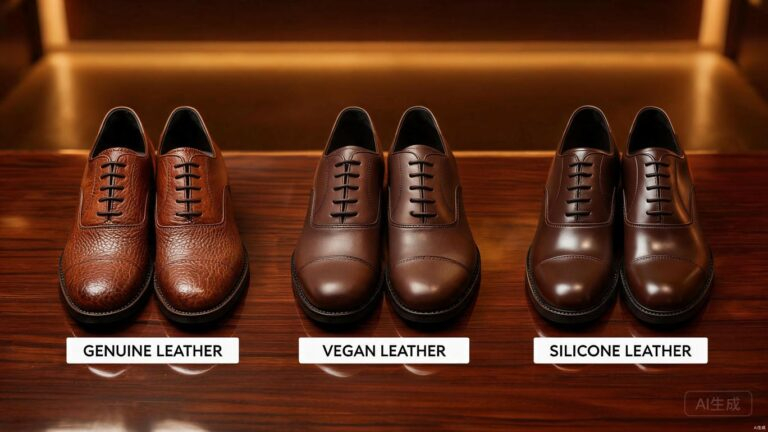
Imitation leather material refers to any synthetic substrate engineered to replicate the look and feel of genuine animal hide. The market divides into three dominant families, each with distinct manufacturing chemistry:
- PU (polyurethane) — A polyurethane coating applied to a woven or knitted fabric base. Dominant at 57% market share. Wet-process PU offers breathability; dry-process PU is cheaper but less durable. Solvent-based formulations remain common despite VOC concerns.
- PVC (polyvinyl chloride) — Vinyl paste coated onto fabric, plasticized with phthalates for flexibility. Lowest cost option, but facing regulatory pressure under REACH restrictions on phthalates and growing VOC emission limits.
- Silicone leather — 100% silicone polymer coated onto fabric substrate through a solvent-free process. No plasticizers, no plasticizer migration, no VOC emissions. Growing at 14.0% CAGR—above the overall synthetic leather market rate.
Each type delivers different performance under stress. The question isn’t which is “best” in the abstract—it’s which meets your application’s specific silicone composition requirements and testing thresholds. That brings us to the inspection protocol.

Abrasion resistance tester used to evaluate imitation leather material surface durability
The 7-Point Roll Inspection Protocol
Before you sign off on a volume order, walk your supplier’s QC lab—or request documented test results—for these seven parameters. Each maps to a specific failure mode that shows up months after installation, when warranty claims get expensive.
1. Thickness tolerance. Measure at 5 points across the roll width and every 3 meters along the length. Acceptable tolerance is ±0.05mm for precision applications, ±0.1mm for general use. Variations beyond this cause inconsistent die-cutting and visible surface irregularities in finished products.
2. Martindale abrasion resistance. Run the material through ISO 5470-2 Martindale testing. Furniture upholstery should survive 25,000+ cycles; automotive seating demands 40,000+; high-traffic public seating needs 60,000+. Anything below 15,000 cycles is unsuitable for commercial applications.
3. Peel strength. Coating-to-substrate adhesion determines whether your material delaminates under stress. Test per ISO 2411. Minimum acceptable: 15 N/cm for general use, 25 N/cm for automotive. In our testing lab, we’ve seen budget PVC samples fail at 8 N/cm after just 200 hours of accelerated aging.

Flexing endurance test machine evaluating imitation leather material crack resistance
4. Flexural endurance. Per ISO 7854, flex the material through 100,000+ cycles. Surface cracking at flex points is the #1 warranty complaint for seating applications. Silicone leather typically passes 200,000+ cycles without surface breakdown—PU varies wildly between 20,000 and 150,000 depending on formulation quality.
5. Hydrolysis resistance. Accelerate aging at 70°C and 95% relative humidity for 7–14 days. This simulates 3–5 years of tropical climate exposure. PU materials are particularly vulnerable—poor formulations show visible surface degradation within 7 days. Check whether your supplier offers hydrolysis-resistant material options if your products ship to humid markets.
6. VOC emissions. For automotive interiors, VDA 278 thermal desorption testing is mandatory. Furniture applications increasingly require compliance with indoor air quality standards. Silicone leather emits effectively zero VOCs due to its solvent-free manufacturing—PU and PVC results vary dramatically based on formulation and curing completeness.
7. Color fastness. Test dry and wet rubbing per ISO 11640, plus light fastness per ISO 105-B02. Grade 4 or higher (out of 5) is the minimum for commercial products. Premium applications demand Grade 5. Budget materials often fail wet rubbing at Grade 2—meaning color transfers onto clothing on contact.

Color fastness testing machine verifying imitation leather material dye stability
Imitation Leather Material Testing Standards You Must Know
When a supplier claims their imitation leather material “passes industry standards,” ask which ones. Vague claims aren’t good enough—here are the specific standards your specification sheet should reference:
| Test Parameter | Standard | Method | Pass Threshold |
|---|---|---|---|
| Abrasion | ISO 5470-2 | Martindale abrader | 25,000+ cycles |
| Flexing | ISO 7854 | Cycles to cracking | 100,000+ cycles |
| Color fastness | ISO 11640 | Dry/wet rubbing | Grade 4+ |
| VOC emissions | VDA 278 | Thermal desorption | <100 μg/g TVOC |
Additional standards worth referencing: ASTM D2097 for upholstery finish flex testing, ISO 12219-1 for vehicle interior air quality, and FMVSS 302 or EN 1021-1/2 for flame retardancy depending on your application and target market. For a comprehensive walkthrough of these protocols, our durability testing guide covers the full methodology.
Performance Trade-Offs: PU vs PVC vs Silicone
No single material wins every category. Understanding the trade-offs helps you match material to application:
PU offers the best cost-to-performance ratio for mid-range furniture and fashion accessories. It delivers acceptable abrasion resistance and aesthetic versatility. The trade-off: hydrolysis vulnerability and VOC emissions from solvent-based formulations. If your products face humid climates or automotive cabin air standards, PU creates compliance headaches.
PVC wins on raw cost—sometimes 40% cheaper than PU per square meter. But phthalate plasticizers face REACH restrictions, and the material becomes brittle at low temperatures. We’ve seen PVC marine upholstery crack after a single winter season in northern markets.

Durability testing comparison across imitation leather material types
Silicone leather sits at the premium end—higher upfront cost but superior performance across every metric that matters for long-term durability. It passes 200,000+ Martindale cycles, shows zero hydrolysis degradation, and emits effectively no VOCs. For applications where warranty claims and compliance documentation drive total cost of ownership, the math favors silicone. One furniture sofa manufacturer we work with reduced warranty claims by 73% after switching from PU to silicone leather on their premium line.
Side-by-side durability comparison: silicone leather vs traditional imitation leather material types

Closeup of PVC imitation leather material showing surface texture and coating structure
How to Specify Imitation Leather Material for Your Application
Your specification document should read like a technical contract, not a wish list. Here’s the minimum information to include when requesting quotes:
- Application environment — Indoor vs outdoor, temperature range, humidity exposure, UV exposure level. This determines which test thresholds apply.
- Performance targets — Minimum Martindale cycles, peel strength, flexing cycles, and hydrolysis duration. Reference the ISO/ASTM standard numbers explicitly.
- Regulatory requirements — Target markets (EU REACH, US CPSIA, California Prop 65), application-specific standards (FMVSS 302 for automotive, EN 1021 for furniture).
- Physical specs — Total thickness, coating thickness, fabric base weight, width, and roll length. Include tolerance for each.
- Color and texture — Pantone reference or physical swatch, embossing pattern, surface finish (matte/semi-gloss/gloss).
For deeper guidance on supplier evaluation workflows, our quality inspection guide covers the full audit process. The synthetic leather market analysis from Grand View Research also provides useful context on material type trends.
Frequently Asked Questions
How many Martindale cycles do I need for furniture upholstery?
Residential furniture typically requires 25,000 Martindale cycles minimum. Commercial furniture (hotels, restaurants, offices) should specify 40,000+ cycles. High-traffic public seating—airport terminals, theaters, mass transit—demands 60,000+ cycles. Always specify the ISO 5470-2 standard in your purchase order so the supplier uses the correct test method.
What’s the difference between hydrolysis-resistant PU and standard PU?
Hydrolysis-resistant PU uses modified polyurethane formulations with added stabilizers that slow down the chemical breakdown caused by moisture. It typically survives 10–14 days of accelerated aging (70°C/95% RH) versus 3–7 days for standard PU. However, it still contains solvents and plasticizers—silicone leather eliminates hydrolysis concern entirely because the silicone polymer is chemically inert and does not react with water.
Specification Over Assumption
The imitation leather material market offers more options than ever—but also more ways to get it wrong. A structured 7-point inspection protocol, grounded in ISO and ASTM testing standards, turns material selection from a guessing game into an engineering decision. Whether you choose PU, PVC, or silicone leather, the quality of your specification document determines the quality of your finished product.
Don’t accept verbal assurances. Request documented test reports. Validate with your own samples. And when a material passes all seven checks at thresholds that exceed your application requirements, you’ve found a supplier worth keeping.
About TOPSUN
TOPSUN produces specification-grade silicone leather for B2B buyers who require documented material performance. Every production batch undergoes Martindale abrasion, flexing endurance, peel strength, and color fastness verification in our in-house testing laboratory before shipment.
Lab capabilities: ISO 5470-2 Martindale abrasion testing · ISO 7854 flexing endurance · ISO 11640 color fastness · VDA 278 VOC analysis · Full traceability documentation per batch