What Sets Leather and Vinyl Apart?
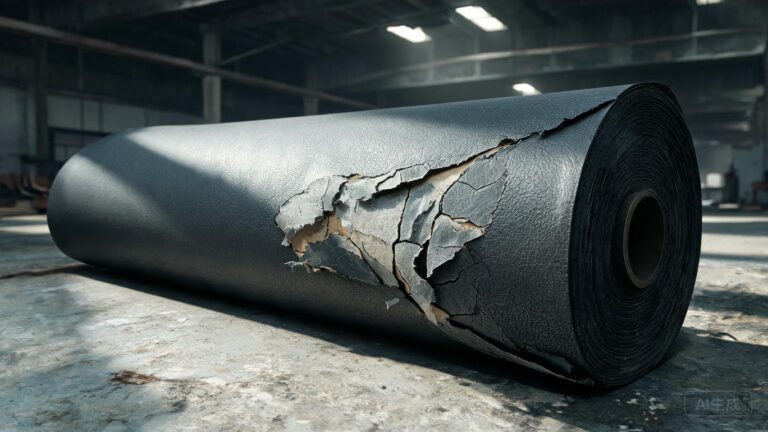
A furniture manufacturer we worked with switched from genuine leather to vinyl for their commercial seating line to cut costs. Within 18 months, they were fielding warranty claims for cracking, peeling, and customer complaints about chemical odors. The upfront savings evaporated — and the brand damage lasted far longer.
That experience gets to the heart of the leather and vinyl debate. These two materials sit at opposite ends of the upholstery spectrum, and understanding their fundamental differences determines whether your product line succeeds or generates callbacks. Genuine leather comes from animal hides processed through tanning, while vinyl is a synthetic material made from polyvinyl chloride (PVC) plasticized to mimic leather’s appearance. The gap between them touches every metric that matters to B2B buyers: durability, cost trajectory, maintenance burden, environmental footprint, and regulatory compliance.
In our testing lab, we’ve put both materials through accelerated wear cycles, UV exposure chambers, and chemical resistance panels. The results consistently show that the material choice at the specification stage ripples through the entire product lifecycle — from manufacturing scrap rates to end-user satisfaction scores to warranty reserve calculations.
Durability and Wear Performance
When buyers ask about leather vs vinyl durability comparison, they’re usually thinking in terms of years of service. The answer reveals a sharp divergence in how these materials age.
Genuine leather develops a patina — a softening and darkening that many consider desirable. Full-grain leather can last 15 to 25 years in commercial settings with proper care. Top-grain leather, the next grade down, offers 10 to 15 years. The hide’s fibrous structure flexes repeatedly without cracking, which is why luxury automotive interiors and high-end furniture still specify it.
Vinyl tells a different story. PVC-based materials typically last 3 to 7 years before showing visible degradation. The plasticizers that make vinyl flexible gradually migrate to the surface and evaporate, leaving the material brittle. This process — called plasticizer migration — is irreversible. Once vinyl stiffens, flexing causes micro-cracks that spread rapidly across the surface.

Scratch resistance testing equipment used to evaluate surface durability of leather and vinyl materials
In our Taber abrasion testing, genuine leather typically withstands 500+ cycles before surface breakdown, while standard vinyl begins showing wear at 200 to 300 cycles. The difference becomes even more pronounced under UV exposure — vinyl yellows and cracks within 1,000 hours of accelerated weathering, whereas quality leather maintains structural integrity well past 2,000 hours.
Cost Analysis: Leather & Vinyl Total Cost
The leather vs vinyl cost analysis rarely favors vinyl once you look beyond the invoice price. Vinyl’s initial cost runs 40 to 60 percent below genuine leather per yard, which makes it attractive for budget-conscious projects. But total cost of ownership tells a more complete story.
Consider a commercial furniture program with 500 seating units over a 10-year period:
- Vinyl option: Lower upfront cost ($15-25/yard), but replacement needed every 4-5 years = 2-3 full reupholstery cycles, plus labor, plus downtime
- Leather option: Higher upfront cost ($40-80/yard), but 15+ year lifespan with proper maintenance = one installation, ongoing conditioning only
- Silicone leather option: Mid-range upfront cost, 10+ year lifespan with minimal maintenance, no plasticizer migration or cracking
When you factor in replacement labor, product disruption, and warranty claim processing, vinyl’s apparent savings shrink dramatically. One hospitality client shared that their switch from vinyl to a higher-grade material reduced annual maintenance tickets by 62 percent — a number that directly improved their bottom line beyond the material cost difference.

Side-by-side comparison of synthetic and genuine leather surface textures and quality indicators
Maintenance and Cleaning Requirements
Maintenance is where the leather and vinyl maintenance guide diverges most practically for facility managers and end users. Each material demands a fundamentally different care regimen.
Vinyl wins on simplicity. A wipe with mild soap and water handles most spills. The non-porous PVC surface resists staining and doesn’t absorb liquids, making it popular in healthcare and food service settings where sanitation is paramount. However, vinyl cannot be restored once damaged — scratches, tears, and UV damage are permanent. Harsh chemical cleaners accelerate plasticizer loss, shortening the material’s already limited lifespan.
Genuine leather requires more attention but rewards it with longevity. Regular conditioning every 6 to 12 months maintains suppleness and prevents cracking. Spills need immediate attention because the porous surface absorbs liquids. Specialized pH-balanced cleaners preserve the natural oils. The trade-off: leather can be refinished, re-dyed, and repaired — extending its serviceable life well beyond what vinyl can achieve.
For B2B buyers specifying materials for high-traffic commercial environments, the maintenance equation should include staff training costs, cleaning supply inventory, and the frequency of professional restoration services. A material that needs less frequent but more specialized care may cost less over its lifetime than one requiring constant attention with consumer-grade products.

Material swatch rack displaying color and texture options for upholstery specification
Environmental and Health Considerations
The leather vs vinyl environmental impact conversation has shifted significantly as regulations tighten and buyers face sustainability mandates from their own customers. Both materials carry baggage, but the nature of that baggage differs considerably.
Vinyl production relies on PVC, which requires phthalate plasticizers to achieve flexibility. Multiple phthalate compounds — including DEHP, DBP, and BBP — face restrictions under EU REACH regulations and US CPSIA standards. When vinyl degrades in landfills, it does not decompose and can release dioxins into surrounding soil and water. The production process itself is energy-intensive and petroleum-dependent.
Genuine leather carries different concerns. Tanning processes, particularly chrome tanning, generate wastewater containing heavy metals and chemical residues. However, leather is a byproduct of the meat industry — using hides reduces waste. Properly tanned leather biodegrades over decades, and vegetable-tanned variants offer a more circular end-of-life profile.

Visual comparison of faux leather and genuine leather properties for procurement decision-making
Neither material offers a clean environmental story. This is precisely why many B2B specifiers are looking beyond both options — toward materials that eliminate the trade-offs entirely.
Why Silicone Leather Resolves the Leather & Vinyl Dilemma
After years of testing both materials and hearing the same frustrations from buyers, we developed silicone leather specifically to bridge the gap. The result is a material that combines leather’s tactile appeal and longevity with vinyl’s cleanability — without the drawbacks of either.
Silicone leather uses a silicone-based coating on a fabric substrate, eliminating PVC, phthalates, and plasticizer migration entirely. In our testing, it achieves:
- Taber abrasion resistance exceeding 500 cycles, matching genuine leather performance
- Zero VOC emissions verified by third-party testing — no off-gassing, no chemical odor complaints
- Non-porous surface that cleans with soap and water like vinyl, but without plasticizer loss
- UV stability far exceeding both leather and vinyl — no yellowing or cracking after 2,000+ hours of accelerated weathering
- Full compliance with REACH, CPSIA, and RoHS requirements for global supply chains
For buyers weighing silicone vs PU and other synthetics, the key differentiator is stability. Silicone doesn’t degrade through plasticizer migration, doesn’t emit VOCs, and doesn’t require the chemical-heavy tanning process that genuine leather demands. It’s the one material that performs well across every dimension where leather and vinyl each fall short.
| Property | Genuine Leather | Vinyl (PVC) | Silicone Leather |
|---|---|---|---|
| Service Life | 15-25 years | 3-7 years | 10+ years |
| VOC Emissions | Low (tanned) | Moderate-High | Zero |
| Cleanability | Moderate (porous) | Easy (non-porous) | Easy (non-porous) |
| Chemical Safety | Tanning residues | Phthalates, PVC | No plasticizers |
| Cost Range/yard | $40-80 | $15-25 | $30-50 |
| UV Resistance | Good | Poor | Excellent |
Comparison data based on TOPSUN laboratory testing and industry benchmarks. Actual performance varies by grade and formulation.
Is vinyl safer than leather for upholstery?
Vinyl is non-porous and easy to sanitize, which gives it an advantage in clinical settings where surface disinfection is critical. However, “safe” extends beyond cleanability. Vinyl contains phthalate plasticizers — several of which are restricted under REACH and CPSIA regulations. These compounds can migrate out of the material over time, particularly in warm environments. Genuine leather carries different risks, including residual tanning chemicals. If safety is your top priority, eco-friendly silicone leather eliminates both phthalates and tanning residues while maintaining a non-porous, sanitizable surface.
Can silicone leather replace both leather and vinyl?
Yes, in most upholstery applications. Silicone leather matches genuine leather’s abrasion resistance and tactile quality while exceeding vinyl’s cleanability and UV stability. For furniture sofa applications, automotive interiors, healthcare seating, and hospitality environments, it eliminates the need to choose between leather’s performance and vinyl’s practicality. The main consideration is upfront cost — silicone leather sits between the two, but its 10+ year lifespan with minimal maintenance delivers a lower total cost of ownership than either alternative.
Want to see the different types of leather in detail? Our silicone vs PU vs PVC comparison breaks down the technical specifications across all major synthetic and natural material categories.
About TOPSUN
TOPSUN engineers silicone leather that bridges the gap between natural leather’s premium feel and synthetic material’s practicality — no PVC, no phthalates, no compromise. Our materials deliver Taber abrasion resistance exceeding 500 cycles, zero-VOC emissions verified by third-party testing, and full REACH/CPSIA compliance for global B2B supply chains. We serve furniture manufacturers, automotive OEMs, healthcare facilities, and hospitality brands across 30+ countries with custom formulations tailored to each application’s performance requirements.
Every roll we produce goes through a multi-stage quality protocol: raw material verification, in-line coating thickness monitoring, post-cure abrasion and flex testing, and color fastness validation under standardized UV exposure. This ensures that the material arriving at your facility performs identically to the samples you approved — batch after batch, year after year.
Choosing between leather and vinyl doesn’t have to mean accepting the shortcomings of either. Request our sample kit today and run your own side-by-side comparison — abrasion, chemical resistance, cleanability, and tactile feel. See for yourself why B2B buyers are making silicone leather their default specification.
Material comparison overview: see how silicone leather performs against traditional leather and vinyl.