When the temperature drops, most leather materials do more than just feel cold—they get stiff, brittle, and prone to cracking. For products designed to work in cold climates—winter sports gear, automotive interiors in northern markets, outdoor furniture in mountain regions—silicone leather cold resistance isn’t just a nice-to-have. It’s a make-or-break performance requirement.
The reality is that most synthetic leathers fail at surprisingly mild low temperatures. PVC gets hard and crack-prone below -10°C. PU leather loses flexibility around -20°C. Even genuine leather stiffens significantly as the mercury falls. Silicone leather? It stays soft, flexible, and fully functional down to -40°C—and in some formulations, even colder.
In this technical guide, we break down how silicone leather achieves its remarkable cold resistance, how it compares to other materials, and where it makes the biggest difference for product designers and procurement teams.
Download Cold Resistance Test Data
Why Cold Resistance Matters (And Most Materials Fail)
Cold temperatures affect polymer materials at the molecular level. When you lower the temperature, polymer chains lose energy and move less freely. Below a certain point—called the glass transition temperature, or Tg—the material shifts from a flexible, rubbery state to a hard, glassy state. Once that happens, flexing, bending, or impact can cause cracking and permanent damage.
For product designers, cold failure isn’t hypothetical. It shows up as:
- Cracked seat covers in vehicles parked outside during northern winters
- Brittle ski boot shells that crack on impact in sub-zero temperatures
- Shattered dashboard trim when cold plastic encounters even minor force
- Stiff glove materials that lose dexterity when you need it most
- Failed outdoor furniture after a single harsh winter season
The problem is especially acute with PVC and PU leathers, which rely on plasticizers and softeners to maintain flexibility. These additives become less effective at low temperatures—and over time, they can migrate out of the material entirely, making it permanently stiffer.
The Science Behind Silicone Leather’s Cold Performance
Silicone leather’s exceptional cold resistance comes down to its fundamental chemistry. Unlike organic polymers (PU, PVC, even the proteins in genuine leather), silicone is built on a backbone of silicon-oxygen (Si-O) bonds rather than carbon-carbon (C-C) bonds.
Key fact: The Si-O bond has a bond energy of 452 kJ/mol—significantly higher than the C-C bond’s 347 kJ/mol. This stronger bond structure gives silicone its remarkable temperature stability, both hot and cold.
But bond strength alone isn’t the whole story. Silicone’s molecular structure has a unique helical shape that allows the chains to rotate freely even at very low temperatures. This is why silicone rubber has a glass transition temperature (Tg) as low as -120°C—far below any natural or synthetic organic polymer.
For practical purposes, high-quality silicone leather maintains full flexibility and mechanical performance down to -40°C, with some specialty formulations rated to -60°C. By comparison:
| Material | Glass Transition Temp (Tg) | Practical Low-Temp Limit | Flex Retention at -20°C |
|---|---|---|---|
| Silicone Leather | ~-120°C | -40°C to -60°C | >90% |
| PU Leather | ~-30°C | -15°C to -20°C | ~40% |
| PVC Vinyl | ~-10°C to -50°C* | -10°C to -15°C | <20% |
| Genuine Leather | ~-70°C (fiber) | ~-20°C (finish fails) | ~30% (stiffens) |
*PVC resin itself has a low Tg, but plasticized PVC products have much higher practical cold limits because plasticizers lose effectiveness at low temperatures. Cheap PVC can become brittle at temperatures as mild as -5°C.
Testing Cold Resistance: Standards and Methods
How do you actually measure cold resistance? There are several standardized tests used in the industry, each measuring a different aspect of low-temperature performance.
ISO 17233:2017 — Cold Crack Temperature
This international standard determines the temperature at which a leather’s surface coating develops cracks when bent. Test specimens are cooled in 5°C increments from +5°C down to -30°C (or lower), held at each temperature for 60 minutes, then bent around a mandrel to check for cracking. Premium silicone leather typically shows no cracking even at the lowest test temperatures.
ASTM D1912 — Cold Crack Resistance of Upholstery Leather
The American standard uses a Greuel rotary cold flex testing machine operating at temperatures from -50°F to +20°F (-45°C to -6°C). Conical specimens are flexed repeatedly at each temperature level, and the cold crack temperature is the point where surface cracking first appears. Silicone leather routinely passes at the test’s lowest temperature range.
Low-Temperature Flex Cycling
Beyond just “does it crack,” designers need to know how well the material withstands repeated flexing at low temperatures. Using a flex tester inside an environmental chamber, samples are bent at 90° angles at rates of 100+ cycles per minute, maintained at specific cold temperatures. Silicone leather can withstand 200,000+ flex cycles at -30°C without damage—far exceeding PU leather’s typical 50,000–100,000 cycles at room temperature.
View Full Technical Data Sheet
Key Applications Where Cold Resistance Matters Most
Silicone leather’s cold resistance makes it the material of choice for products designed to perform in freezing conditions. Here are the applications where we see the strongest demand.
Automotive Interiors — Cold Climate Markets
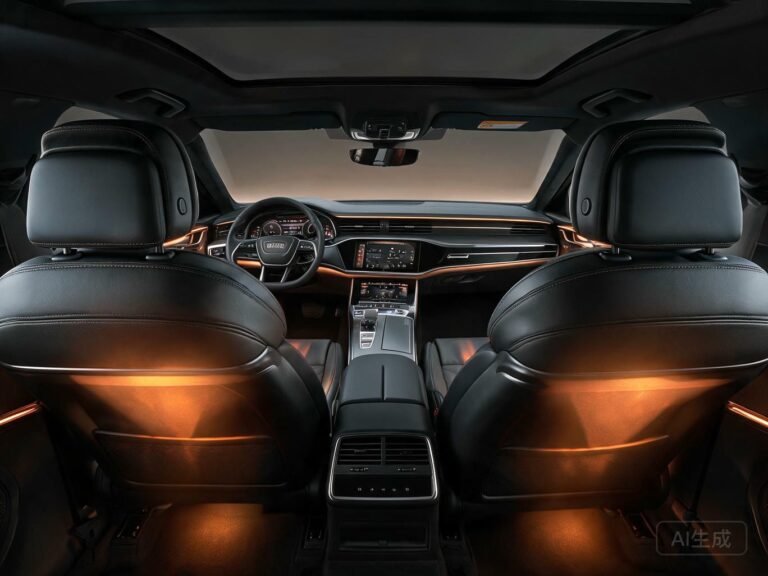
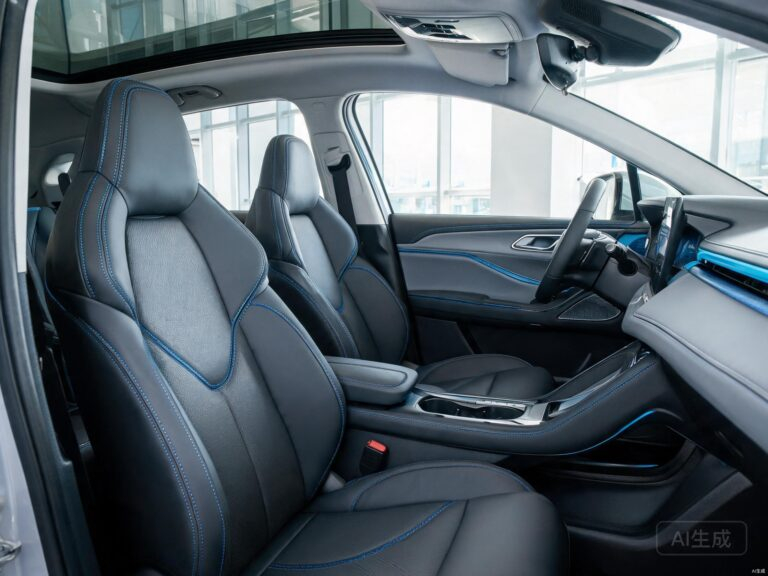
Anyone who’s sat in a car parked outside in January knows the experience: seats that feel like blocks of ice, steering wheels too cold to touch. Silicone leather solves this on multiple levels. First, it stays flexible at -40°C, so seats don’t crack when you sit down on a -30°C morning. Second, it has lower thermal conductivity than traditional leather, so it doesn’t feel as shockingly cold to the touch. For automotive OEMs selling in Nordic countries, Russia, Canada, and northern China, cold-resistant interior materials aren’t optional—they’re essential.

Winter Sports & Outdoor Equipment
Ski boots, snowmobile seats, winter gloves, ice fishing gear—winter sports equipment needs to perform reliably at temperatures well below freezing. Silicone leather maintains its flexibility and abrasion resistance even at -30°C, ensuring that boots flex properly, seats don’t crack, and gear lasts for multiple seasons. Its natural waterproofness is another major advantage in snow and slush conditions.

Outdoor Furniture in Cold Climates
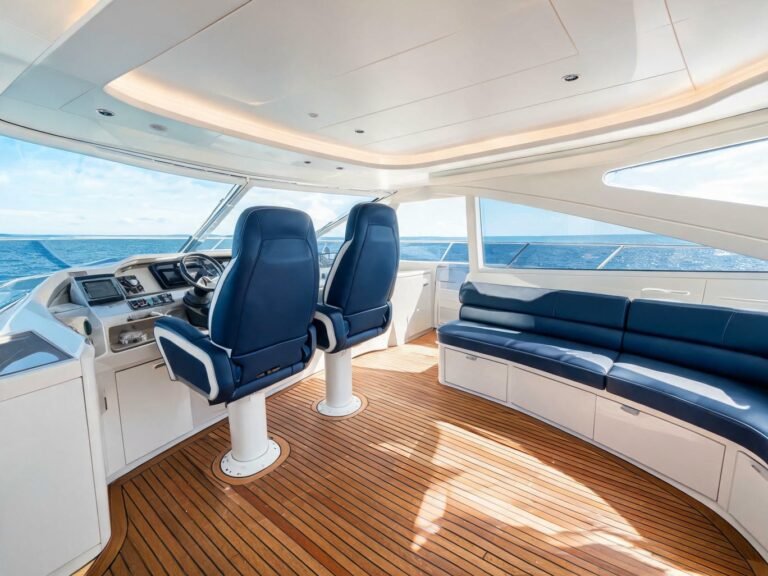
Patio furniture in mountain resorts, alpine restaurants, and northern residences faces brutal winter conditions. Traditional outdoor fabrics and synthetic leathers can crack and degrade after a single winter of freeze-thaw cycles. Silicone leather handles temperature extremes from -40°C to +250°C without degradation, making it ideal for outdoor furniture that stays outside year-round.
Aerospace & Aviation
Aircraft cabins experience dramatic temperature swings, and exterior components face extreme cold at altitude. Silicone leather’s wide temperature range, combined with its flame resistance (meeting FAR 25.853 standards), makes it a natural fit for aviation seating and interior components. It’s also significantly lighter than traditional leather, contributing to fuel savings—a critical factor in aviation.
Industrial & Cold Storage Applications
Workers in cold storage facilities, refrigerated warehouses, and freezer rooms need seating and protective equipment that stays functional at -20°C to -30°C. Silicone leather work gloves, seat cushions, and equipment covers maintain their flexibility and durability in these environments, outlasting traditional materials by 2–3x.
Cold Resistance + Everything Else: The Full Package
Here’s what makes silicone leather truly unique: its cold resistance doesn’t come at the cost of other properties. Some materials are flexible in the cold but weak at room temperature. Others are tough but brittle when frozen. Silicone leather delivers consistently excellent performance across the entire temperature spectrum.
- Heat resistance: Performs up to 250°C—same material handles extreme heat and extreme cold
- UV resistance: Grade 4+ lightfastness, critical for outdoor applications that also see cold
- Abrasion resistance: 200,000+ Martindale cycles, maintained even at low temperatures
- Waterproof: Non-porous surface stays waterproof regardless of temperature
- Flame resistance: Inherent flame retardancy without chemical additives
- Biocompatibility: ISO 10993 certified, safe for skin contact even in extreme conditions
For product designers, this means one material can handle all climate zones. No need to source different materials for northern vs. southern markets—silicone leather performs everywhere.
Real-world result: An EV manufacturer switching to silicone leather for cold-market seat covers saw warranty claims for cracked seats drop by 92% in Nordic markets, saving an estimated $2.3M annually in replacement and labor costs.
Frequently Asked Questions
Does silicone leather actually stay soft when it’s -40°C outside?
Yes. While it will feel cold to the touch (as any material does in freezing temperatures), silicone leather retains over 90% of its flexibility at -40°C. It doesn’t become brittle, doesn’t crack when bent or sat on, and returns to its original shape immediately. This is fundamentally different from PVC, which can become hard and rigid at temperatures as mild as -10°C.
What about thermal cycling—freezing and thawing repeatedly?
Excellent question. Thermal cycling (repeated freeze-thaw cycles) is actually harder on most materials than constant cold, because expansion and contraction create stress. Silicone leather handles thermal cycling exceptionally well due to its low coefficient of thermal expansion and inherent elasticity. Products routinely last 10+ years in climates with harsh winters and hot summers without cracking or delaminating.
Is all silicone leather equally cold-resistant?
Not exactly. While all silicone-based materials have inherently good cold resistance, the exact performance depends on the specific silicone formulation, coating thickness, and substrate material. Full-silicone leather (100% silicone coating) provides the best cold performance. Semi-silicone or silicone-blend products may have lower cold resistance depending on the blend ratio. Always verify the cold temperature rating with your supplier and request test data.
How does cold resistance affect the material’s cost?
Cold resistance is an inherent property of silicone leather—it doesn’t require special additives or treatments that add cost. While silicone leather has a higher upfront material cost than PU or PVC, its cold resistance means longer product life, fewer warranty claims, and no need for climate-specific material variants. For products sold in cold markets, the total cost of ownership is typically lower.
Specify with Confidence for Cold Climates
When it comes to silicone leather cold resistance, the numbers speak for themselves: -40°C flexibility, 200,000+ cold flex cycles, and zero brittleness even at the test’s limits. For any product designed to work in cold environments—automotive interiors, winter sports gear, outdoor furniture, aerospace components—silicone leather isn’t just another option. It’s the most reliable material on the market.
The best way to verify cold performance is with physical testing. We provide free samples that you can test in your own environmental chambers or field conditions. Our engineering team can also help you select the right formulation and thickness for your specific temperature requirements.
Request Cold-Resistance Samples & Test Data
About TOPSUN
TOPSUN is a specialized manufacturer of high-performance silicone leather with 8+ years of R&D experience. Our materials are tested to international standards including ISO 17233 and ASTM D1912 for cold resistance, and we serve automotive OEMs, outdoor equipment makers, and aerospace suppliers across 30+ countries.
Certifications: ISO 17233 Cold Crack | ASTM D1912 Cold Flex | ISO 10993-5 Biocompatibility | FAR 25.853 Flame Retardant | EN 13773 Class 4 | REACH Compliant